
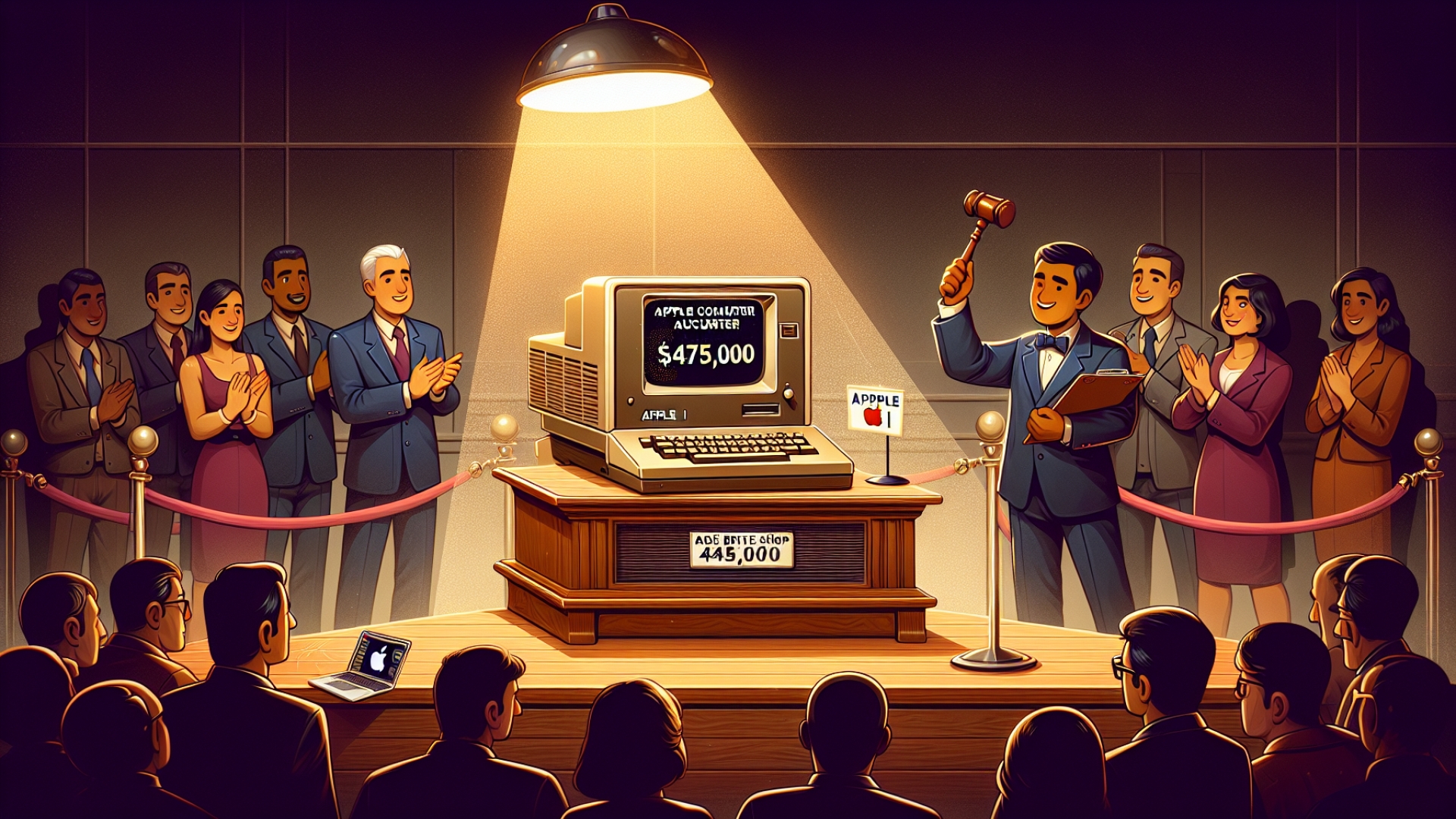
In a recent auction, a relic of computing history — an original Apple I computer — commanded an astonishing $475,000. This wasn’t just any vintage hardware; it was a rare “Byte Shop” edition, one of only 50 units originally commissioned with a distinctive wooden case. While the Apple I began as a bare circuit board for tech enthusiasts to customize, this particular model, with its unique enclosure, marks a pivotal moment in Apple’s nascent years. Its exclusivity is striking: today, a mere nine of these 50 Byte Shop units are known to survive.
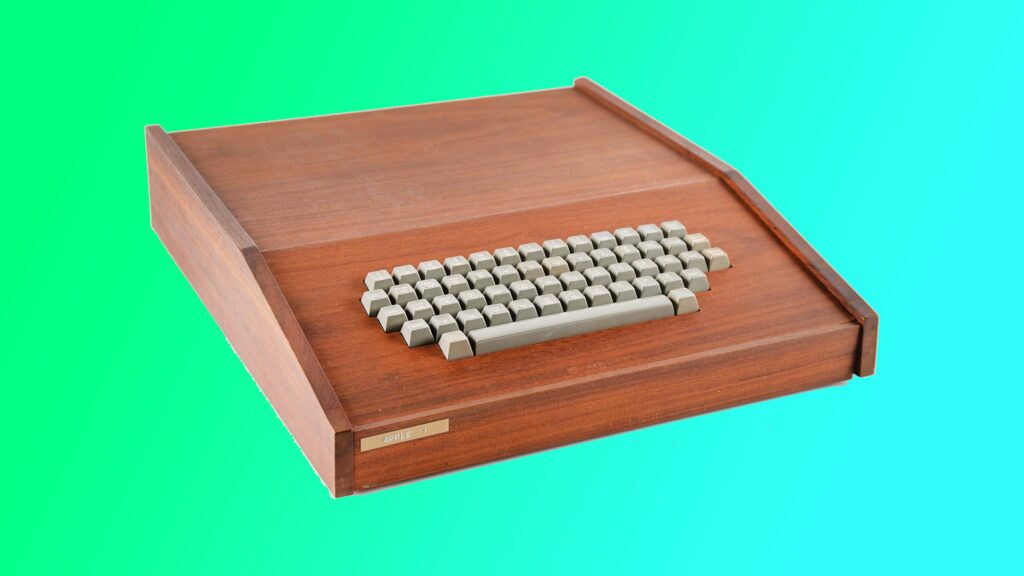
Its extraordinary value is further underscored by the fact that only approximately 200 Apple I computers were ever produced in total, cementing this specific unit’s place in an incredibly exclusive niche. This, coupled with its remarkable condition and full operational status, undoubtedly drove its substantial auction price, highlighting its enduring appeal to collectors and tech historians alike.
The Byte Shop Deal: Where Apple’s Story Truly Began
At its core, the Apple I represents the visionary collaboration and groundbreaking ingenuity of Steve Jobs and Steve Wozniak. These “Byte Shop” machines aren’t just artifacts; they are widely recognized as the crucial turning point that transformed Apple Computer from a passionate hobbyist endeavor into a formidable, viable company. In 1976, Jobs and Wozniak were primarily selling a handful of bare circuit boards directly to fellow tech enthusiasts. The narrative, however, dramatically shifted when Jobs took a bold step, approaching Paul Terrell at the Byte Shop in Mountain View, California – one of the pioneering personal computer retailers of its time.
Terrell’s offer was substantial: 50 Apple I machines, but with a pivotal stipulation – they needed to be fully assembled and encased. While Jobs and Wozniak are famously said to have personally assembled all 200 original Apple I units, the Byte Shop order was ultimately delivered as bare boards. Yet, Terrell, recognizing the inherent potential, accepted the delivery and subsequently commissioned the iconic wooden cases, elevating them far beyond typical hobbyist enclosures. This initial bulk order for 50 computers was nothing short of foundational for launching Apple into the commercial sphere. As Steve Wozniak profoundly reflected on the event, “That was the biggest single episode in all of the company’s history. Nothing in subsequent years was so great and so unexpected.”
Looking at the Byte Shop Apple I today, it stands as a truly remarkable artifact of technological evolution. The instantly recognizable case and keyboard were a visionary step towards the modern personal computer, and it’s fascinating how the fundamental design of keyboards has persisted for nearly 50 years. A modern enthusiast could easily be inspired to craft a retro homebrew PC that pays homage to this pioneering aesthetic. Yet, when we consider its raw specifications – a maximum of 8K of onboard memory and a 1 MHz CPU – it’s clear this early marvel was never destined for the demands of modern gaming or complex software, underscoring the incredible leaps in hardware we’ve witnessed.
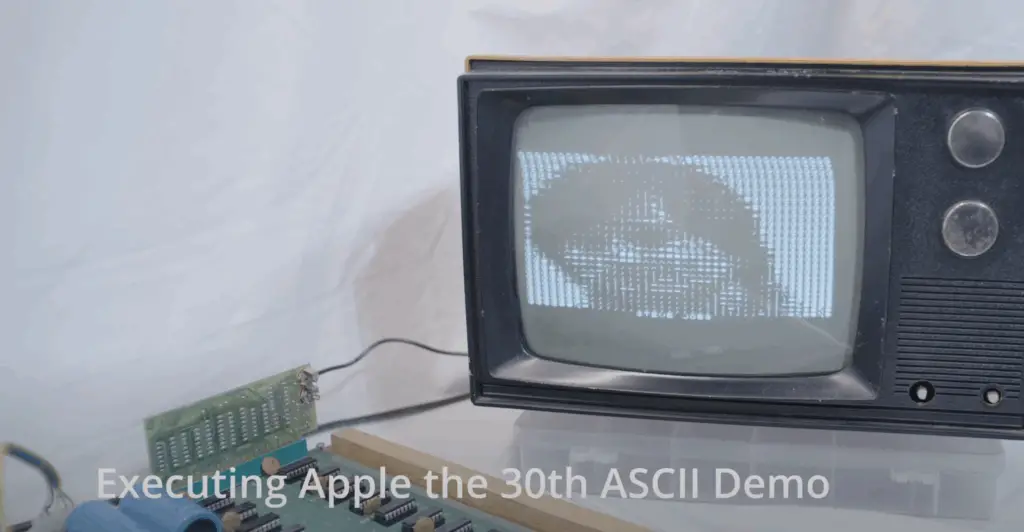
Despite its humble specifications by today’s standards, witnessing ASCII art images of Wozniak and Jobs materialize line-by-line on the Apple I‘s monochrome screen is undeniably captivating. In a unique way, it can feel more profound than even the most cutting-edge ray-traced graphics, reminding us of computing’s pure essence. This experience evokes a powerful sense of nostalgia, especially for those who fondly recall the era of the Apple II Plus and the nascent dawn of personal computing. For us at Digital Tech Explorer, it’s a powerful reminder of how far technology has come and the timeless innovation that continues to drive our digital world. This story, brought to you by TechTalesLeo, illustrates that understanding our tech past is crucial for navigating its future.