
In the high-stakes world of semiconductor manufacturing, where advancements dictate the future of computing, an exciting new development is unfolding. While industry titan TSMC pushes forward with its cutting-edge 2nm fabrication technology, a formidable new contender has stepped onto the global stage. Japanese startup Rapidus has unveiled initial details of its own advanced 2nm process, positioning itself not just as a competitor to TSMC, but potentially even a superior alternative to both TSMC’s N2 and Intel’s anticipated 18A architecture. This influx of genuine competition could be a game-changer for the entire tech sector, promising profound impacts on innovation, efficiency, and ultimately, consumer pricing – a topic we at Digital Tech Explorer always keep a keen eye on.
Technical Comparison: Rapidus 2HP vs. TSMC N2 Density
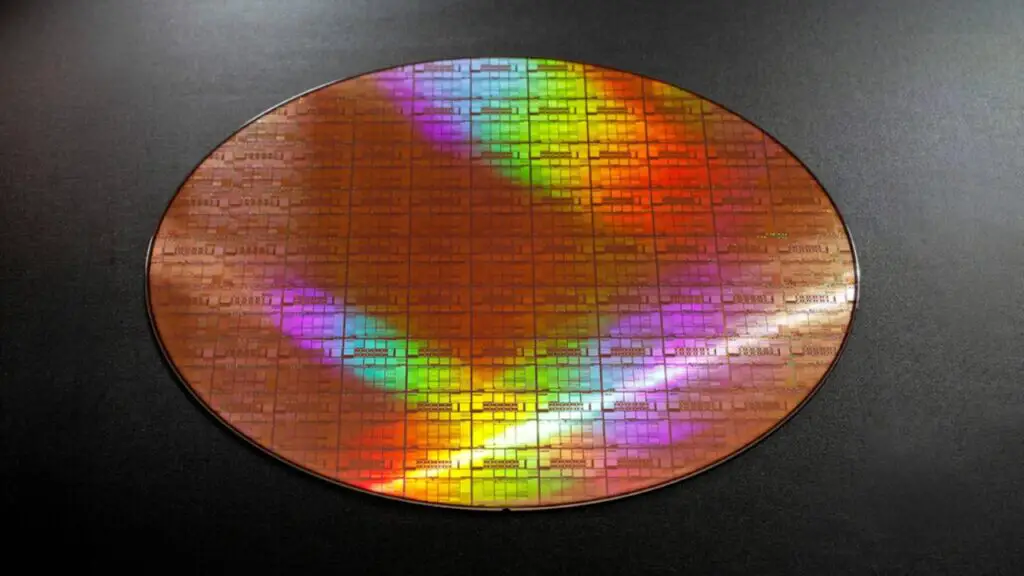
The new fabrication process from Rapidus, dubbed 2HP, has entered the fray with impressive specifications. It reportedly boasts a peak transistor density of 237.31 million transistors per square millimeter (MTr/mm²). This metric puts it slightly ahead of TSMC’s highly anticipated N2 process, which is rated at 236.17 MTr/mm². As seasoned tech enthusiasts know, these figures typically represent high-density (HD) cell libraries—the building blocks for specific logic gates. The actual integration level of a complete chip will naturally be lower due to other essential components, such as SRAM memory. While chip density metrics can vary based on measurement methodologies, the crucial point is Rapidus’s emergence as a genuinely competitive force. Even if 2HP doesn’t surpass TSMC across every benchmark, its mere presence as a credible alternative marks a pivotal shift. This is particularly relevant when we consider that many flagship GPUs from industry leaders are still navigating the transition to TSMC’s N3-based technologies, highlighting the ambitious leap Rapidus is attempting.
Intel’s 18A Node: Performance Focus Over Raw Density
Shifting focus, Intel’s 18A architecture is projected to reach an integration level of approximately 185 MTr/mm², which, on paper, positions it behind both Rapidus and TSMC in terms of raw transistor count. However, Intel’s strategic vision for 18A prioritizes performance and power efficiency above sheer density. A cornerstone of this approach is the introduction of backside power delivery (BSPDN), a groundbreaking innovation engineered to dramatically improve performance-per-watt. Although BSPDN might impact overall transistor packing, its potential for substantial enhancements in power efficiency and computational speed is considerable. Tech enthusiasts and developers can anticipate their first look at Intel’s 18A with the debut of the Panther Lake laptop chip, which is reportedly slated for a late-year release, promising a new era for portable computing and gaming.
Understanding the intricate production timelines for these advanced semiconductor processes is crucial for grasping the intensely competitive environment. TSMC’s N2 process is slated for mass production this year; however, consumer products featuring this cutting-edge silicon aren’t expected to hit the market until 2026, with devices like Apple’s iPhone 17 likely to stick with the established N3 architecture. This strategic window provides a significant opportunity for the Rapidus 2HP process, which is targeting high-volume manufacturing in 2027, potentially entering the market at an opportune moment to make a substantial impact. While it’s improbable that major GPU developers like AMD or Nvidia would immediately commit their flagship graphics card lineups to an entirely new, unproven fabrication process, a more cautious approach might see them experimenting with lower-end models built on Rapidus 2HP. As TechTalesLeo often explores, such strategic maneuvers ripple across the industry. Even if widespread adoption takes several years, the very existence of a viable, high-performance alternative will inevitably pressure TSMC’s pricing structures well in advance. This competitive dynamic is excellent news for us tech enthusiasts and could ultimately lead to more favorable graphics card prices for everyone, helping our Digital Tech Explorer community make smarter upgrade decisions.