
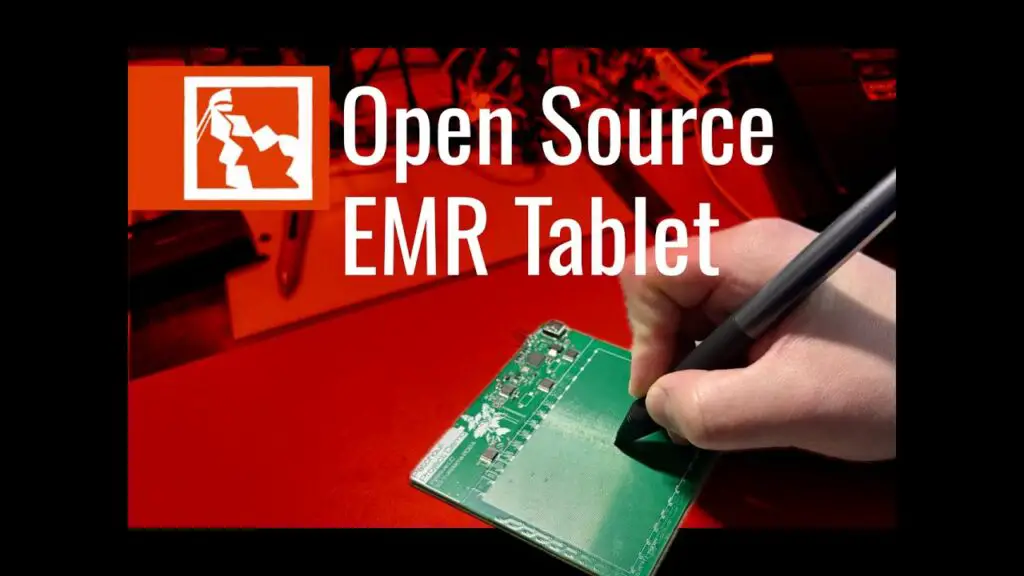
At Digital Tech Explorer, we believe in empowering our readers to understand the intricate workings behind the technology they use daily. Today, TechTalesLeo brings you a captivating look into Project Patchouli, an ambitious open-source initiative that offers a unique opportunity for developers and tech enthusiasts alike to build their very own EMR tablet from scratch. This project, spearheaded by designer Yukidama, provides an unparalleled deep dive into Electromagnetic Resonance (EMR) technology, an essential component of modern drawing tablets.
As Yukidama’s insightful YouTube video illustrates, EMR technology enables a seamless connection between a digital pen and the tablet. The pen transmits signals via electromagnetic resonance, which the tablet then translates into on-screen actions. While renowned for its quick and responsive input, EMR compatibility can vary due to different frequencies used by pen vendors. Project Patchouli aims to demystify and overcome these challenges, offering a robust solution for custom hardware projects.
Understanding EMR Technology: The Core of Digital Drawing
Delving deeper into EMR technology reveals a fascinating interplay of physics and engineering. Electromagnetic pencils are ingeniously designed with coils and capacitors near their tips. When in proximity to the tablet, a test board within the device detects the unique frequency emitted by the pen. This signal is then amplified and relayed to a computer for processing.
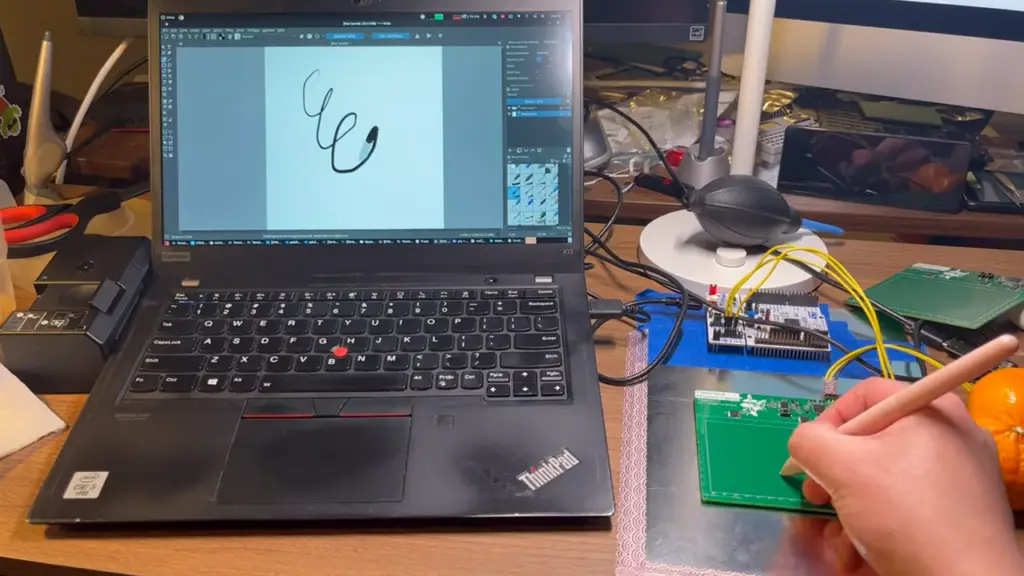
Yukidama demonstrates with an oscilloscope how varying pressures from a pen, or indeed different pens altogether, register distinct frequencies. Project Patchouli ingeniously tackles potential compatibility issues by integrating a smart array of coils directly into the tablet’s design. This innovative approach ensures broad compatibility with most commercial pens, delivering an ultra-low-latency input experience critical for any custom hardware endeavor.
Your Hands-On Journey: Building an EMR Tablet with Project Patchouli
For those eager to enhance their coding skills and dive into hardware development, Project Patchouli provides all the necessary resources. Despite the inherent complexity of building such a device, the complete firmware and hardware designs are readily available through the project’s GitLab source. This comprehensive platform includes helpful graphs and additional visual aids in the ‘docs’ section to guide you through the process.
It’s important to note that the majority of the hardware blueprints are provided as CAD files. This means that for most aspiring builders, these files will require professional production by a dedicated circuit board manufacturer. This isn’t a simple weekend project, but a significant undertaking that promises a profound educational experience and a truly custom piece of technology.
Navigating Challenges and Fostering Community Innovation
Undertaking a project of this magnitude, particularly one involving specialized PCB fabrication, presents its share of challenges. Recognizing this, Yukidama is committed to continuously improving the documentation, aiming to make the project more accessible to builders of all experience levels. At Digital Tech Explorer, we often highlight the power of community in digital innovation, and Project Patchouli exemplifies this.
Support and collaboration thrive within the dedicated Project Patchouli Discord community. Here, members can ask specific questions, share insights, and contribute to shaping future guides and resources. This collaborative environment is invaluable for bridging the gap between complex technology and practical application, fostering a collective spirit of invention among tech enthusiasts.
Project Patchouli: A Testament to Open-Source Hardware and Educational Empowerment
While Project Patchouli may not directly replace advanced commercial drawing tablets with their tilt control and high-pressure sensitivity, it stands as a powerful proof of concept. Its open-source nature means the underlying technology is freely available for exploration, adaptation, and further innovation by the global tech community.
Engaging with this project offers more than just a potential solution for overcoming pen compatibility issues. It delivers a profound educational experience, offering unparalleled insight into the sophisticated engineering that powers everyday drawing tablets. This initiative aligns perfectly with Digital Tech Explorer’s mission to help developers and tech enthusiasts stay ahead of trends and enhance their skills. It encourages a deeper appreciation for hardware design and empowers individuals to understand, build, and even improve their own digital tools. For anyone passionate about DIY tech and understanding the ‘how’ behind digital innovation, Project Patchouli is an exciting journey worth exploring.