
For many tech enthusiasts and hobbyists, the world of Warhammer can seem dauntingly expensive at first glance. However, as we at Digital Tech Explorer love to uncover, ingenuity often paves the way to accessibility. Most impressive armies you encounter at local wargaming clubs are often built with smart strategies, far below official retail prices. Building your miniature forces doesn’t have to break the bank; there are numerous clever approaches. These range from sourcing through third-party retailers and mail-order discounters to navigating vibrant secondhand markets like Facebook Marketplace. Crucially, 3D printing offers a cutting-edge technological avenue for model creation, alongside classic methods like splitting boxed sets with friends, or even crafting models yourself. This vibrant spirit of DIY innovation is the bedrock of the Poorhammer community, a truly inspiring hub for cost-effective, creative wargaming that aligns perfectly with our mission to explore practical tech solutions.
Ingenious DIY Projects and Community Acceptance
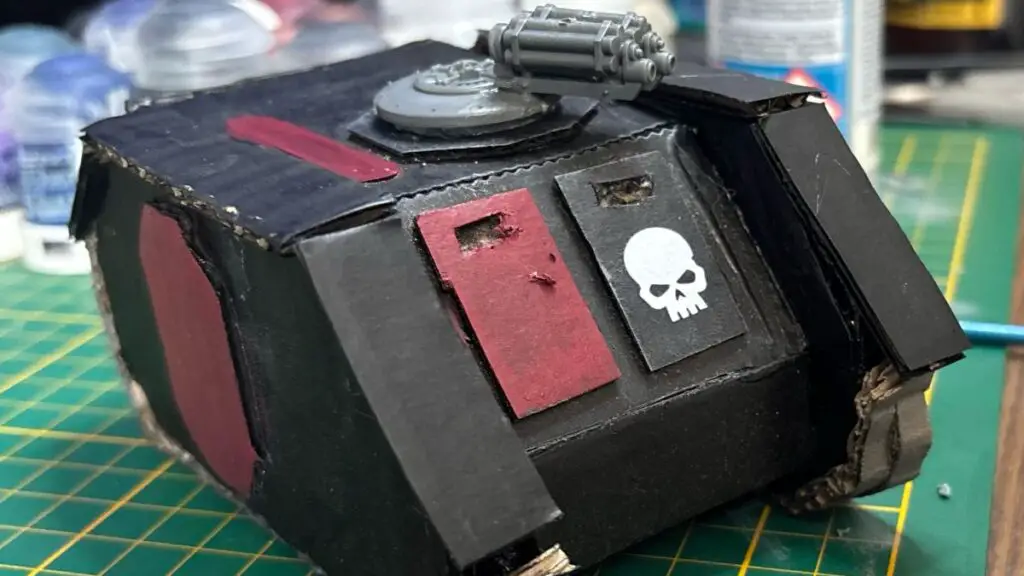
Delving deeper into the Poorhammer community, the sheer ingenuity on display is truly remarkable – a testament to how creative problem-solving can transform humble materials. Consider the inspiring tale of an Ork submarine, meticulously crafted from everyday items like cardboard, salvaged rubbish, and even a Pringles can forming its core. This approach is particularly effective for factions such as the Orks, whose inherent junkyard aesthetic, or the mutated forms of a Chaos army, naturally lend themselves to being modeled from repurposed leftovers. Similarly, creating impressive terrain provides another prime opportunity for recycling. A classic Warhammer hill can emerge from layers of packing styrofoam, while discarded miniature sprues – those plastic frames models come on – can be ingeniously cut and glued to form excellent brick and plank walls or rubble, affectionately termed “spruins“ by the community.
It’s a fascinating bit of tech history for wargamers: Even Games Workshop, the creator of Warhammer, once championed this spirit of creative modeling. Veteran enthusiasts may fondly recall *White Dwarf* magazine providing templates for projects like a cardboard Baneblade tank or featuring a grav tank ingeniously fashioned from an old deodorant stick. This ethos of resourcefulness isn’t just a relic of the past; the official Warhammer Community website continues to offer guides, such as how to construct your own unit fillers to expand regiments economically. While professional tournament players might adhere strictly to official models, the welcoming nature of the casual gaming scene is a key part of the hobby’s appeal. At most local clubs, your carefully crafted proxies and ‘counts as’ substitutions will likely be met with appreciation rather than objection, fostering a truly inclusive environment for all skill levels.
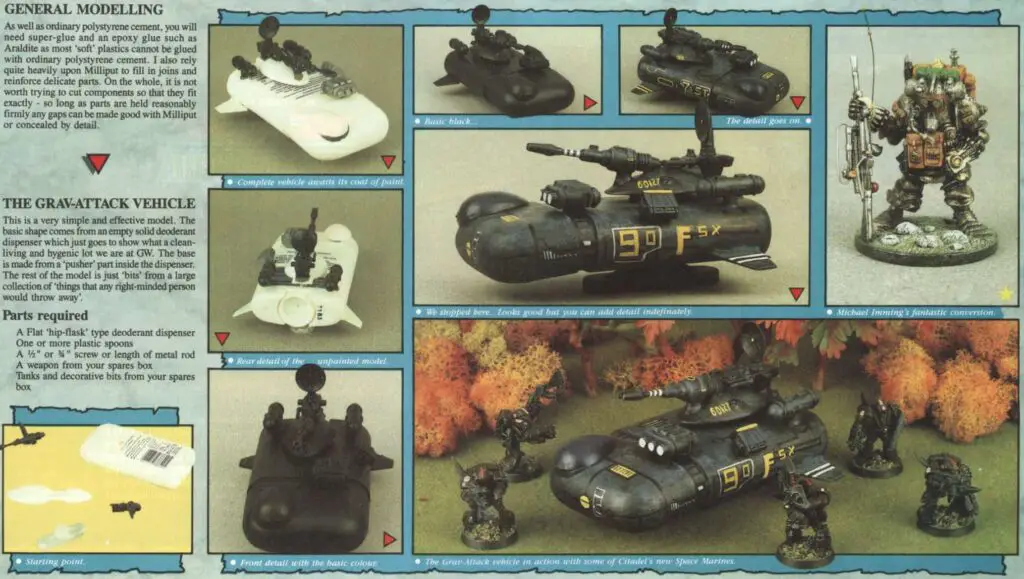
Beyond dedicated communities like Poorhammer, other platforms have also advocated for smart, budget-conscious wargaming. The now-archived Hipsterhammer blog, for example, once offered fantastic insights into substituting affordable miniatures from other manufacturers – a classic example being adding spikes to historical Viking models to field a fearsome Chaos army. Fundamentally, Games Workshop itself promotes Warhammer not merely as a game, but as a deep, engaging hobby. The immersive satisfaction derived from assembly, intricate painting, and innovative kit-bashing your unique army is truly as significant as the strategic gameplay on the tabletop. Poorhammer and similar DIY projects are the purest embodiment of this cherished hobbyist spirit, empowering players to not only save money but also to significantly enhance their creative and technical skills. As Digital Tech Explorer consistently highlights, innovation can be found everywhere. With just an old deodorant stick and a few spare parts, anyone can indeed craft a grav tank and dive headfirst into this immensely rewarding and imaginative world, proving that true passion knows no budget.