
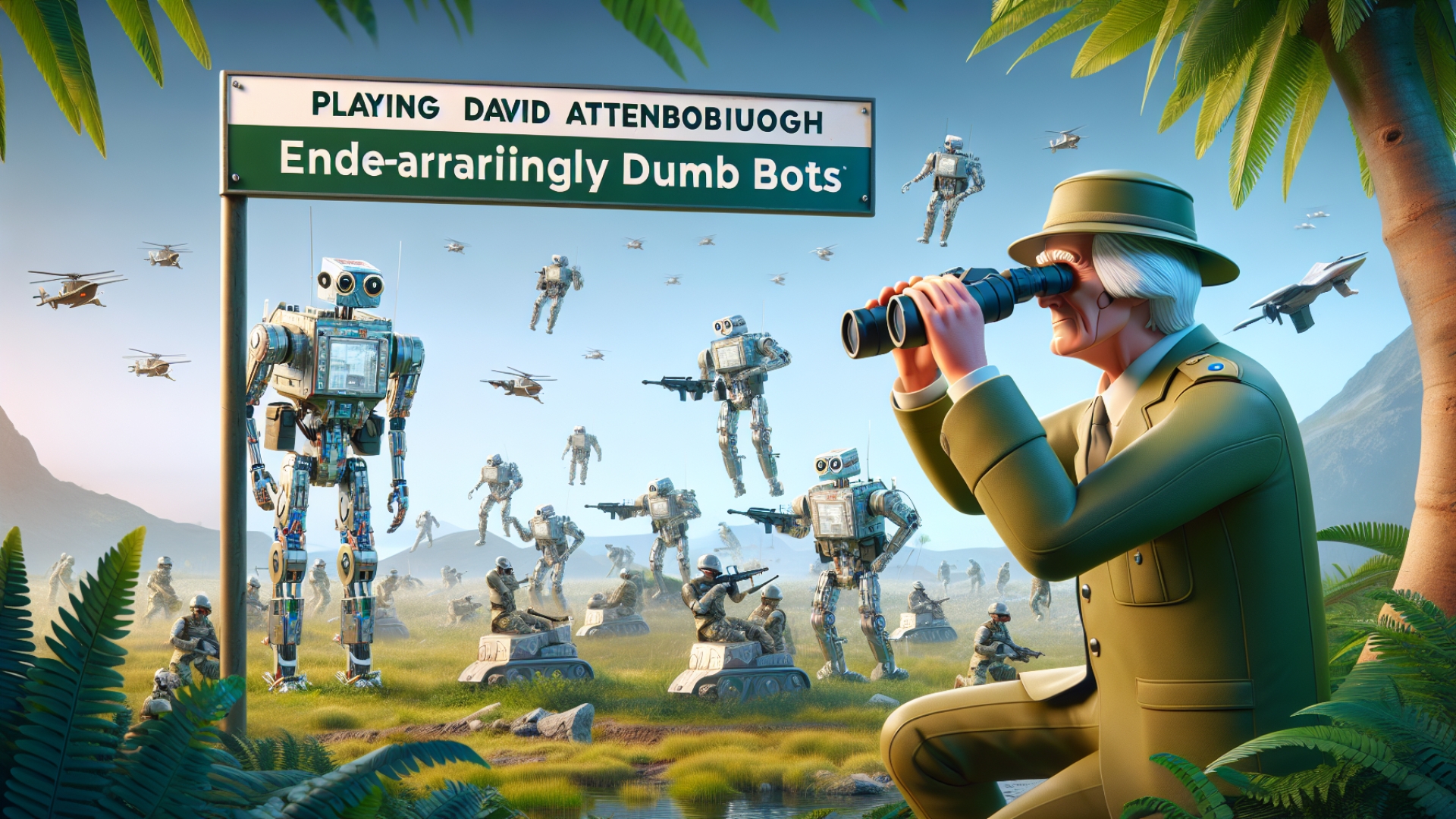
As a tech enthusiast and storyteller for Digital Tech Explorer, I, TechTalesLeo, recently had the unique opportunity to delve into the early access build of Battlefield 6. While engaging with content creators and fellow journalists was certainly a highlight, some of my most memorable moments came from unexpected encounters with the game’s AI-controlled bots. Far from merely serving as easy targets, these bots presented a fascinating, almost comically inept, display of artificial intelligence. This early access period offered a rare glimpse into their operational quirks, a phenomenon that players are unlikely to witness in its full glory once Battlefield 6 officially launches and servers are consistently populated by human players (outside of the Portal mode, of course).
Observing AI Combat Inefficiency in Battlefield 6
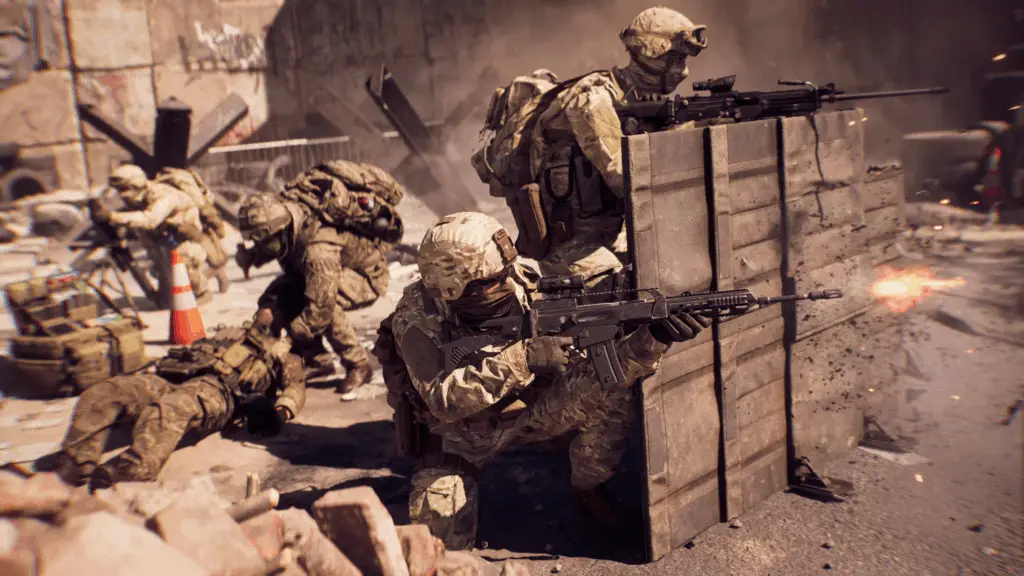
In line with expectations for AI opponents in a multiplayer shooter, these bots often served as little more than cannon fodder. Their tactical prowess was, to put it mildly, underdeveloped; they rarely utilized cover effectively or displayed any semblance of self-preservation. This often led to scenarios where I could confidently engage a group of bots, empty an entire magazine, reload in the open, and then resume my assault on their comrades without significant challenge. One particularly striking instance involved enemy bots casually walking past me, utterly oblivious to my presence, even as I was momentarily AFK. Such behaviors underscore a basic, almost comical, level of AI engagement that is both entertaining and insightful for those interested in game development.
Peculiarities and Unwavering Loyalty of Battlefield 6 Bots
The bots’ inefficiencies, however, were just the beginning of their peculiar behaviors. Observing them in action revealed a curious tendency to repeatedly crouch when under pressure, whether from my incoming fire or their own hesitation to engage after attempting a flank. More surprisingly, some even managed to ‘tea-bag’ me, conjuring nostalgic flashbacks to classic Call of Duty or Halo matches. Yet, the most remarkable trait was their unwavering dedication to their fallen android allies. Eliminating one bot almost guaranteed that another would immediately rush into the open, heedless of danger—be it a rifle barrage or a tank shell—solely to revive their comrade. This fierce, almost irrational, loyalty to their friends was a consistent and often surprising element of their programming. I even witnessed some bots engaging in playful dances with their allies back at camp, a scene that momentarily made me question my aggressive pursuit of weapon progression.
Conversely, friendly bots often mirrored the frustrations experienced with human teammates. Much like real players, I frequently found ally Support classes ignoring calls for ammo, or standing directly over my downed body without attempting a revive. In this paradoxical way, the AI exhibited a surprising degree of realism in mimicking the less-than-ideal behaviors of actual players. Traveling in seemingly tight-knit squads, demonstrating remarkable loyalty to their own, and occasionally replicating human shortcomings, these bots offer a fascinating case study in rudimentary game AI. While their ground-based aiming skills might not inspire fear, the unexpected ferocity of enemy attack helicopters and jets served as a stark reminder that some aspects of their AI were indeed quite formidable. As a digital tech explorer, such observations provide a compelling look into the evolving landscape of artificial intelligence in gaming.