
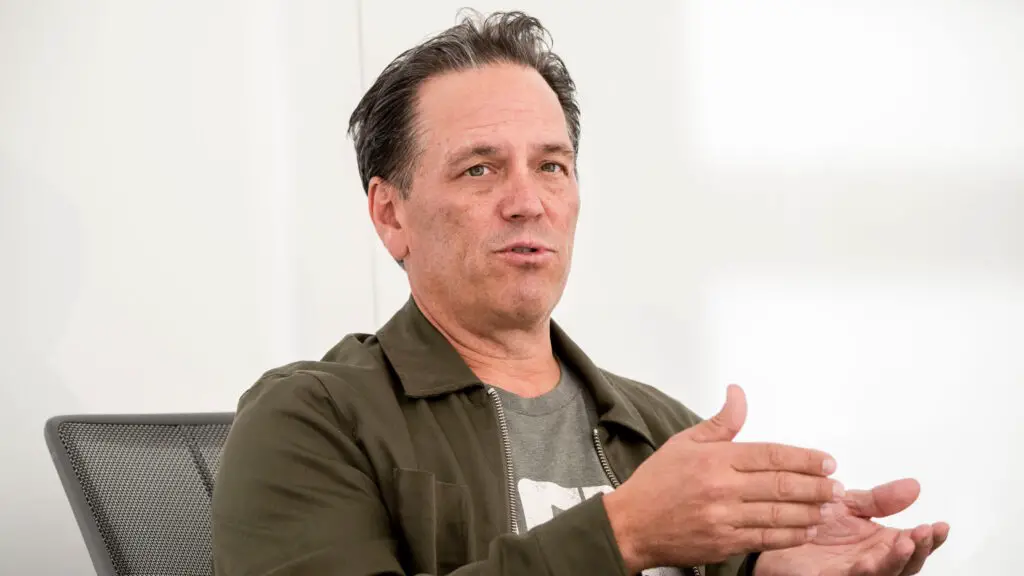
For developers and tech enthusiasts navigating the intricate landscape of the gaming industry, a recent conversation at the Paley International Council Summit offered a fascinating, albeit conflicted, glimpse into the corporate philosophy guiding one of its giants. Microsoft Gaming CEO Phil Spencer, speaking alongside Double Fine founder Tim Schafer, unequivocally championed the immense value of creative risk-taking. Spencer’s assertion was clear: “The creativity of the teams is, in my mind, the most important thing and the thing that we need to protect and foster.”
Schafer, whose critically acclaimed studio Double Fine was acquired by Microsoft in 2019, corroborated Spencer’s commitment, noting that Microsoft has largely remained true to its word regarding cultural preservation. He highlighted their continued ability to propose unique game concepts—even unconventional ones—to which Microsoft has responded positively, fostering an environment where creation can thrive without the constant pressure of seeking funding. Schafer also emphasized the importance of investing in “bets on people,” nurturing talent to lead future projects, a valuable lesson he carried from his time at LucasArts.
Spencer acknowledged that successfully protecting these creative risk-takers isn’t always easy, particularly when facing the often-harsh scrutiny of online discourse. He poignantly described releasing creative work for public judgment as “the most brave thing a team can do,” recognizing the inherent vulnerability. Despite these challenges, he maintained that nurturing and safeguarding creative teams willing to take calculated risks remains fundamental to the media industry, especially in the gaming sector.
The Contradiction: Layoffs and Profit Demands
Despite Microsoft’s public commitment to fostering creativity and protecting its development teams, a stark contradiction has emerged in the form of widespread layoffs across its gaming division. These workforce reductions followed a period of aggressive expansion, including the landmark acquisitions of Bethesda and Activision Blizzard. Industry reports indicate that Microsoft executives have been demanding exceptionally high profit margins, around 30 percent—nearly double the industry average—from the Xbox division since 2023. This intense financial pressure appears to be a primary driver behind the recent layoffs, the cancellation of significant projects like a Blizzard survival game and a Zenimax MMO, and the closure of several studios.
The human impact on employees has been profound. Kelly Yeo, a producer for Diablo 4, articulated a common sentiment after her team voted to unionize in August: “With every subsequent round of mass layoffs, I’ve witnessed the dread in my coworkers grow stronger because it feels like no amount of hard work is enough to protect us.” This palpable environment of instability directly conflicts with the notion of securely fostering daring creative endeavors, creating a challenging climate for those pushing the boundaries of digital innovation within the company.
Varying Studio Experiences Under Microsoft
The experiences of studios operating under Microsoft’s expansive umbrella have been notably varied. Double Fine’s journey, as detailed by Schafer, suggests a positive trajectory, freed from the constant pressure of fundraising. Similarly, Obsidian Entertainment, acquired in 2018, appears to be thriving. Known for its rich RPGs, Obsidian has consistently delivered acclaimed titles like Pentiment and the full release of Grounded, and boasts a strong pipeline of anticipated future releases such as Avowed and The Outer Worlds 2. Their approach to longevity is notable, focusing on maintaining low employee turnover and aiming for consistent success rather than aggressively chasing outsized profits.
However, the narrative takes a dramatic turn with the recent closure of Tango Gameworks. This studio, responsible for 2023’s critically acclaimed Hi-Fi Rush—a smaller, vibrant, and uniquely creative title that exemplified the very kind of risk-taking Microsoft publicly praised—was nonetheless shuttered. Tango Gameworks’ closure, despite the success of Hi-Fi Rush, has become a stark emblem of Microsoft’s internal inconsistencies, highlighting a significant disconnect between corporate rhetoric and operational decisions. This serves as a cautionary tale for developers and tech enthusiasts observing the industry, although the studio has since found new life under South Korean publisher Krafton.
As TechTalesLeo explores, the inconsistency between Microsoft’s stated commitment to fostering creative risk-taking and its actions—particularly the widespread layoffs and studio closures driven by aggressive profit demands—casts a long shadow over its gaming division. While some studios, like Double Fine and Obsidian, have demonstrably benefited from Microsoft’s backing, the broader climate of job insecurity and project cancellations suggests a persistent struggle to fully protect and nurture the “creative nugget” that Phil Spencer champions. The company’s recent history underscores a challenging balancing act between financial imperatives and the preservation of innovative, artistic development within its vast tech and gaming empire. For Digital Tech Explorer’s readers, understanding this dynamic is crucial for staying ahead of trends and making informed decisions about the future trajectory of the interactive entertainment industry.