
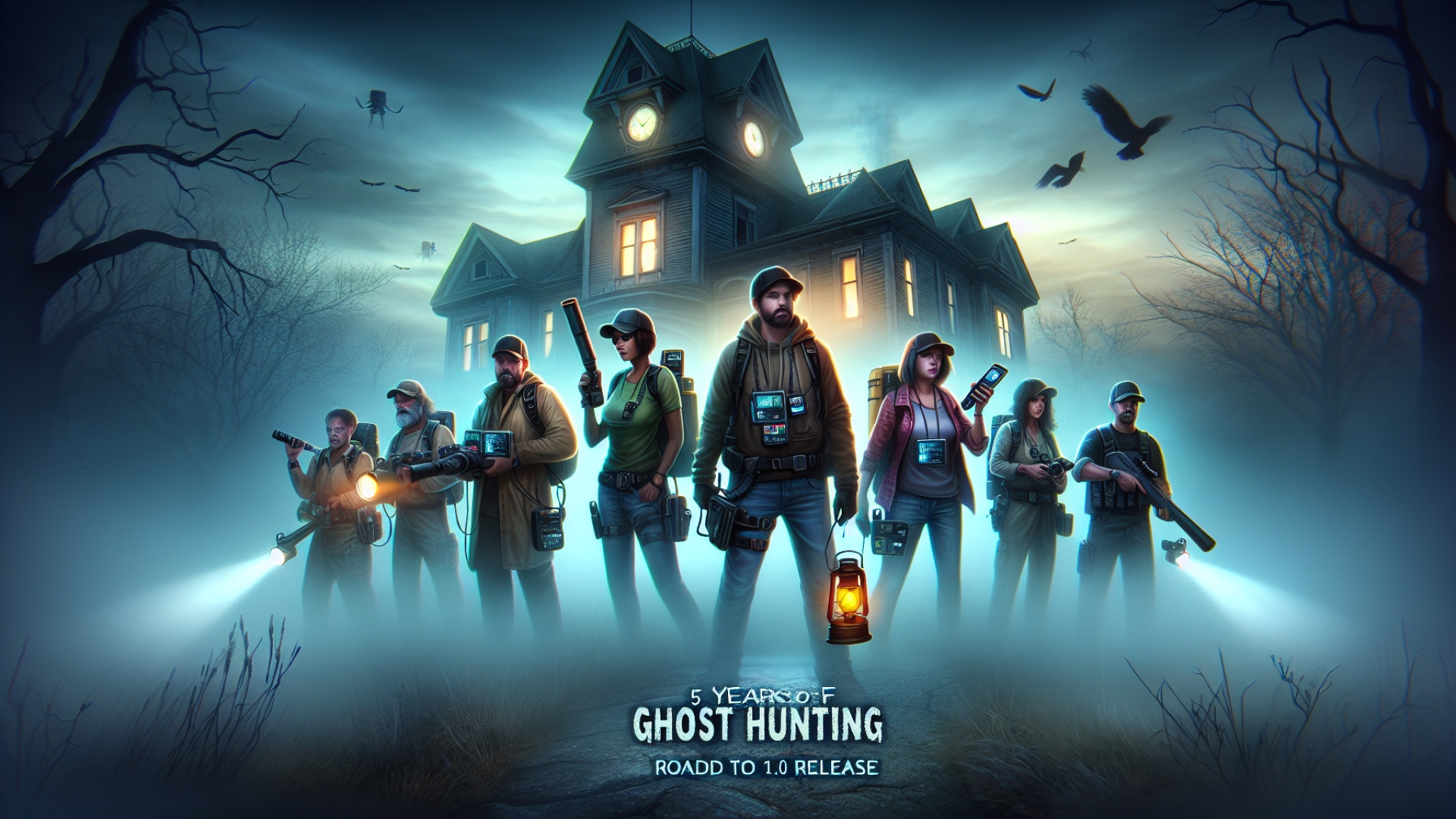
As Digital Tech Explorer continues to chart the evolving landscape of interactive entertainment, our focus turns to Phasmophobia, the groundbreaking multiplayer horror sensation. This past month marked its impressive fifth anniversary, a testament to its enduring appeal, as its dedicated development team prepares for the highly anticipated 1.0 launch.
Evolving Immersion and Development Philosophy
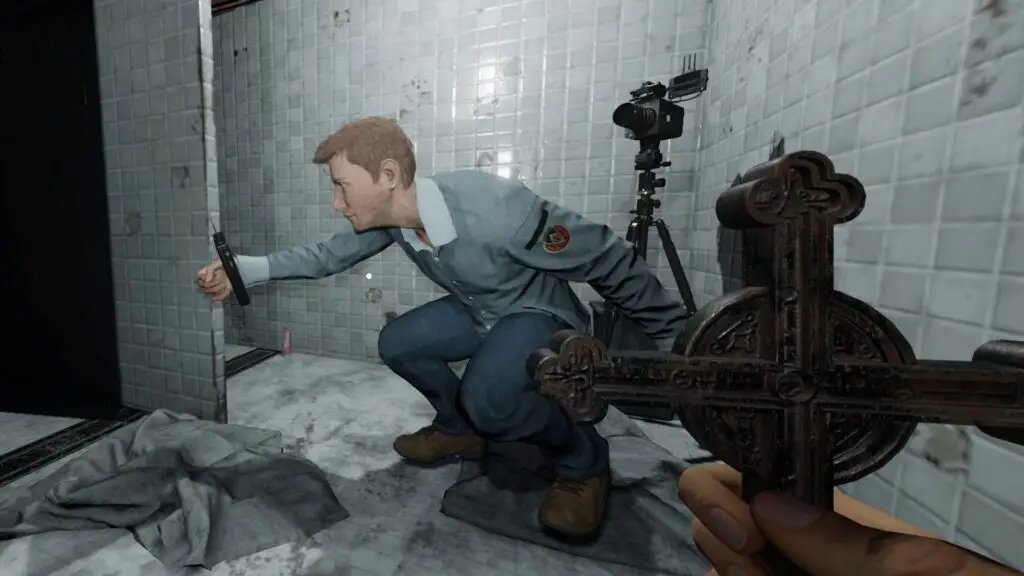
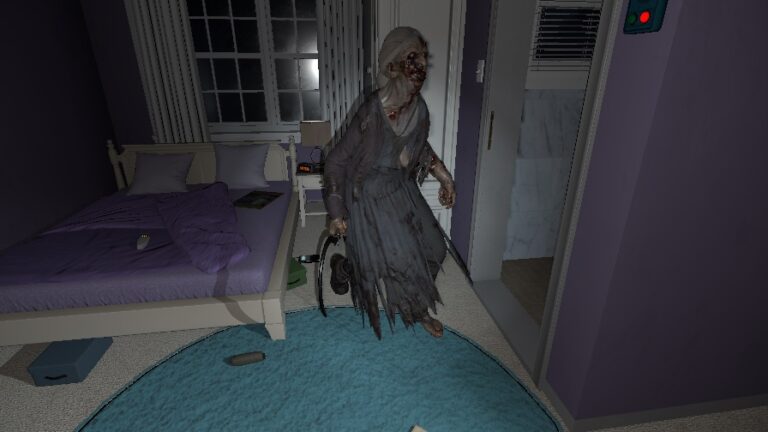
Discussing the journey to this milestone, creator Daniel Knight shared with TechTalesLeo, “We’re heading towards our 1.0 release, still in early access, with extensive plans to enhance realism and immersion.” He highlighted the imminent player character rework, encompassing character models and animations, as a crucial step, acknowledging the current models “are not very immersive at the moment.”
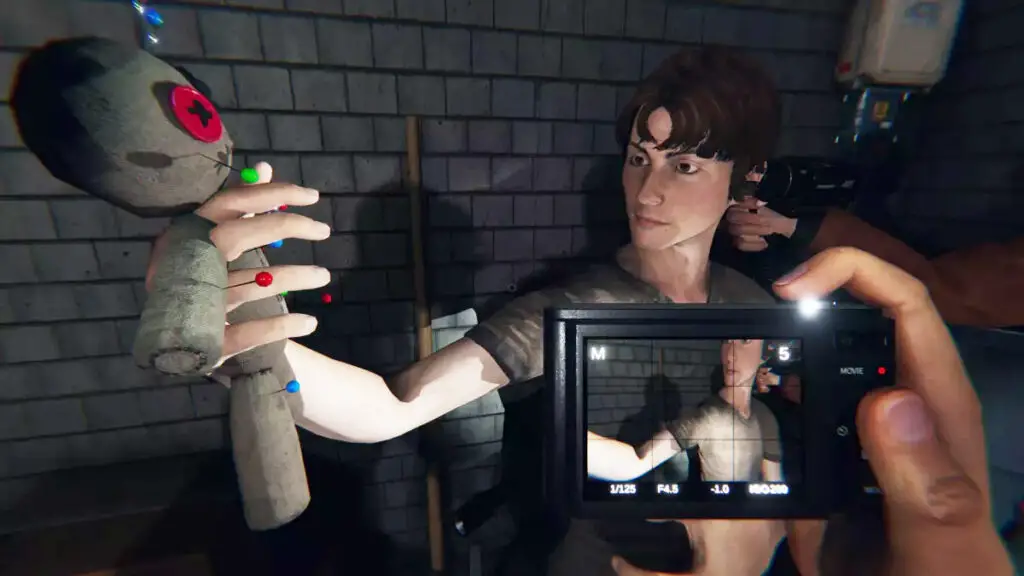
From TechTalesLeo’s perspective, Phasmophobia has undeniably grown in immersion since its early access debut. However, a nostalgic fondness remains for some of its more humorous, albeit unintended, gameplay quirks—like the ability to barricade doors against an enraged spirit or find sanctuary atop kitchen counters. Such early ‘bugs’ often fostered unexpectedly memorable moments, contributing to its unique charm.
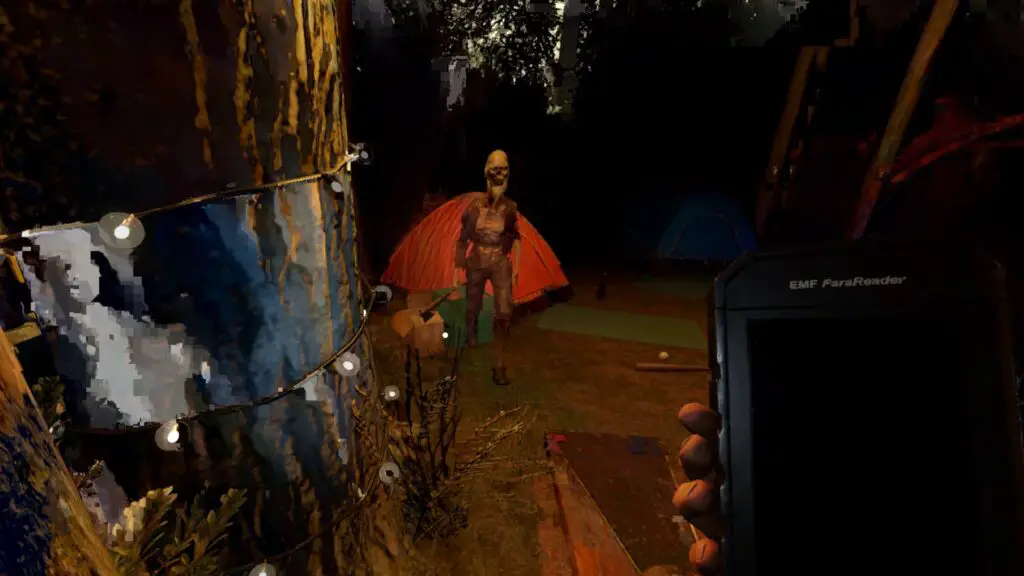
Kinetic Games has clearly steered Phasmophobia towards a more serious, polished horror experience, systematically refining the mechanics and eliminating those unintended comedic elements. Significant updates include comprehensive map overhauls, transforming familiar locales like Bleasdale Farmhouse into genuinely horrifying mazes. The “Chronicle” update further deepened gameplay by revamping how players can record evidence, from photographs to video recordings, alongside the introduction of numerous new spectral entities. This evolution marks a stark contrast to the version players encountered years ago.
Knight emphasized a conscious decision to diverge from the “live service” model prevalent in many contemporary titles. “We’re trying not to go into this live service route that other games do, but at the same time, we do try and add more things,” he stated. This philosophy extends to core functionality, with ongoing efforts to enable offline play, ensuring players aren’t beholden to a constant internet connection – a commitment to player freedom that Digital Tech Explorer recognizes as crucial for enhancing overall player experience.
Current Events and Future Content Strategy
Beyond core development, Phasmophobia has also been a hub of activity, notably celebrating its recent milestone anniversary with festive in-game events like a balloon-adorned lobby and a double XP challenge. Looking ahead, the much-anticipated annual Halloween event is currently underway until October 31st, engaging ghost hunters with collaborative objectives and exclusive in-game rewards – a testament to Kinetic Games’ commitment to community engagement.
Knight clarified the studio’s long-term vision: “We want to basically get the game into its best state possible. This is what the 1.0 release embodies, but that doesn’t mean we’re going to just stop.” He elaborated that while regular content updates will follow, enhancing the core ghost investigation experience, players should not anticipate an indefinite, ever-expanding ‘live service’ model, reinforcing their developer-first approach to content strategy.
Phasmophobia’s journey to prominence extends far beyond its recent milestones. Upon its initial release five years prior, this co-op horror game swiftly captured the gaming world, not only spawning a new wave of similar experiences but also achieving a staggering milestone of over 20 million copies sold as of October last year. This remarkable success, as Daniel Knight revealed, was not an outcome he initially anticipated, a common sentiment in the unpredictable realm of game development.
Reflecting on the early access launch, Knight confessed, “It’s hard to say the reason why I released it at that time.” He elaborated on the solo development journey: “Even though it had all those bugs and issues when it was released, I was on my own, so it was the best I could do with what I had.” Having dedicated five years to its creation by that point, he admitted, “it did kind of get to a point where I actually needed to just get it out,” a candid insight into the pressures of independent game development.
From TechTalesLeo’s vantage point, Kinetic Games’ decision to launch Phasmophobia when they did was unequivocally the right one. Regardless of its initial imperfections, the game swiftly set a benchmark for cooperative horror, a standard many titles now aspire to. The anticipation for the 1.0 release, and the subsequent innovations it promises, is palpable, promising to further solidify Phasmophobia’s legacy in the gaming industry.
Reflecting on the remarkable timeline, Knight remarked, “It doesn’t feel like five years, that’s gone by pretty quickly.” He further contextualized his dedication: “I worked on the game for five years before that, so it’s now my tenth year. So yeah, it’s been a long time, but I love all of it.” He affirmed the studio’s commitment: “If players are still there, we’ll still be there,” concluding that while future projects are conceptualized, the immediate focus remains squarely on Phasmophobia – a dedication that resonates deeply with the mission of Digital Tech Explorer to highlight impactful tech narratives and the journeys behind them.