

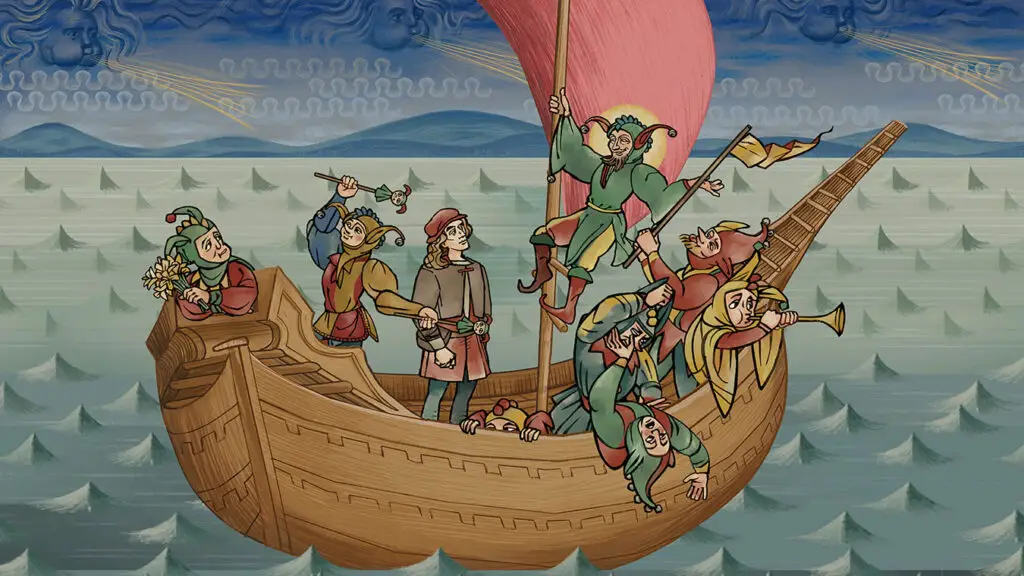
In the vast landscape of digital innovation and interactive storytelling, some games transcend mere entertainment, offering profound experiences that challenge perception. Obsidian’s Pentiment, a standout title from recent years, masterfully exemplifies this. Set amidst the rich, illuminated manuscript-style art of 16th-century Bavaria, the game casts you as Andreas Maler, a journeyman artist thrust into the unenviable task of solving murders in the town of Tassing. The core of its intrigue, as explored by TechTalesLeo here on Digital Tech Explorer, lies in its deliberate refusal to provide clear answers. With numerous potential suspects and no definitive evidence, players are forced to make gut-wrenching accusations, forever pondering the true culprit. This design ensures that every choice carries significant weight, leading to lasting consequences that resonate deeply within the narrative and with the player.
Director’s Vision: The Art of Ambiguous Design
This deliberate narrative design, a core pillar of Pentiment‘s appeal, was confirmed by director Josh Sawyer in a recent GDC discussion. “From the very beginning I said, ‘I think that for this to be compelling in the way that I want it to be, there cannot be a right answer’,” Sawyer stated, underscoring the game’s fundamental philosophy. This commitment to uncertainty runs so deep that even Sawyer himself doesn’t harbor a definitive culprit. “People on the team would ask me [who the culprit is], then people at Xbox would ask me, and I’m like, ‘No! There isn’t!’ And I will say that there are people who, in retrospect… seem more likely to have done it, but that doesn’t mean they did it,” he revealed, emphasizing the game’s impenetrable layers of doubt.
Sawyer, a veteran RPG developer known for his work on iconic titles like Fallout: New Vegas and Pillars of Eternity, articulated his rationale. From an RPG perspective, he found traditional “right answer” puzzles less engaging. “When there’s always a right answer and it’s a puzzle and you kind of either get it right or you get it wrong… I just don’t think there’s a lot there from an RPG developer’s perspective,” he explained. Instead, his vision was to immerse players in continuous uncertainty, where “you just had to keep going.” This approach champions the very essence of RPGs championed by Digital Tech Explorer: choice and consequences. As Sawyer puts it, “You made this choice. If you have second thoughts, you’ve just got to live with that,” a powerful testament to player agency and the burden of decision.
Andreas Maler: An Artist, Not a Detective
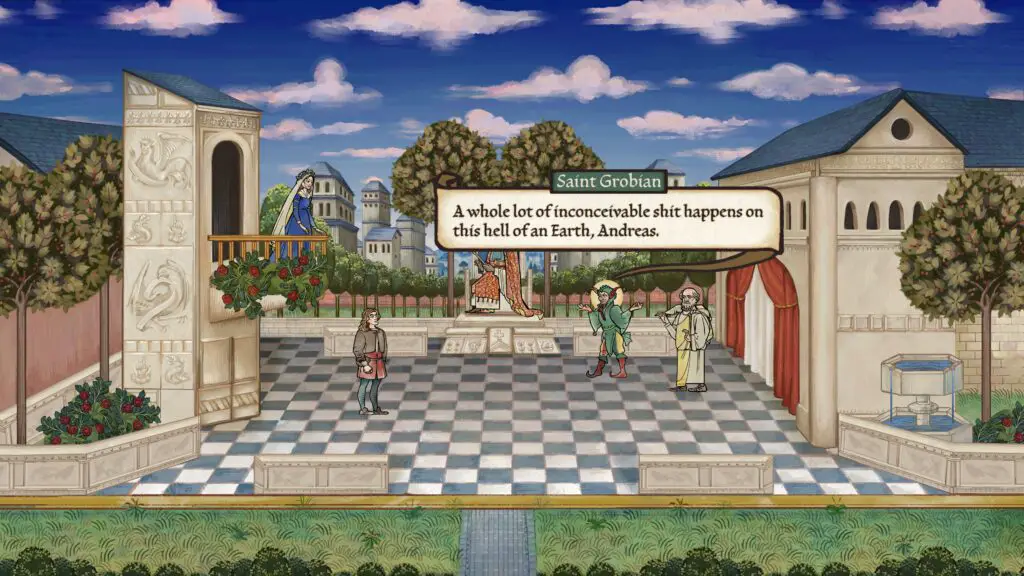
Central to Pentiment‘s unique character is Andreas Maler himself, a protagonist whose very limitations are key to the experience. Sawyer emphatically clarified Andreas’s true nature: “You’re not a detective, you’re a fucking artist. You’re not good at this.” This blunt assessment highlights the player’s vulnerability and the desperate nature of their quest. Andreas is, at his core, driven by a profound loyalty, tirelessly working “to prevent a good friend who—very obviously—is not the person who did it, from dying.” This friend is Piero, the gentle elderly monk unjustly implicated in the initial murder.
Andreas’s deep-seated conviction regarding Piero’s innocence fundamentally shapes the player’s agency. Sawyer elaborated, “Andreas, the character you’re playing, he is motivated to prevent Piero from dying, and will never offer him up, because it’s inconceivable to him that Piero could have done this.” This narrative constraint, while initially limiting, reinforces the game’s theme of forced decisions under duress. “That’s sort of like, sorry player, Andreas will not allow Piero to die. You have to pick someone else,” Sawyer concluded, firmly establishing the inescapable moral weight placed upon the player.
Pentiment stands as a testament to innovative RPG design, boldly challenging players to embrace uncertainty and grapple with the profound implications of their choices. Its narrative depth and unique artistic style make it a must-play for those seeking games that push creative boundaries and explore complex themes. As TechTalesLeo on Digital Tech Explorer, we’re dedicated to uncovering these gems that blend compelling storytelling with cutting-edge game design. What are your thoughts on games that defy easy answers? Share your experiences in the comments below.