

In a strategic pivot signaling a new era for AI infrastructure, Oracle is diversifying its chip procurement strategy beyond its traditional reliance on Nvidia. As announced by Oracle co-founder Larry Ellison, the company is now fully committed to “chip neutrality,” a policy emphasizing close collaboration with all its CPU and GPU suppliers. This move underscores a broader industry trend that Digital Tech Explorer consistently monitors, aiming to provide our readers with insightful analyses into the evolving technological landscape.
During Oracle’s recent financial disclosures, Ellison elaborated on this significant shift. While affirming the continued procurement of the latest Nvidia GPUs, he stressed the critical need for adaptability. “Of course, we will continue to buy the latest GPUs from Nvidia, but we need to be prepared and able to deploy whatever chips our customers want to buy. There are going to be a lot of changes in AI technology over the next few years and we must remain agile in response to those changes.” This forward-thinking approach is essential for any major player navigating the rapid innovations in hardware and machine learning.
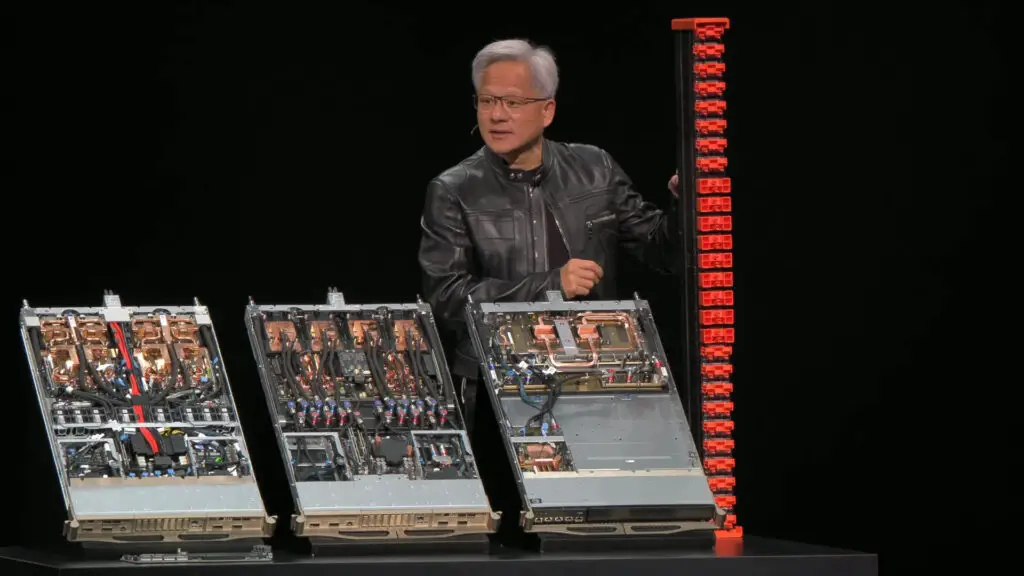
This strategic realignment presents a substantial opportunity for key competitors, particularly AMD. With its formidable AI accelerators, including the MI350 Series and the anticipated MI400 and MI500-series cards, AMD offers compelling alternatives to Nvidia’s Blackwell and forthcoming Rubin platforms. As TechTalesLeo often highlights, understanding these shifts in the competitive landscape is crucial for developers and tech enthusiasts looking to make informed decisions about their infrastructure and development choices. Many companies are increasingly looking to diversify their hardware sourcing beyond a single vendor.
The AI chip market is bustling with innovation beyond AMD. Giants like Google are advancing with their custom Tensor Processing Units (TPUs), while OpenAI has partnered with Broadcom to develop bespoke chips. Oracle’s recent divestiture of its substantial stake in Arm’s datacenter chip design entity, Ampere, to Japanese investment company SoftBank further illustrates this evolving landscape. Ellison clarified, “Oracle sold Ampere because we no longer think it is strategic for us to continue designing, manufacturing and using our own chips in our cloud datacenters.” This decision reflects a focus on core competencies rather than vertically integrating chip production.
Oracle’s Financial Performance, Market Reaction, and the AI Investment Tightrope
Oracle recently unveiled its Q2 2026 financial results, reporting a healthy 14% increase in quarterly revenue, reaching $16.1 billion over three months. Despite this positive growth, the market reacted negatively, with the company’s share price plummeting 10% following the announcement. Analysts had projected even higher figures, underscoring the high expectations placed on companies at the forefront of the AI boom.
As a global leader in cloud computing and database software, Oracle is undeniably positioned at the heart of the current artificial intelligence revolution. Operating datacenters worldwide and collaborating with other major cloud providers like Google and Microsoft, Oracle’s future success is intimately tied to the sustained viability and profitability of the AI market. Our in-depth tech news at Digital Tech Explorer consistently tracks these vital interdependencies.

Oracle’s substantial investments aimed at meeting escalating AI demands have yet to fully translate into significant short-term revenue gains. Bloomberg reports Oracle carries approximately $106 billion in debt, with an additional $10 billion accrued in the prior quarter, alongside a negative free cash flow. This financial context highlights the urgent need for Oracle’s extensive AI investments to deliver profitable returns, a scenario we often dissect for developers and tech enthusiasts seeking to understand market dynamics.
This situation echoes growing concerns about a potential “AI bubble,” where substantial spending doesn’t always guarantee proportionate returns, leading to elevated risk. The AI investment landscape is currently viewed with varying degrees of optimism and caution. Notably, the investor who accurately foretold the 2008 financial crisis has reportedly placed a significant bet against both Nvidia and AI specialist Palantir, signaling a skeptical perspective on parts of the AI market. Digital Tech Explorer remains committed to transparently reporting on these market trends, helping you navigate the exciting yet volatile world of AI investment.
All content on Digital Tech Explorer is for informational and entertainment purposes only. We do not provide financial or legal advice. Some links on our site may be affiliate links. This means we may earn a commission if you click through and make a purchase, at no additional cost to you. Our recommendations are based on thorough research and personal experience.