
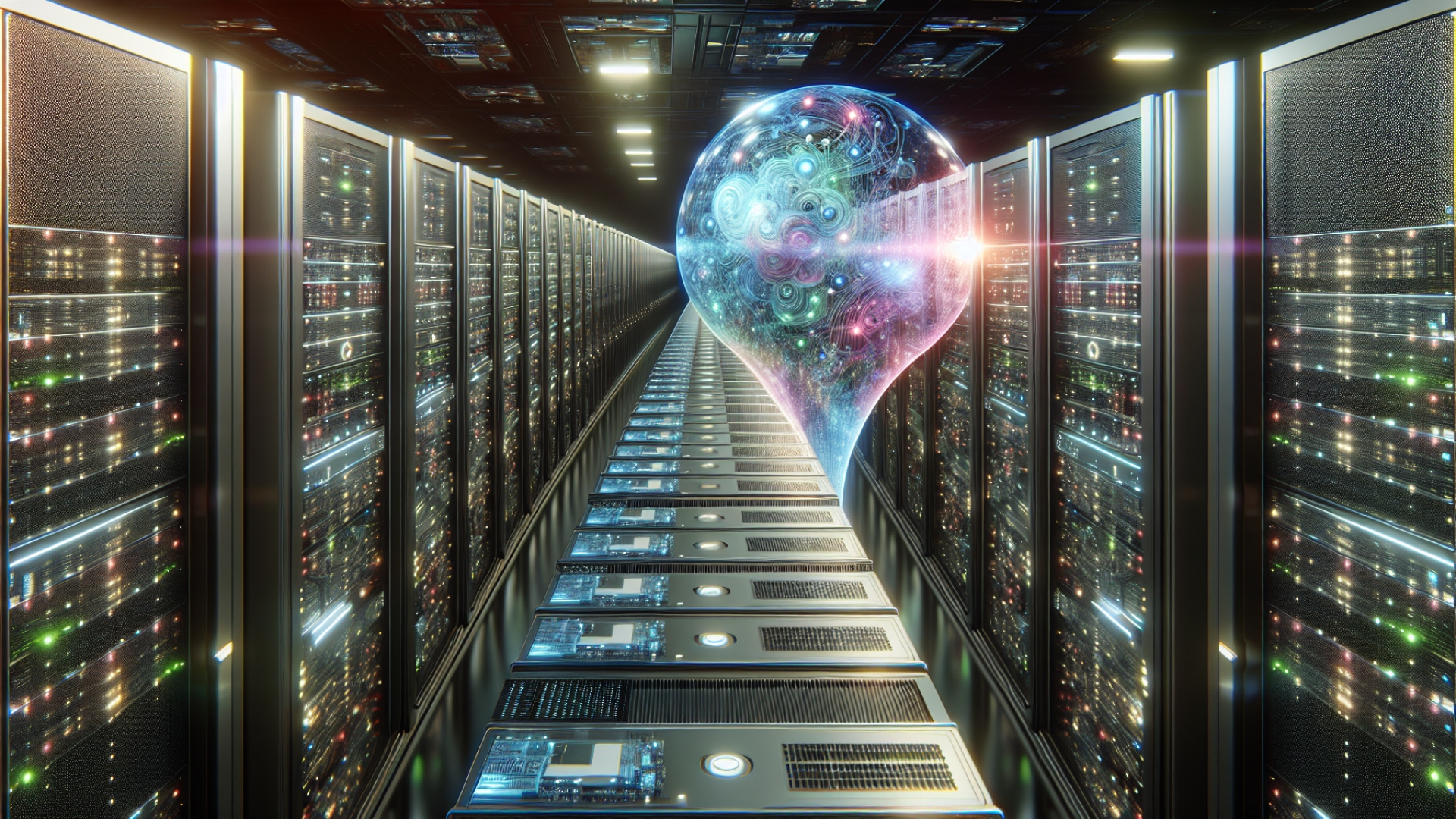
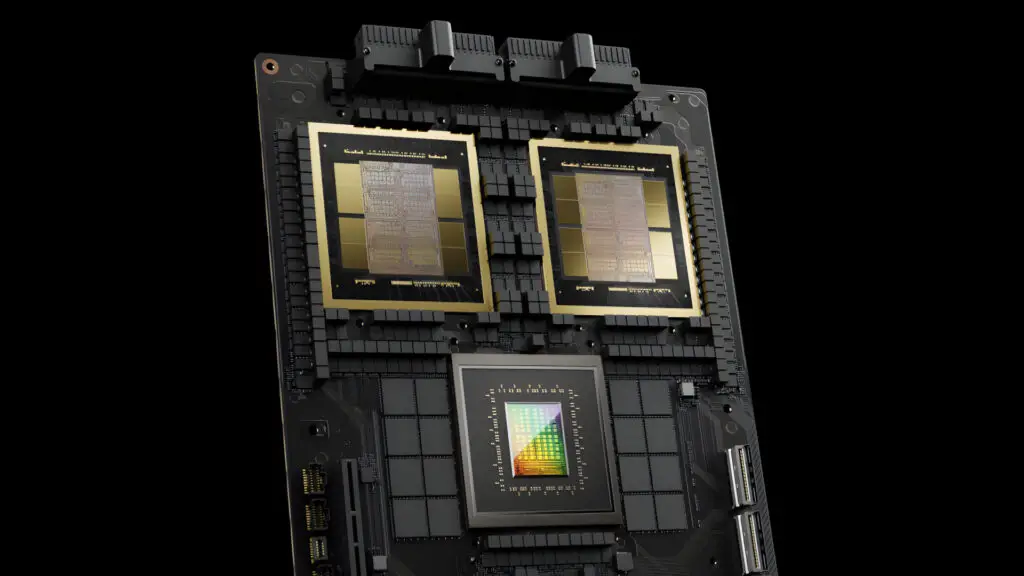
In a significant move that underscores the escalating ambition within the artificial intelligence sector, OpenAI has just finalized a colossal deal with Broadcom. This agreement involves the procurement of 10 gigawatts of custom OpenAI-designed AI accelerators. For us at Digital Tech Explorer, this strategic collaboration reveals OpenAI’s bold intent to develop its own AI hardware and systems, directly integrating cutting-edge insights from its frontier models into the very chip architecture. Such a move signals a clear effort by the AI giant to lessen its dependence on established GPU powerhouses like Nvidia and AMD, redefining the landscape of AI infrastructure.

This latest move isn’t an isolated incident; it’s part of a burgeoning trend of monumental financial commitments by OpenAI. Previous agreements include an astounding $300 billion arrangement for cloud computing services with Oracle, a substantial deal with Nvidia valued at a minimum of $100 billion, and a multi-year partnership with AMD involving tens of billions for AI GPUs. Such colossal investments have ignited fervent discussions among tech enthusiasts and financial analysts alike, raising serious questions about an impending AI bubble and the potential for its dramatic burst.
The AI Bubble: OpenAI’s Monumental Investments and Growing Concerns
The sheer magnitude of OpenAI’s financial commitments has undeniably pushed the conversation about a potential AI bubble into mainstream economic discourse. Even OpenAI’s CEO Sam Altman, a central figure in this unfolding drama, openly acknowledges the risk, noting that “people will over-invest and lose money.” Yet, he holds a firm belief that the underlying technology is robust enough to eventually fuel unprecedented economic growth. This relentless stream of multi-billion dollar agreements naturally prompts critical questions about the long-term sustainability of such rapid investment and soaring valuations within the broader artificial intelligence sector.
Indeed, a growing consensus among market watchers and tech analysts suggests that an AI bubble is not just a theoretical concern, but a present reality. The prevailing uncertainty isn’t whether this speculative market surge will cool, but rather precisely when the AI market correction will occur and what its ripple effects will be across the industry and the global economy. As TechTalesLeo, I believe these discussions are crucial, often drawing valuable parallels to previous technological and market bubbles to gain insight into potential future scenarios.
Lessons from Past Bubbles: Enduring Technological Legacy Beyond the Correction
Drawing on history provides a nuanced perspective: a potential AI market downturn might not spell doom for the underlying technological progress. As Digital Tech Explorer, we often look to past events for foresight, and a prime example is the 1990s biotech bubble, as cited by figures like Jeff Bezos. Though it saw countless companies vanish, it ultimately spurred groundbreaking advancements, leading to the development of many lifesaving drugs. Likewise, the frenzied dotcom boom of the late ’90s and early ’00s, notorious for its $500 billion fiber optic rollout, witnessed the spectacular failure of approximately 200 companies when the bubble finally burst. Yet, it was precisely from these ashes that the robust, modern internet infrastructure emerged, a testament to technology’s enduring value despite financial turbulence.
The compelling argument, which resonates deeply with TechTalesLeo’s view on bridging complex technology with everyday usability, is that even in the face of an inevitable AI market correction—with its attendant company failures and evaporating investment capital—the core AI revolution will undoubtedly persevere. Much like the internet continued its transformative trajectory despite the dotcom crash, artificial intelligence is poised to fundamentally reshape industries. Bezos notably emphasizes that the true, lasting impact won’t solely emanate from “AI-first” pioneers like OpenAI and Nvidia. Instead, he sees AI evolving into a “horizontal enabling layer,” seamlessly integrating to enhance quality and productivity across virtually every global enterprise.
However, despite this long-term optimism, the immediate financial implications of these megadeals are truly staggering. Estimates suggest that OpenAI’s planned expenditures with Oracle, Nvidia, and AMD alone could surge past $1 trillion by the close of the decade. This raises a pressing question for any tech enthusiast: what is the ultimate source of such immense capital? The perceived circularity in some of these agreements, where funds seem to flow between entities only to boomerang back through substantial hardware purchases, further amplifies concerns regarding the stability of current AI market dynamics.
For those of us tracking digital innovation, it increasingly appears that the pertinent question is no longer *if* the AI market will undergo a significant correction, but rather *when*, and what its precise ramifications will be. While such a major market event will undoubtedly entail significant economic fallout, the lasting legacy will almost certainly be an unprecedented volume of installed AI hardware and a profoundly re-architected technological landscape. As Digital Tech Explorer, we are committed to helping our readers navigate these emerging trends. The exact contours of this transformation, and its specific economic consequences for today’s tech giants, are developments we will continue to monitor closely, providing you with insightful analyses every step of the way.