
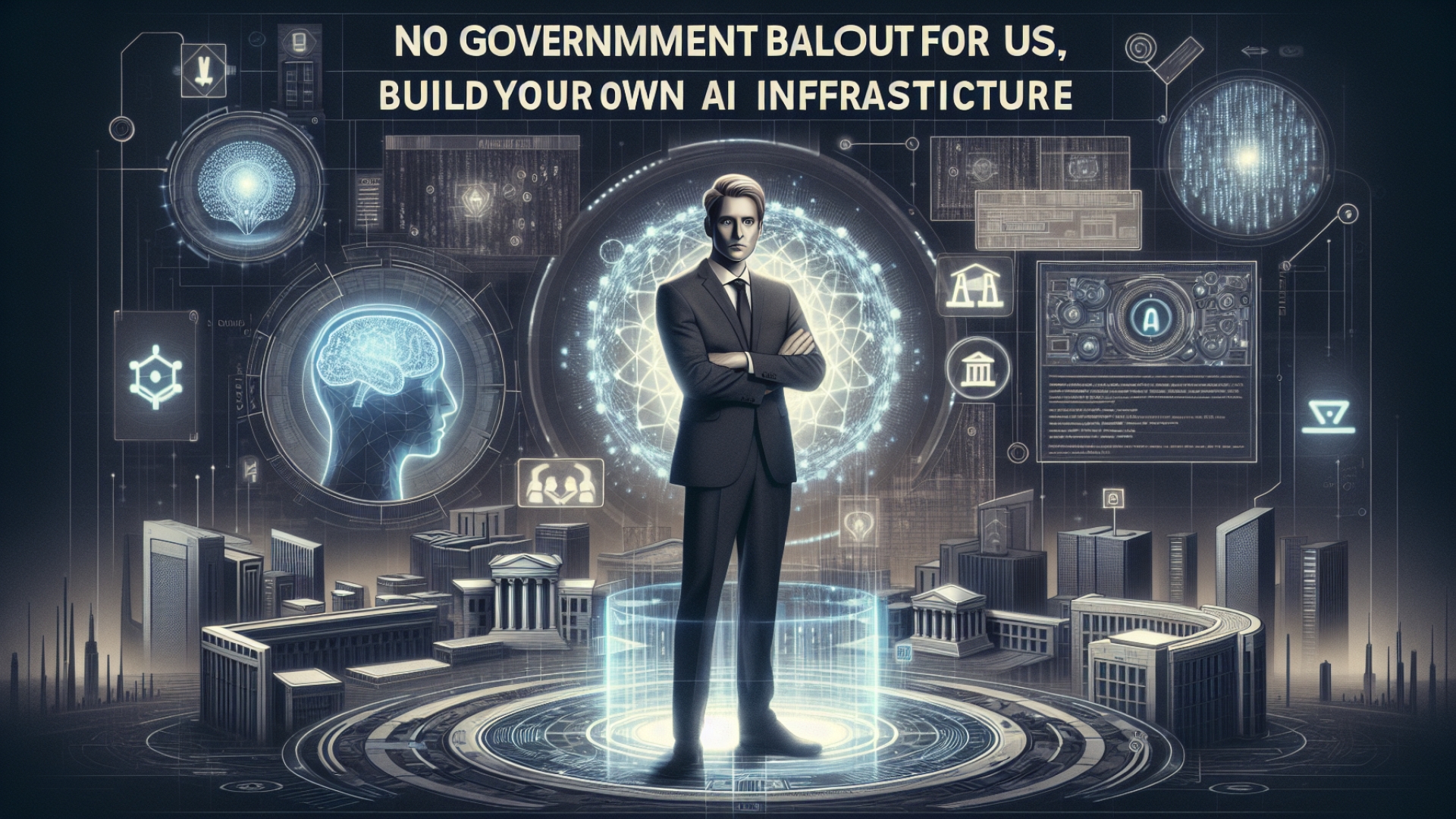
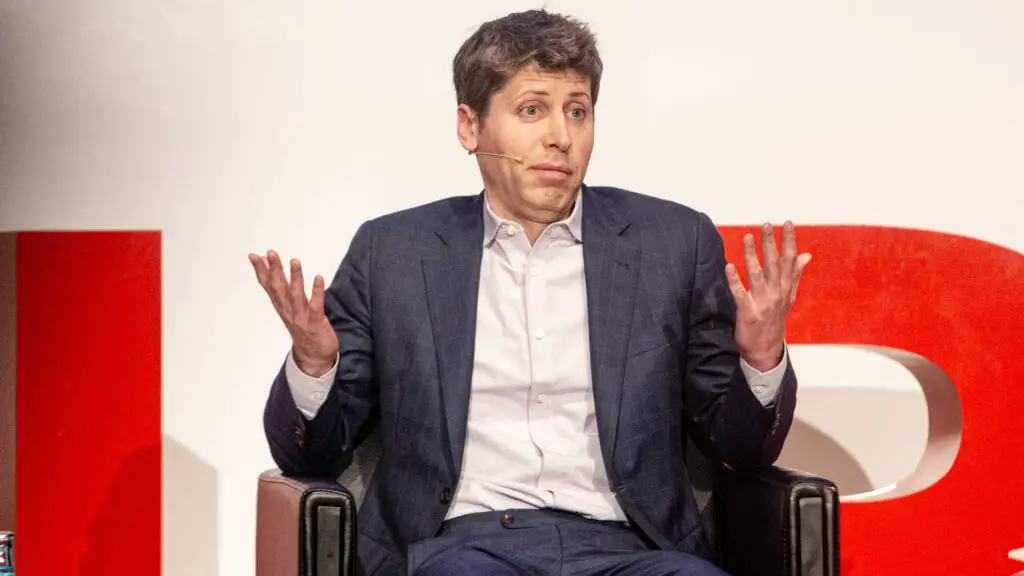
The conversation around an impending AI bubble continues to intensify, with warnings echoing from leading financial figures, former Intel CEO Pat Gelsinger, and even the creators of ChatGPT themselves. Amidst this cautious backdrop, OpenAI’s CEO, Sam Altman, has taken a definitive stance against government bailouts for his company. As reported by Bloomberg and confirmed via his declaration on X, Altman asserts that OpenAI neither possesses nor desires government guarantees for its crucial datacenters. TechTalesLeo, always exploring the evolving dynamics of AI innovation, delves into Altman’s rationale. He firmly believes governments should not interfere by picking market winners or losers, nor should taxpayers shoulder the burden of bailing out companies that make poor business decisions. Altman posits that if one company falters, the vibrant tech ecosystem will ensure others emerge to advance the work, reflecting a robust, competitive philosophy that aligns with the spirit of digital innovation.
Altman’s Vision for Government AI Infrastructure
Rather than a plea for corporate rescue, Sam Altman’s proposal champions governments establishing their own independent strategic computing reserves. He unequivocally states that such initiatives must exclusively benefit the government, never as a fallback for private companies. “If we screw up and can’t fix it, we should fail,” Altman stressed, a principle that underscores his commitment to market accountability. This perspective echoes sentiments shared during a podcast with Tyler Cowen, where he acknowledged the government’s traditional role as an “insurer of last resort” for entities of immense scale, drawing parallels to past financial crises. Digital Tech Explorer always emphasizes the importance of understanding such pivotal discussions for hardware and AI acceleration strategies.
Strategic Alliances and Computing Power Investment
While steadfastly rejecting direct bailouts, OpenAI’s strategic trajectory clearly aligns with broader governmental interests in fostering technological independence and innovation. Altman points to US loan guarantees for domestic semiconductor fabs as a prime example—benefitting both the government’s push for in-country production and OpenAI’s immense, escalating demand for computing power. This enormous appetite for infrastructure is starkly evident: Altman has previously indicated plans to invest trillions of dollars in data center construction. Beyond national borders, OpenAI is actively cultivating international alliances, exemplified by its “memorandum of understanding” with the UK government, focused on job creation and infrastructure investment. Simultaneously, the unveiling of the US AI action plan by the Trump administration further illustrates a global race to accelerate data center development, enhance AI hardware production, and deregulate AI, all in pursuit of securing national dominance in the rapidly evolving AI landscape. These developments underscore the complex interplay between private innovation and public policy, a narrative TechTalesLeo consistently explores to keep you informed on emerging tech trends.
The increasing convergence of government strategies and AI infrastructure development presents a compelling paradox. As Digital Tech Explorer continues to track these developments, a critical question emerges for both policymakers and the tech community: if governments make substantial investments in these ventures, and those initiatives falter, who then bears the ultimate burden of accountability, and who bails out the governments themselves? This ongoing debate highlights the intricate challenges and immense potential within the future of artificial intelligence, underscoring why staying informed is paramount for navigating this transformative era.