
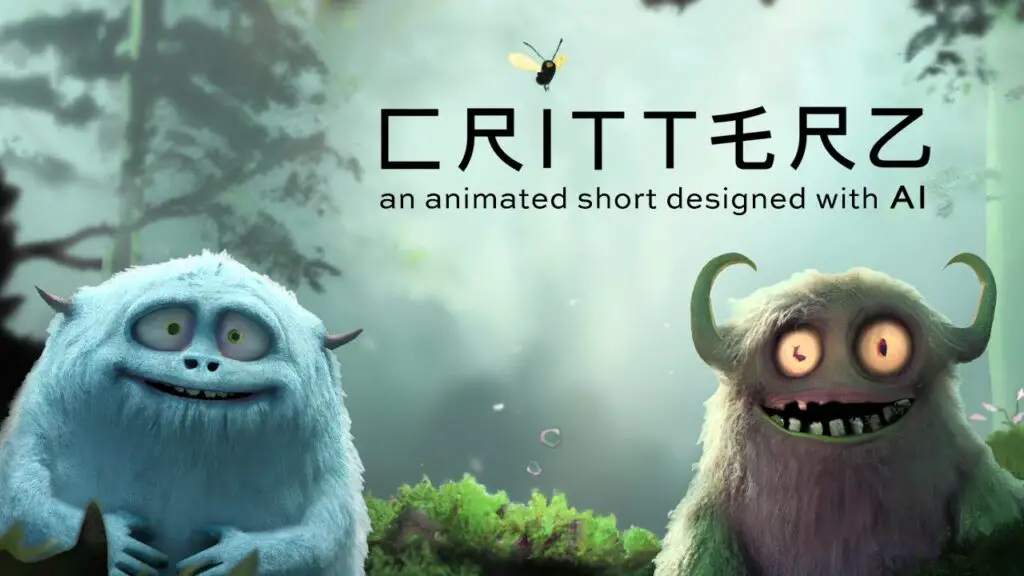
At Digital Tech Explorer, we’re always tracking the cutting-edge intersection of technology and creativity. A recent Wall Street Journal report highlights one such groundbreaking development: OpenAI is now backing Critterz, a new animated feature film slated to be created “largely” with advanced artificial intelligence. This ambitious project aims to convince Hollywood to fully embrace innovative AI content creation tools. The film’s compelling plot follows a group of forest creatures whose peaceful village is disrupted by a stranger, leading them on an unexpected adventure.
As TechTalesLeo explores the evolving landscape of digital innovation, it’s clear the primary goal of Critterz, as detailed in a press release from production company Vertigo Films, is to demonstrate that generative AI technologies can produce feature films significantly faster and more cost-effectively than traditional Hollywood methods. With a budget of less than $30 million, Critterz is projected to be completed in just nine months. This remarkable efficiency stands in stark contrast to conventional animated films, such as Toy Story 4, which commanded an approximate budget of $200 million.
Production Process and Copyright Strategy in the Age of AI
The concept for Critterz originated with Chad Nelson, a creative specialist at OpenAI, first appearing as a 2023 animated short film. In that initial project, every character and background was generated using OpenAI’s DALL-E image generation tool, with a team of animators then bringing these AI-generated images to life. For the upcoming feature film, the production approach will be strategically reversed. Human artists will create initial sketches, which will then be fed into OpenAI’s advanced tools. The film will also benefit from human voice actors and a script meticulously crafted by members of the team behind the acclaimed 2024 movie Paddington in Peru, ensuring a blend of cutting-edge tech and human artistic flair.
This deliberate inclusion of human involvement is also a crucial component of the film’s legal strategy. Nik Kleverov, a co-creator of Critterz and co-founder of Native Foreign, a production company, highlighted a critical point for our tech-savvy audience: purely AI-generated content currently lacks eligibility for copyright protection. By integrating human artists to produce foundational images and human actors for vocal performances, the production team anticipates the final film will successfully qualify for essential copyright protections, navigating the complex legal landscape of emerging technologies.
OpenAI’s role in the venture is not direct production but rather “lending its tools and computing resources” to the project, demonstrating its commitment to fostering innovation in the creative sector. While a theatrical release for an original animated film always carries inherent risks, the potential reward for OpenAI is immense. If Critterz proves successful, it will serve as a powerful case study for developers and tech enthusiasts alike, illustrating that AI technologies can deliver content strong enough for the big screen and significantly accelerate Hollywood’s adoption of these transformative tools. This shift could lead to dramatically lower production costs and empower more creators to produce content, though it concurrently raises important discussions, as explored by TechTalesLeo, about the potential displacement of human artists and animators who might be impacted by more cost-effective, AI-driven production methods.