
As TechTalesLeo for Digital Tech Explorer, I champion genuine innovation in the hardware space. But I cannot stand idly by and watch manufacturers introduce features that offer more flash than substance. These V-Color XFinity+ DDR5 RAM modules, a collaboration between Gigabyte and V-Color, are touted as “designed for overclocking enthusiasts and hardware lovers.” Yet, they represent a trend I genuinely struggle to justify: the addition of screens to components without clear, practical utility, prompting us to ask: is this innovation, or just an aesthetic gimmick?
The Questionable Utility of RAM Displays
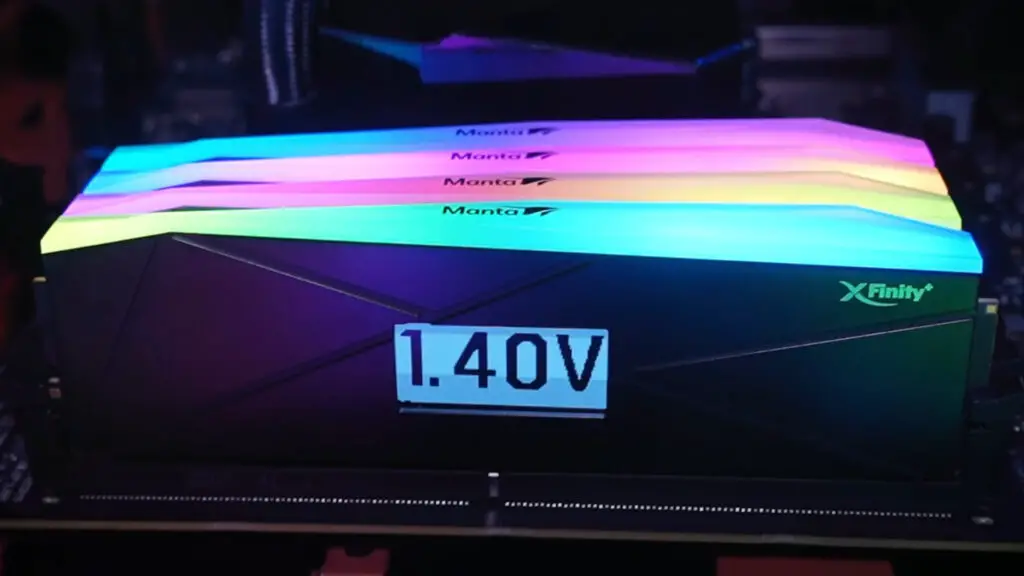
On the side of each module is a tiny OLED display, which can be configured to show voltage, speed, EXPO and XMP profiles, and much more. What’s the catch, you might ask? V-Color positions this as a major benefit: enabling users to see real-time information about individual RAM modules during the POST process, without needing to enter the operating system. However, as an analyst focused on real-world usability, I find myself immediately questioning the practicality of this feature.
Here’s where the utility falls short, particularly for the “overclocking enthusiasts” these modules target. The BIOS, also an integral part of the POST process, is precisely where most memory adjustments and profile configurations happen. And critically, your primary monitor already provides a comprehensive, easily viewable display of all this information.
One might argue for its use in troubleshooting a “no display output” scenario, where diagnosing a RAM configuration issue without OS access could be valuable. But even then, practicality becomes an immediate hurdle. Imagine craning your neck into your PC case – a less-than-convenient feat – only to find the “handy-dandy display” potentially obscured by essential components, most notably the 24-pin ATX power cable supplying your motherboard. This isn’t the seamless troubleshooting solution one might hope for.
Indeed, that long socket situated directly in front of the module is precisely where that critical cable resides. It’s a common trick in promotional photography to remove such cables to highlight the aesthetic, but in a real-world build, that screen would be largely invisible.
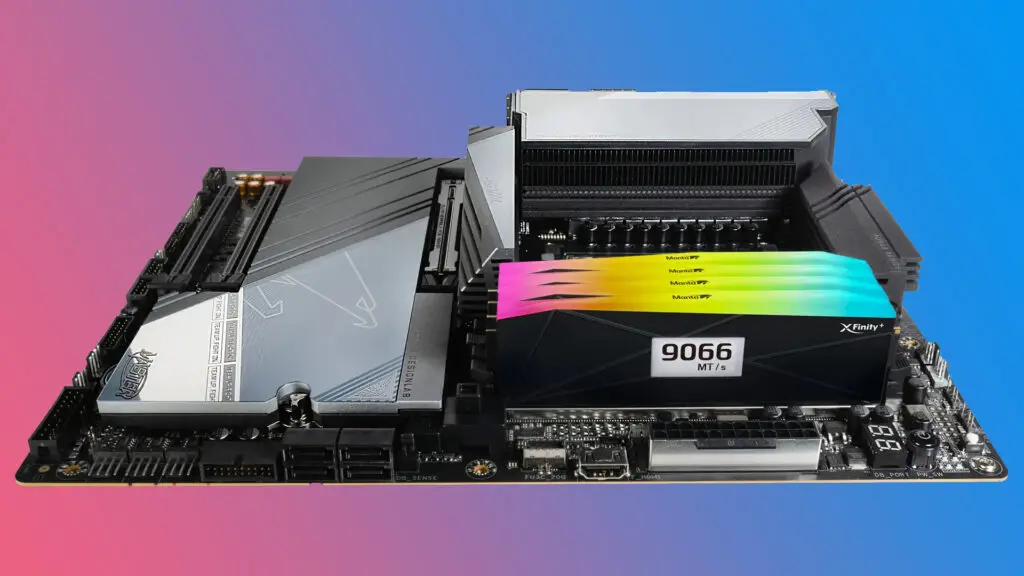
The visual obstructions don’t end there. In typical dual-channel configurations, RAM sticks are positioned closely, further obscuring at least one module’s display. While one might contrive a scenario with a fishbowl-style case, perfectly angled on a desk with meticulously, perhaps even dubiously, managed cables, the overall utility remains negligible. For us at Digital Tech Explorer, our aim is to help enthusiasts make informed decisions based on practical value, and in this case, the display’s virtue seems to be solely its headline-grabbing aesthetic rather than genuine functionality.
This RAM module trend is, unfortunately, part of a wider inclination in PC hardware towards adding screens where they might not be needed. As TechTalesLeo, I’m compelled to analyze these “emerging digital trends” and distinguish between genuine innovation and mere spectacle. I can appreciate the utility of a screen on top of a CPU water block; these often face outwards, towards a case window, offering easy visibility. For CPU overclocking, which is a common endeavor for many enthusiasts, keeping an eye on temperatures at a glance can be genuinely helpful for safeguarding components and optimizing performance. That’s a practical application of a display.
However, screens on RAM modules, seemingly for the sole purpose of existing, strike me as a step too far into gratuitous feature creep. It begs the question: What’s next? Screens on gaming mice? Oh, wait – it appears I’m almost a decade too late for that particular critique! As Digital Tech Explorer continues to provide insightful tech news and product reviews, our commitment remains to help you, our readers and fellow developers, make informed decisions in an ever-evolving tech landscape. While these V-Color XFinity+ modules certainly catch the eye, their practical application for the average user, or even the targeted enthusiast, remains highly dubious. Ultimately, discerning true innovation from mere spectacle is key to enhancing our coding skills and staying ahead of trends without unnecessary fluff.