

As Digital Tech Explorer continuously monitors the evolving tech landscape, a significant development is casting a shadow over the graphics card market. What began as a concerning RAM shortage, largely driven by surging AI demand, now threatens to cascade into an even more impactful GPU shortage. This shift could disproportionately affect smaller GPU vendors and ultimately, consumers.
A reputable leaker, Golden Pig Upgrade Pack on Weibo (via VideoCardz), has brought to light a significant rumor: Nvidia is reportedly planning to cease bundling VRAM with its GPU dies for its add-in card (AIC) partners.
(Please note: Some external links in this article may be affiliate links. Digital Tech Explorer may earn a commission if you click through and make a purchase, at no additional cost to you. Our recommendations are based on thorough research and personal experience, aligning with our commitment to transparent and high-quality content.)
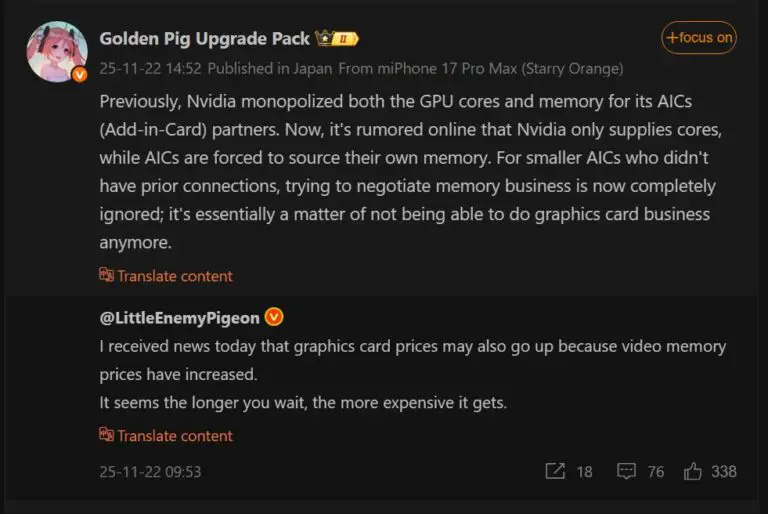
Historically, Nvidia has supplied both the GPU and its accompanying VRAM to its AIC partners. This arrangement simplified the manufacturing process for graphics card manufacturers, ensuring adherence to specifications and removing the complex task of sourcing DRAM directly from industry giants like Micron or Samsung. With Nvidia handling the core components, AICs could then focus on customizing the cooling solutions, power delivery, and overall design of the graphics card before bringing it to market.
If this rumor proves true and Nvidia indeed opts to ship only the GPU die moving forward, its board partners will be solely responsible for securing their own supply of VRAM. Given the current volatility and escalating prices of memory across the board, this shift presents a substantial challenge for many brands.
The broader implications of a memory crunch are clear: the scarcity and rising cost of memory modules impact not only the RAM kits we install in our PCs but also critical components like VRAM. With significant production capacity increasingly directed towards data center infrastructure and AI accelerators, availability for consumer-grade graphics cards is likely to diminish, driving up prices.
Unpacking the Consequences for Smaller AICs and Consumers
As TechTalesLeo delves deeper into this rumor, the leaker suggests that this policy change will severely impact smaller AICs lacking established relationships with major memory makers, potentially forcing them out of the competitive GPU market entirely. While industry giants like MSI or Gigabyte possess the leverage and infrastructure to manage their own VRAM sourcing, smaller brands such as Inno3D or Gainward, with comparatively lower production volumes, could face insurmountable hurdles.
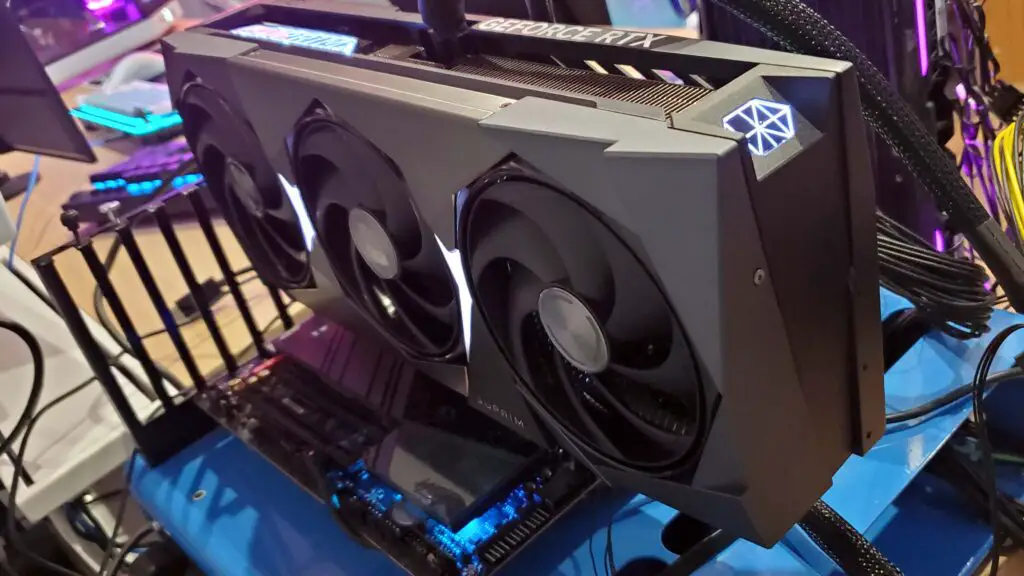
For us, the discerning tech enthusiasts and consumers at the end of this supply chain, this development paints a challenging picture: expect either higher retail prices for graphics cards or significantly reduced availability. This industry shift underscores the ever-present tension between supply and demand in the high-tech sector.
Further compounding the situation, another leaker corroborated the initial report, claiming that GPU prices are indeed set to rise due to the escalating cost of memory. Retailers have echoed similar sentiments in recent weeks, indicating that once current inventories are depleted, purchasing costs will necessitate price increases. While rising memory costs would impact GPU pricing regardless of Nvidia’s bundling strategy, this rumored unbundling could considerably exacerbate the situation, placing additional pressure on GPU vendors to negotiate their own deals with memory makers, costs that are ultimately passed on to the consumer.
Should Tech Enthusiasts Panic-Buy a New GPU?
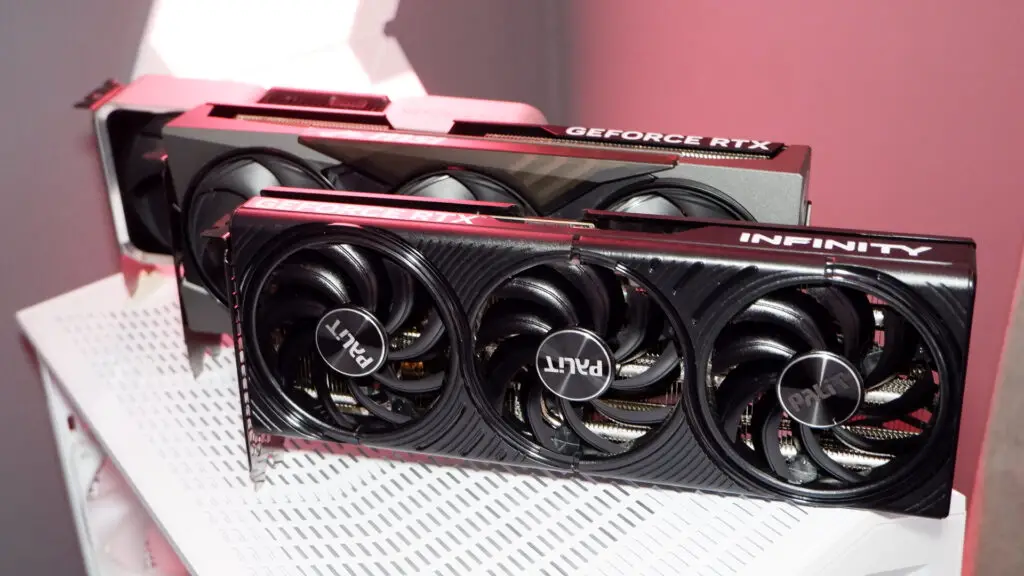
As Digital Tech Explorer provides insightful content for informed decisions, we advise against immediate panic-buying of GPUs based on this rumor alone. While there are often graphics card deals during sales events, this particular news is still a speculative development. Even if true, a sudden, widespread price hike across all GPUs and retailers is unlikely to occur overnight.
What this information truly signifies is a potential long-term trend. After a period where GPU prices showed signs of stabilizing, this industry shift could unfortunately reverse that progress, pushing prices upwards once again. For dedicated gamers and professionals, staying informed through trusted sources like Digital Tech Explorer will be crucial to navigating these evolving market dynamics.