
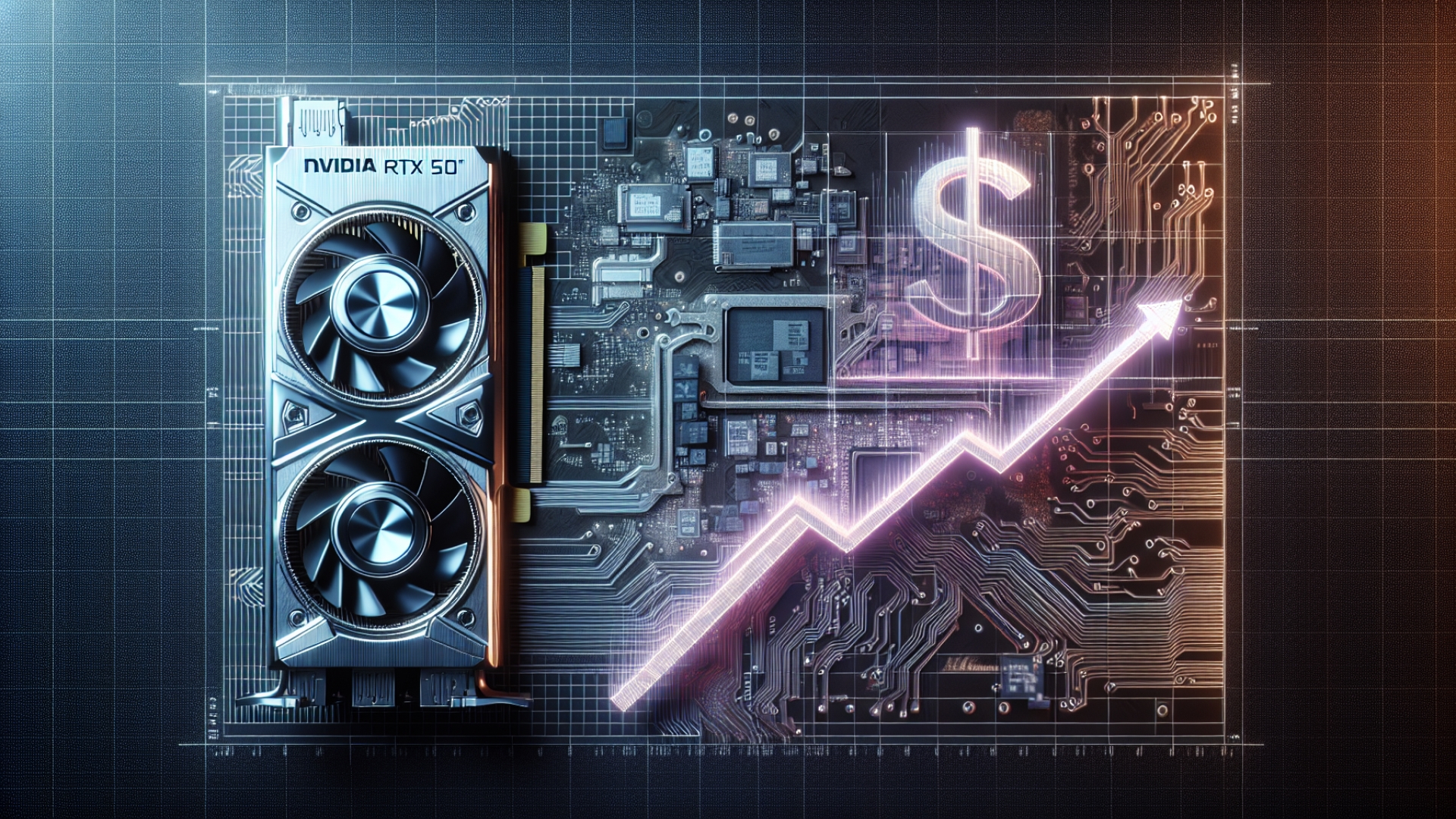
In the fast-paced world of PC tech, one constant remains: the buzzing anticipation and inevitable flurry of leaks and rumors that precede a major product launch. Recently, the tech sphere has been captivated by a claim suggesting Nvidia might cancel its anticipated GeForce RTX 50 Super series. The supposed culprit? Mounting memory shortages, particularly for the crucial GDDR7 modules. This rumor posits that the rising cost of 3GB GDDR7 modules could make the refresh of RTX 50 graphics cards, expected to utilize these advanced memory chips, financially unviable for Nvidia. It further hints that current models, using 2GB GDDR7, could also see immediate price hikes. As Digital Tech Explorer, we’re dedicated to helping you navigate these trends and make informed decisions, so let’s dive deeper into this claim.
Unpacking the RTX 50 Super Cancellation Rumor
When rumors like this surface, direct confirmation from Nvidia is rarely forthcoming; they famously keep future products under wraps. However, even if the GPU giant were to break tradition and respond, a denial would be highly probable. Why? Because a scarcity of chips has never deterred Nvidia from launching new hardware in the past. Cast your mind back to the launches of previous generations, like the GeForce RTX 5090, RTX 5080, RTX 5070 Ti, and RTX 5070. Availability was notoriously challenging at launch, often taking many months to stabilize, and prices frequently soared above MSRP. Yet, PC gamers and hardware enthusiasts, eager for the latest innovations, continued to purchase these cards in vast numbers, propelling Nvidia to record revenues. This historical pattern suggests that while pricing and availability might be impacted, a full cancellation is a significant leap.
The Intricate Dance of GDDR7 Production and Cost
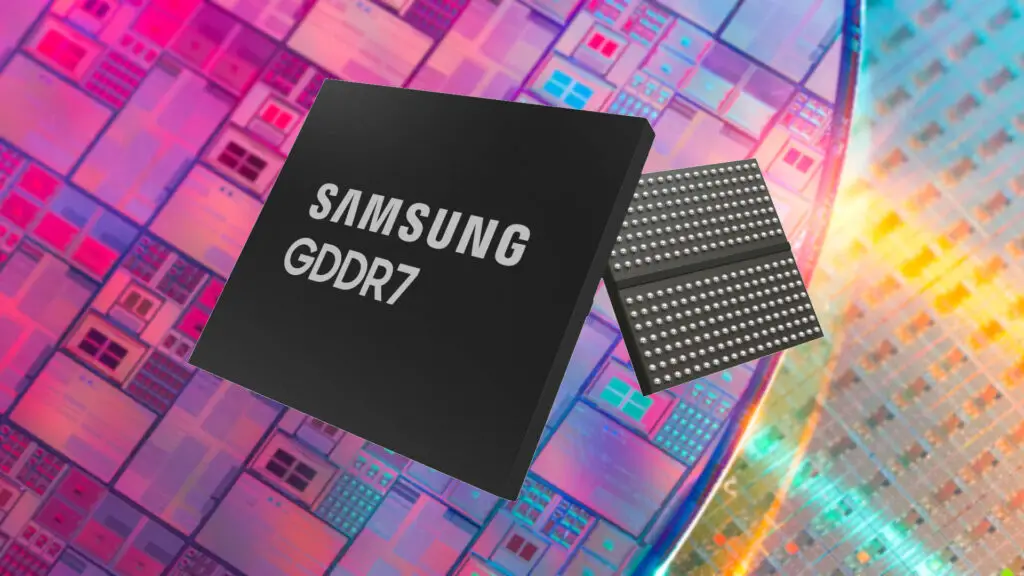
One might wonder about the root cause of potential GDDR7 shortages, especially since this ultra-fast graphics memory isn’t typically consumed by massive AI servers. The key lies in manufacturing commonalities. Though internally distinct from DDR5 and LPDDR5x, GDDR7 is often fabricated on the same process lines. With the unprecedented demand for system RAM soaring due to the AI boom, major manufacturers like Samsung and Micron are incentivized to prioritize production capacity for the highly profitable DDR5 and specialized HBM (High Bandwidth Memory) modules critical for AI workloads. This shift inevitably creates a ripple effect on GDDR7 supply.
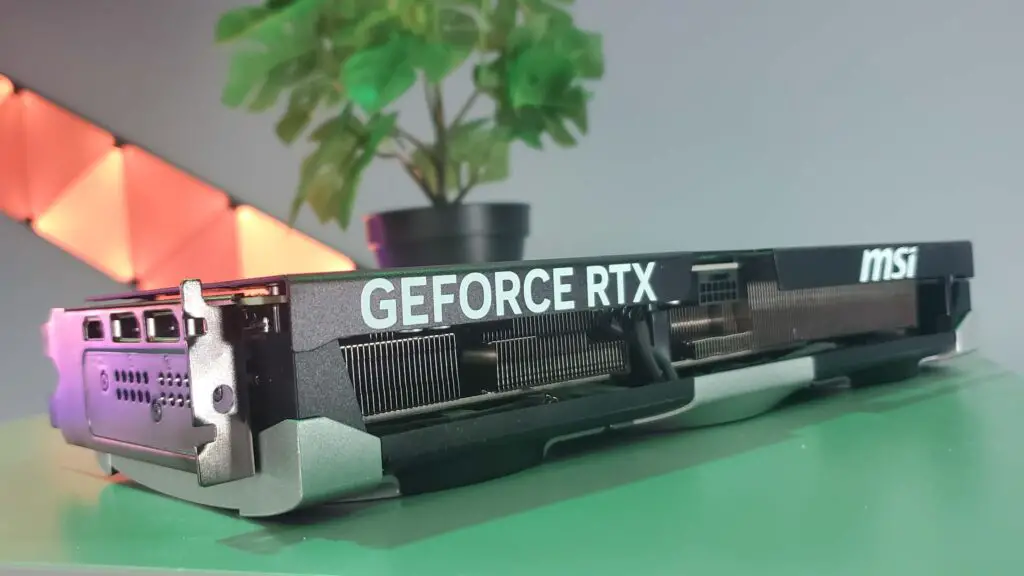
Further complicating matters is the current production landscape: only Samsung currently lists 3GB GDDR7 as being in mass production. Competitors like Micron and SK hynix primarily focus on the standard 2GB GDDR7 modules presently found in RTX 50 cards. This focused production by a single major player makes the supply chain more susceptible to pressures. It’s important to remember that Nvidia’s graphics card partners (like Asus, Gigabyte, and MSI) don’t directly procure RAM modules; they purchase a complete package from Nvidia, which includes the GPU and its accompanying memory. It’s highly improbable that Nvidia will absorb the escalating costs of these memory chips, meaning those increased expenses will inevitably be passed down to the board partners, and ultimately, to us, the consumers.
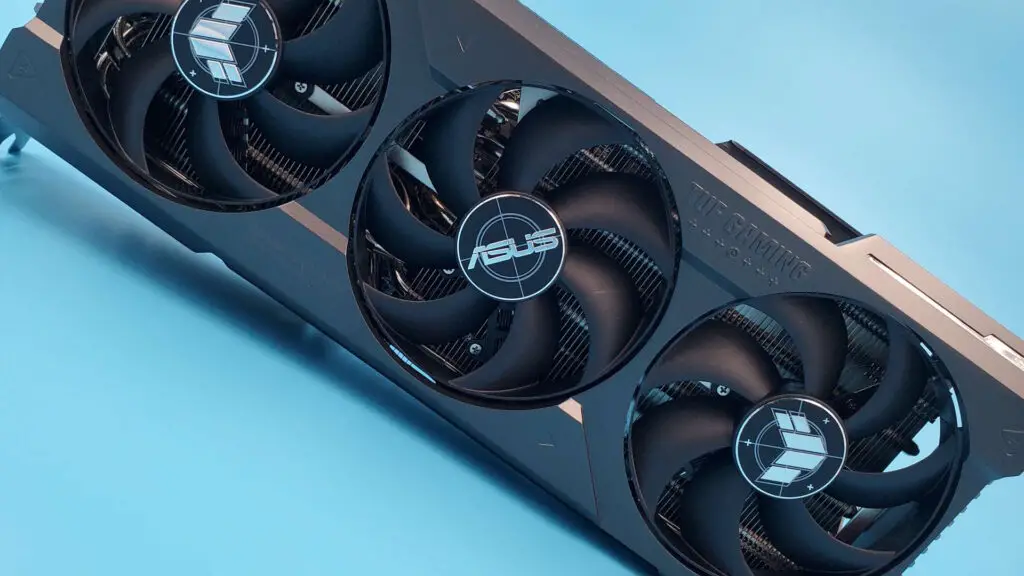
So, what’s the most probable outcome as Digital Tech Explorer predicts? It’s highly likely that Nvidia will indeed launch its RTX 50 Super graphics cards, perhaps in early 2026 as initially projected, or with a slight delay. The “Super” variations might also be spaced out over several months to manage supply. However, one thing we can almost certainly expect in today’s PC hardware market is that these cards will be more expensive than initially anticipated. We might see an extra $30 to $50 for models like the RTX 5070 Super, and potentially a more significant premium for cards like the RTX 5070 Ti Super and RTX 5080 Super, given their higher RAM module count. For Team Green GPU enthusiasts, budgeting for premium pricing is, unfortunately, a familiar aspect of the journey.
As TechTalesLeo, I aim to unravel the complexities of the tech world, making information accessible and engaging for every enthusiast. Stay tuned to Digital Tech Explorer for the latest insights and reviews.
Disclaimer: All content on Digital Tech Explorer is for informational and entertainment purposes only. We do not provide financial or legal advice. Some of the links on Digital Tech Explorer are affiliate links. This means we may earn a commission if you click through and make a purchase, at no additional cost to you. Our recommendations are based on thorough research and personal experience.