

In a significant move to tackle the intricate challenge of global chip distribution and export compliance, Nvidia is rolling out advanced location verification technology for its next-generation AI GPUs. This strategic initiative, deeply relevant for tech enthusiasts and developers tracking hardware innovation, aims to prevent the illicit movement of its high-performance chips into restricted territories. The new feature is designed to precisely identify the operational country of these powerful AI accelerators, directly combating chip smuggling and upholding stringent export regulations.
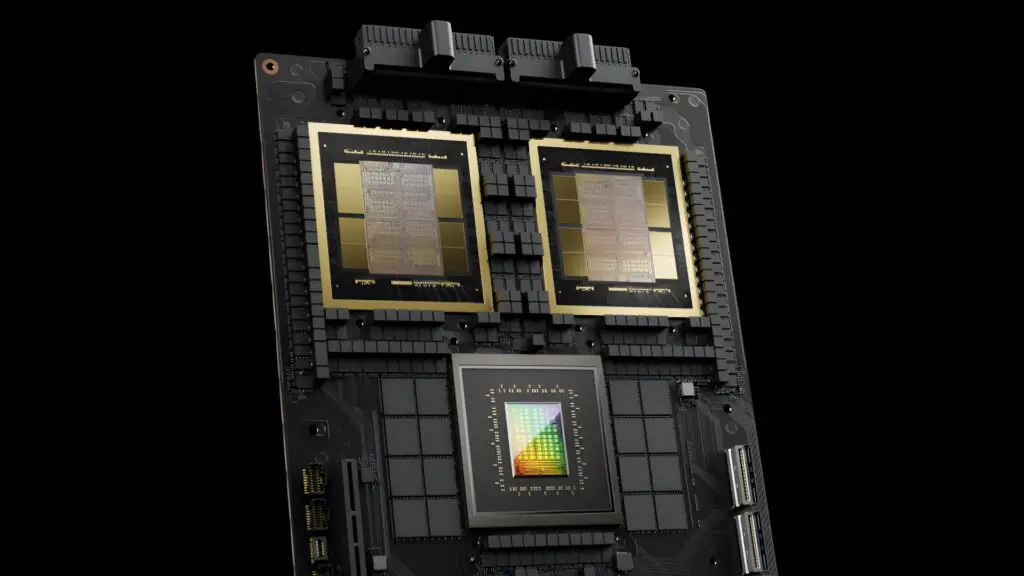
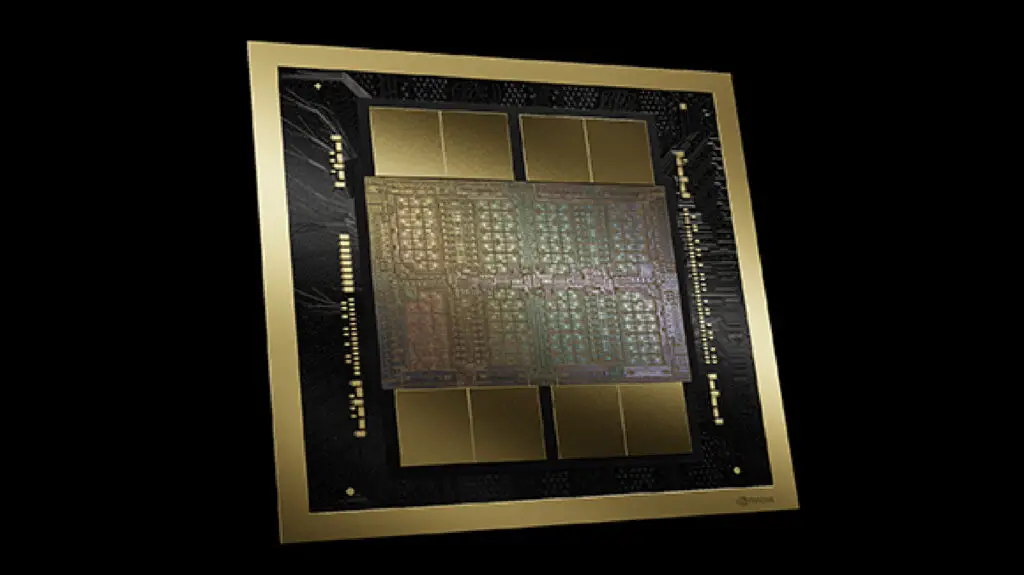
Operating as a software-based solution, this system leverages the “confidential computing capabilities” inherent in Nvidia’s chips. It functions by analyzing communication delays between the GPU and Nvidia’s servers, providing a reliable indication of its geographical location. Nvidia officially confirmed, “We’re in the process of implementing a new software service that empowers data center operators to monitor the health and inventory of their entire AI GPU fleet. This customer-installed software agent leverages GPU telemetry to monitor fleet health, integrity and inventory.” This critical capability will first be integrated into the highly anticipated Blackwell GPUs, known for their enhanced security and attestation functions, with ongoing plans to extend support to older generation chips.
Combating Chip Smuggling and Export Violations
The imperative for this advanced location verification solution arises from escalating geopolitical tensions and persistent challenges with AI GPU smuggling, particularly to China. As tech journalists and analysts at Digital Tech Explorer, we’ve closely monitored the illicit trade of these critical components. Recent headlines underscore this urgency: the US Department of Justice successfully dismantled a $160 million smuggling operation involving illegal exports of Nvidia H100 and H200 GPUs. Earlier reports from the Financial Times also pointed to an alleged $1 billion worth of Nvidia’s AI GPUs being smuggled into China during an initial three-month period under previous US export controls.
While strict US export restrictions continue to largely prohibit the sale of high-end AI hardware to China, there has been a recent, nuanced allowance for Nvidia H200 products to approved Chinese customers, albeit with an added 25% fee. Nvidia’s proactive step with this tracking initiative directly addresses increasing pressure from the Trump administration and US Congress to implement robust geographical verification for its powerful AI-crunching products. This demonstrates the complex interplay between technological advancement, global economics, and international policy.
Security Assurances Amidst Geopolitical Scrutiny
Beyond export control, the development of this geographical monitoring system also responds to security concerns from Beijing authorities. Earlier this year, Nvidia was summoned by the Cyberspace Administration of China to verify that its Nvidia H20 chips were free of potential backdoors. Nvidia’s Chief Security Officer, David Reber Jr., directly addressed these anxieties in a public statement and a blog post titled “No Backdoors. No Kill Switches. No Spyware.”
Reber Jr. firmly reiterated the company’s commitment, stating, “There is no such thing as a ‘good’ secret backdoor—only dangerous vulnerabilities that need to be eliminated.” This unwavering stance highlights Nvidia’s dedication to ensuring chip integrity and building trust within a sensitive geopolitical environment, explicitly denying the inclusion of any backdoors, kill switches, or spyware in its products. As Digital Tech Explorer, we recognize the critical importance of such transparency in maintaining confidence in global tech supply chains.
The introduction of this location tracking capability, while addressing vital export controls, undeniably sparks a complex debate: could it be perceived as a ‘backdoor’ in disguise? The method, described as lag-timer-based, suggests a general geographical indication rather than precise pinpointing. Yet, the underlying reality—that Nvidia’s high-performance silicon will be programmed to report back to a US-based entity—is likely to be met with considerable apprehension by the Chinese government.
This continuous communication with external servers raises profound questions about data sovereignty, potential surveillance, and the evolving definition of chip independence. For developers and tech enthusiasts alike, this situation highlights the increasingly blurred lines between legitimate export control, enterprise fleet management, and what constitutes an unwanted “backdoor.” As we at Digital Tech Explorer continue to track these developments, it’s clear that the implications of such technology extend far beyond compliance, reshaping the future of global tech trust and security paradigms.