

At Digital Tech Explorer, we constantly track the intricate dance of global technology, and few stories are as compelling as the one unfolding between Nvidia, the US, and China. Nvidia CEO Jensen Huang recently delivered a candid address at the Citadel Securities Future of Global Markets 2025 conference, offering profound insights into the critical nexus of artificial intelligence, China’s pivotal role in its advancement, Nvidia’s persistent efforts to navigate the market with its AI hardware, and the far-reaching implications of US trade policy.
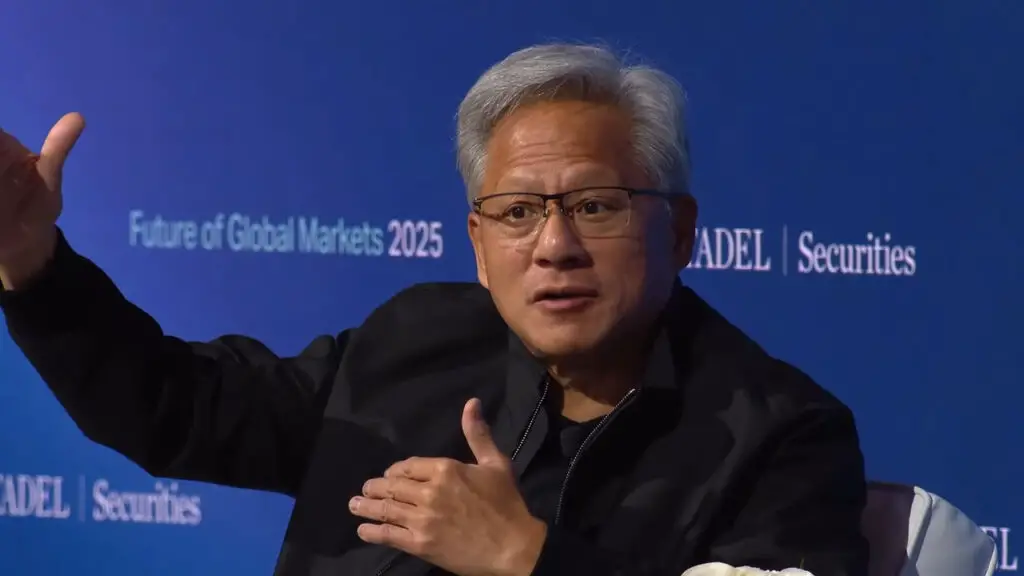
Huang underscored the profound interdependence of global economies, cautioning, “It’s important to be mindful that what harms China could oftentimes also harm America, and even worse.” He urged policymakers to prioritize strategies that genuinely serve American interests, rather than those designed to disadvantage other nations. He highlighted China’s significant contributions to AI research, noting, “China has about 50% of the world’s AI researchers, incredible schools, incredible focus in AI, lots of passion around AI.” From his perspective, it is a “mistake” to inhibit these researchers from accessing and utilizing cutting-edge American technology.
Reflecting on Nvidia’s current standing, Huang revealed the drastic consequences of existing policies: “We are 100% out of China… we went from 95% market share to 0%, and so I can’t imagine any policy maker thinking that’s a good idea, that whatever policy we implemented caused America to lose one of the largest markets in the world.” This stark declaration paints a clear picture of the commercial impact on a global tech leader.
US Export Controls and Nvidia’s AI Chip Ambitions in China
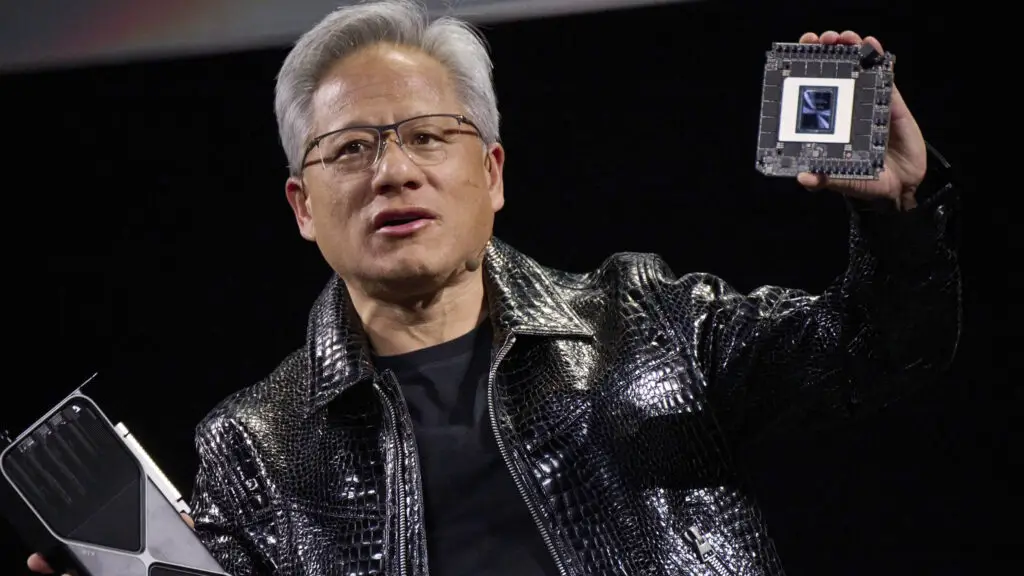
Nvidia finds itself at the epicenter of geopolitical tensions between the US and China. The landscape for Nvidia’s AI chip sales to China has been a tumultuous one. While earlier US AI chip export bans, impacting products like the Nvidia RTX 4090 GPUs, seemed to soften with government-approved licenses for their H20 AI GPUs earlier this year, this progress has since stalled amidst persistent trade dynamics between the two global powers.
Nvidia’s CFO characterized this halted progress as “a little geopolitical situation between the two governments,” indicating the company remains in an AI chip limbo concerning the vast Chinese market, despite the potential for a substantial $2 billion to $5 billion revenue opportunity.
China’s Regulatory Hurdles and the Rise of Indigenous AI Hardware
From China’s vantage point, the production of H20 GPUs was reportedly paused due to security concerns raised by Chinese authorities, effectively halting their sale within the country. Consequently, potential buyers found themselves awaiting chips that could not clear the imposed restrictions. Further complicating matters, Huang expressed his disappointment following reports that China’s internet regulator blocked some of the nation’s largest tech firms from acquiring Nvidia’s specialized, China-specific RTX Pro 6000D chips.
As Nvidia grapples with these challenges, domestic AI competitors in China, most notably Huawei, are capitalizing on the opportunity created by Nvidia’s absence. Huawei, for instance, has aggressively unveiled its next-generation Atlas 950 and Atlas 960 SuperPod AI servers, showcasing significant advancements in the AI hardware sector and positioning itself as a formidable alternative.
The situation intensified with the recent announcement of new tariffs, including a 100% duty on certain Chinese goods linked to a rare earth metal dispute, alongside fresh export controls on “any and all critical software.” These measures strongly suggest that trade friction between the two global superpowers is unlikely to de-escalate in the near future. While AI hardware might not always dominate headlines in these broader disputes, it remains a critical technology, and Nvidia’s leading AI chips continue to be largely unobtainable through legitimate channels in China.
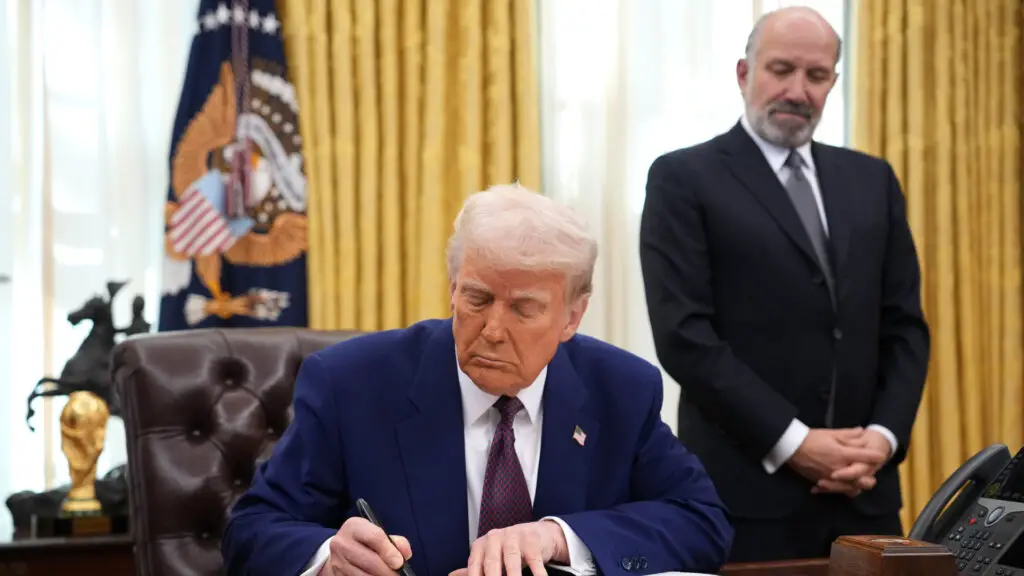
The enduring trade disputes between the US and China have erected substantial barriers for Nvidia. Despite CEO Huang’s reportedly positive relationship with the Trump administration, even the considerable influence of Nvidia, currently one of the world’s most valuable companies, appears insufficient to sway current US or Chinese government policy.
Ultimately, Nvidia’s ambitious Chinese market aspirations remain largely beyond its immediate control, intrinsically tied to the complex and evolving geopolitical landscape between these two economic giants. As tech enthusiasts and developers, understanding these dynamics is crucial for anticipating future trends and making informed decisions in the ever-changing world of technology, a mission we strive to uphold at Digital Tech Explorer.