
The rapid rise of generative AI has undeniably reshaped the job market, sparking widespread concerns about potential instability and job displacement. As tech giants like Nvidia, Meta, and X, alongside governments globally, deepen their commitment to AI, crucial questions about its long-term impact are emerging from the very top of the industry. At Digital Tech Explorer, we’re dedicated to uncovering these trends and helping our audience navigate the future of tech.
Jensen Huang’s Vision: A Resurgence in Skilled Trades
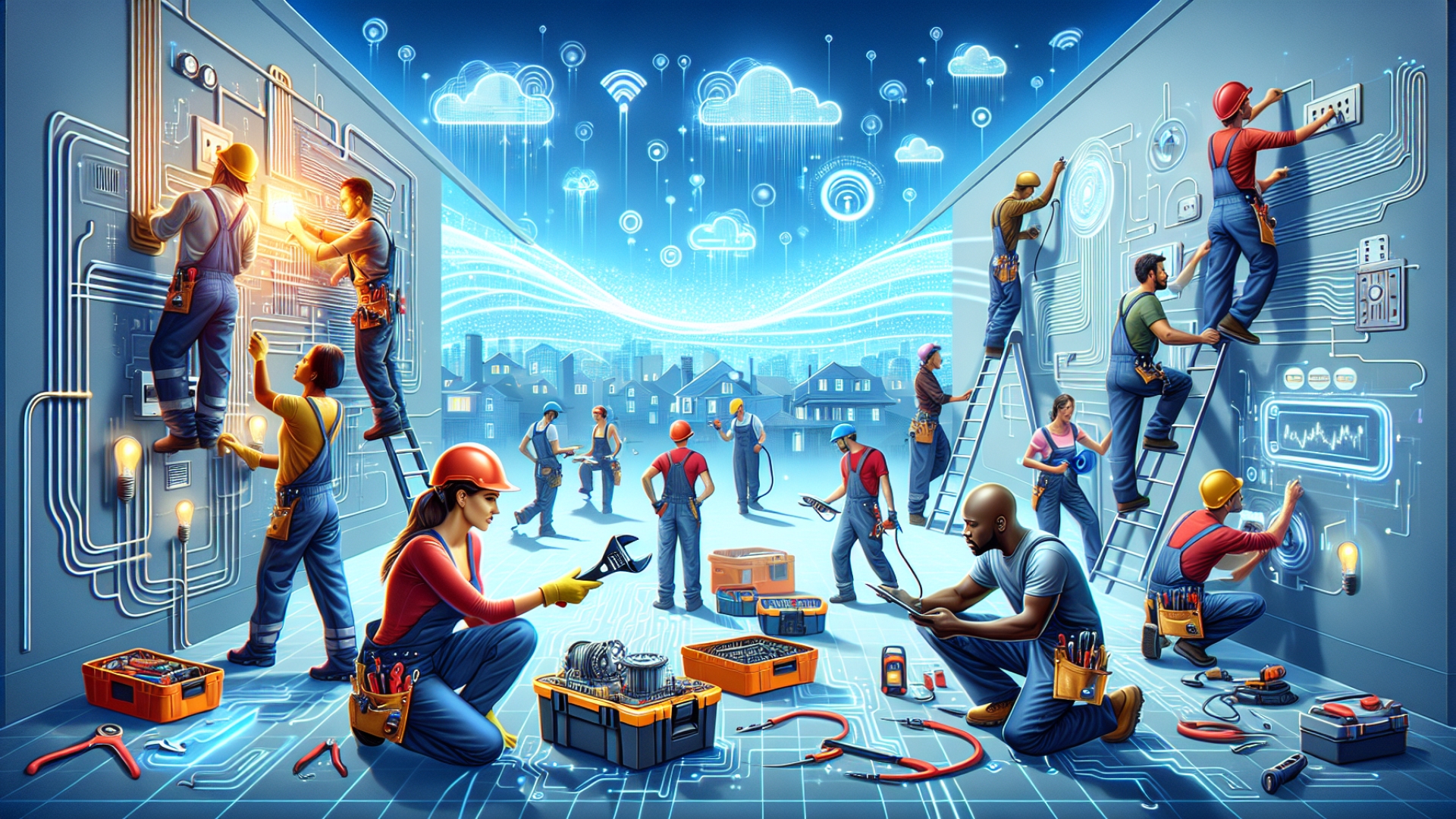
Amidst the discourse, Nvidia’s visionary CEO, Jensen Huang, recently offered a compelling perspective on the future job landscape. He predicts an exponential surge in demand for manual labor, asserting, “If you’re an electrician, if you’re a plumber, if you’re a carpenter, we’re going to need hundreds of thousands of them. To build all of these factories.” Huang elaborated on this transformative shift, stating, “The skilled craft segment of every economy is going to boom,” anticipating a continuous doubling of construction demands “every single year.” This narrative from a leading voice in tech provides a fascinating counterpoint to widespread automation fears, a topic TechTalesLeo often explores.
Nvidia’s Strategic AI Investments and Unprecedented Financial Growth
Further solidifying its commitment to AI, Nvidia recently unveiled plans for a colossal $100 billion investment in OpenAI. This strategic move is critical for securing enhanced supplies of powerful data center chips—the very backbone for training advanced AI models. This massive financial play comes on the heels of an earnings report highlighting Nvidia’s near tenfold revenue increase from AI compared to its long-standing gaming division. As a direct result, Nvidia’s stock price has soared to unprecedented highs, exceeding its value from merely five years ago by over tenfold, a testament to its dominant position in the AI and GPU markets.

Broader AI Expansion: Global Industry Trends and Government Initiatives
This explosive growth isn’t exclusive to Nvidia. We’ve witnessed OpenAI’s expenditures surge in parallel with ChatGPT’s monumental popularity, while the US government actively champions a strategy to cement “US dominance in artificial intelligence.” This pervasive technological wave even sees established PC gaming brands, such as Razer, embracing the AI revolution. Such widespread adoption, fueled by investments totaling hundreds of billions, unequivocally positions AI as a cornerstone of digital innovation for the foreseeable future, a prime example of the machine learning and blockchain technologies that often shape our content at Digital Tech Explorer.
The UK’s Strategic Imperative and Role in the AI Revolution
Pivoting to the UK’s potential in this technological renaissance, Huang underscored the critical urgency of the moment, drawing parallels to past industrial shifts: “Just as the last industrial revolution, the reason why it came about was because you needed it. And so the industrial revolution that started here in the UK came out of need. You need it now, too.” Aligning with this sentiment, the UK’s Department for Science, Innovation and Technology recently formalized an agreement with OpenAI, aiming to integrate chatbot technology into the public sector. This move signals a resolute strategy to solidify the UK’s position as an emerging AI powerhouse, a development crucial for any tech enthusiast to track.
However, beneath Huang’s optimistic forecast for skilled trades lies a profound debate regarding the fate of other sectors. His vision, as compelling as it is, doesn’t fully quell the anxieties of workers whose roles may be susceptible to AI automation. Prominent figures have voiced serious reservations: Senator Bernie Sanders unequivocally stated, “Artificial intelligence is going to displace millions and millions of workers.” Even OpenAI’s CEO, Sam Altman, acknowledged that some jobs will be “totally, totally gone,” while a former Google executive painted a picture of a “short-term dystopia,” questioning AI’s capacity to generate new employment opportunities at the same rate it displaces old ones.
While Huang assures reporters that “You’re going to be building out AI infrastructure here in the UK for a decade,” the long-term societal and economic implications for the wider workforce, beyond this initial construction surge, remain a complex and evolving narrative. As Digital Tech Explorer and TechTalesLeo continue to explore, understanding these nuances is key to navigating the unfolding AI acceleration and its impact on our global future.