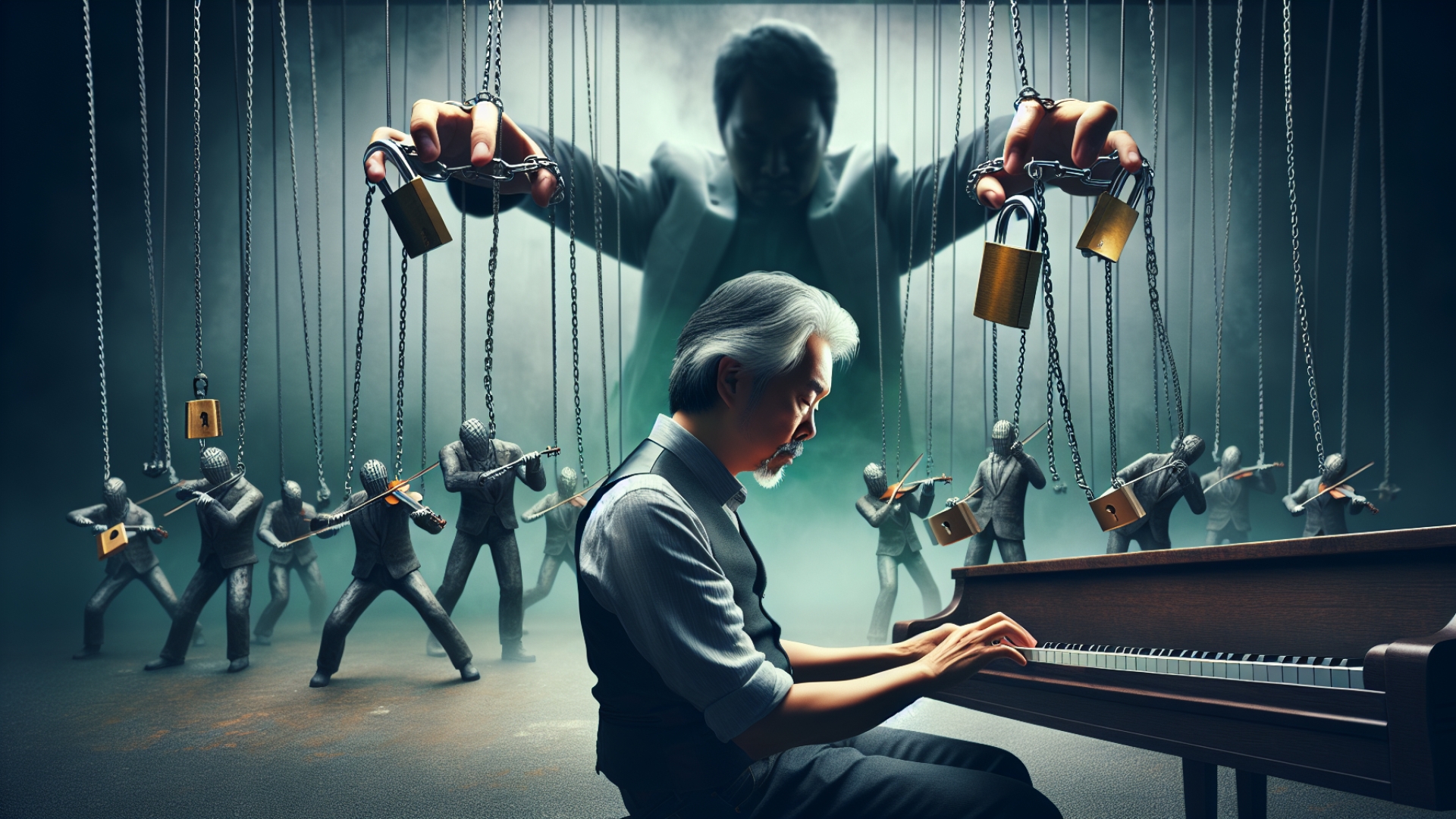
In the dynamic realm of digital entertainment, creative voices are the bedrock of immersive experiences. Recently, legendary video game composer Nobuo Uematsu, the brilliant mind behind the iconic Final Fantasy series, offered a thought-provoking perspective on the current landscape of videogame music. In an illuminating interview, Uematsu voiced concerns regarding the potential stifling of creative freedom for composers in today’s industry. “I won’t go as far as to call it stagnation, but I believe directors and producers hold too much power in their hands even when it comes to the music,” Uematsu remarked. He further elaborated that despite their profound musical knowledge and technical prowess, composers frequently face challenges in freely expressing their artistic vision, a critical insight for any creative professional in the tech space.
Historical Context and Creative Limitations in Digital Soundscapes
Uematsu drew a stark contrast between the contemporary scene and the nascent game music industry of the NES era in the 1980s. In those early days of digital entertainment, a select few composers ventured into creating game scores, a landscape that has transformed dramatically over his illustrious career. He points out a significant paradigm shift: from an era where composers received minimal direction to one where they are often steered towards a highly specific, sometimes restrictive, sonic palette. Uematsu cited a prevalent directive to “make it sound like a John Williams movie soundtrack,” reflecting a homogenization of creative output. This trend, he lamented, has led to a noticeable decline in “weird things”—the quirky, experimental sounds that once defined early game scores and pushed the boundaries of digital audio.
Uematsu’s Optimism and Strategic Advice for Modern Composers
Even with these observations, Uematsu exudes optimism for the evolving soundscape of game music. He draws inspiration from artists like Elton John, whose career exemplifies how profound creativity can harmoniously coexist with commercial success, proving that artistic integrity need not be sacrificed for market appeal. Uematsu firmly believes that composers can navigate the demands of directors and producers while steadfastly preserving their unique creative vision. His advice to aspiring talents is a call to continuous experimentation: “If you make the same stuff as John Williams and grow complacent with that, you’ll get nothing more from it,” he cautions. Instead, he encourages innovators to push boundaries, asking provocatively, “Now, what if someone put a bit of techno in there – what kind of sound would it become then? I believe that would be a good way to approach music.” This philosophy resonates deeply with Digital Tech Explorer’s commitment to fostering innovation and making informed creative choices.
While Uematsu’s insights primarily stem from his extensive experience within the Japanese game industry, his observations spark a broader discussion pertinent to global digital media. It’s crucial to acknowledge the thriving ecosystem of unique and innovative music permeating the gaming world, particularly within the vibrant independent scene—a testament to unchecked creative spirit. Here at Digital Tech Explorer, we constantly observe how indie developers push boundaries, offering exceptional examples that underscore Uematsu’s call for individuality. Consider the electrifying Sega-style beats that define Pizza Tower, the hauntingly beautiful string arrangements of the critically-acclaimed Hollow Knight, the slick, adrenaline-pumping rock tracks embedded in the award-winning roguelike Hades, or the distinctively nostalgic DOS soundcard-inflected fantasy score of Skald: Against The Black Priory. These titles collectively demonstrate how innovative sound design continues to captivate players and elevate the gaming experience, echoing Uematsu’s challenge to composers: dare to be different.