
The digital airwaves are buzzing this week as Nintendo, a titan in the gaming world, has further fortified its formidable legal arsenal. The latest addition? A highly scrutinized patent covering the mechanics of calling and battling companion characters, a move that appears to have sailed through US patent offices. This development has sparked widespread discussion among tech enthusiasts and developers, prompting Digital Tech Explorer to delve into the implications of this expanding intellectual property footprint for the future of game design.
Esteemed videogame IP lawyer Kirk Sigmon was quick to voice his strong disapproval, labeling Nintendo’s recent patent approvals “an embarrassing failure of the US patent system.” This sentiment of skepticism isn’t isolated; it’s now being echoed by a growing chorus of legal experts, notably including Don McGowan, the former chief legal officer for The Pokémon Company itself. As TechTalesLeo explores, their concerns highlight a critical debate within the industry regarding intellectual property and innovation.
Unpacking the Patent: Specifics and Industry Scrutiny
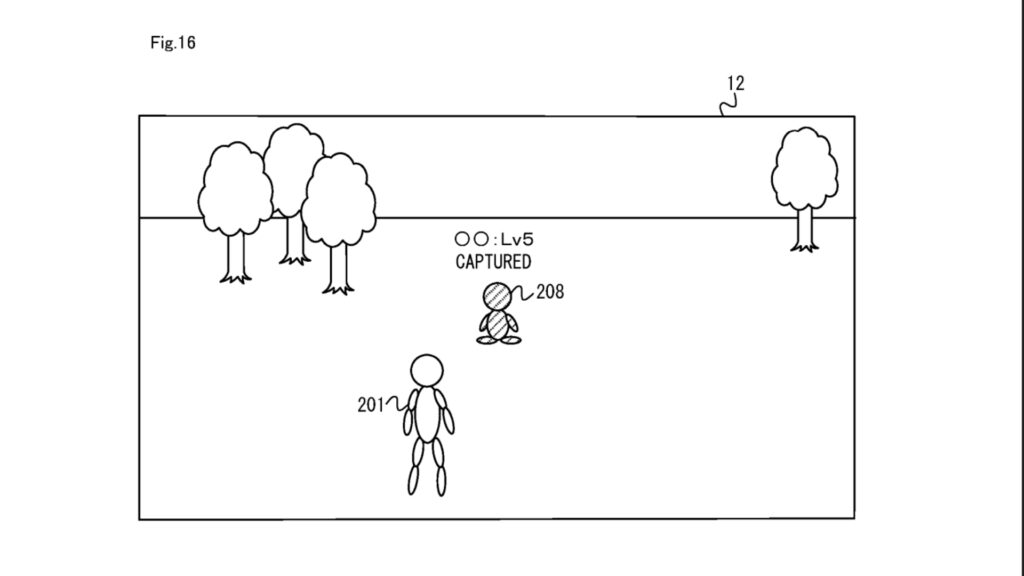
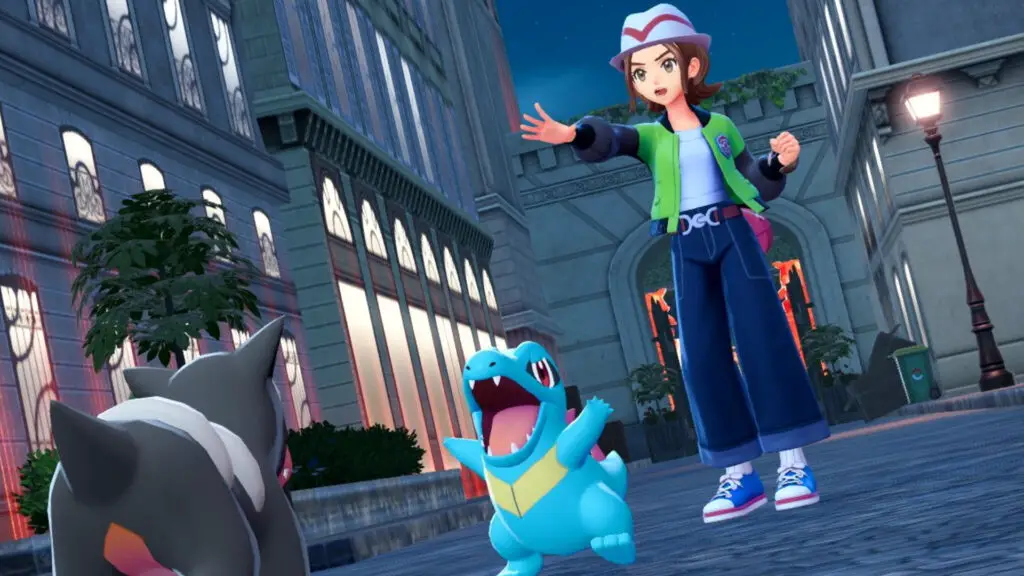
Delving into the specifics, the controversial US patent 12,403,397, like many videogame patents, employs incredibly precise language in its claims. These claims meticulously detail the mechanics behind features such as the Let’s Go! auto-battle system in Pokémon Scarlet and Violet. While such specificity typically dictates that infringement would only occur if these claims are met “word-for-word,” the validity of this intellectual property remains under a cloud of doubt. Don McGowan, the former chief legal officer for The Pokémon Company, conveyed his skepticism to Eurogamer, suggesting the patent might not withstand rigorous examination in a lawsuit due to its striking resemblances to “prior art”—existing concepts or technologies.
McGowan minces no words, stating, “I wish Nintendo and Pokémon good luck when the first other developer just entirely ignores this patent and, if those companies sue that developer, the developer shows decades of prior art. This isn’t Bandai Namco with the loading screen patent.” His comparison underscores the perceived weakness of Nintendo’s current claim, distinguishing it from patents with a stronger basis in novel invention.
The Chilling Effect: Stifling Innovation in Game Development
Even if Nintendo’s ‘397 patent were to face invalidation in a courtroom challenge, its mere existence presents a significant hurdle for smaller studios and independent developers. The immense legal costs tied to multi-million dollar patent lawsuits are often insurmountable for companies lacking Nintendo’s substantial resources. This disparity creates what is known as a “chilling effect,” discouraging aspiring creators from exploring similar mechanics.
Industry legal expert Richard Hoeg elaborated on this point to Eurogamer, explaining that intellectual property claims like this can stifle competition purely through their presence.
“The filing for such patent protection indicates that Nintendo does intend to pursue a legal strategy in defending itself against entrants in the pocket monster genre,” Hoeg observed. “However, that strategy may not always necessitate full-blown lawsuits. The ‘muddying of the waters’ created by these patents can be enough to deter investment and the creation of competing titles. Essentially, if Nintendo appears ready to pounce, that perception alone can be a powerful deterrent. No actual pouncing required.” This perspective, shared by TechTalesLeo, highlights how established players can leverage IP to shape market dynamics, directly impacting the diverse landscape of game development we cover at Digital Tech Explorer.
A Call for Reform: The US Patent System and Gaming Innovation
Richard Hoeg suggests that the approval of Nintendo’s latest patents may signal a deeper issue: US patent authorities potentially struggling to fully comprehend the intricate ways intellectual property decisions impact the fast-evolving games industry. This is a critical point for Digital Tech Explorer, as these regulatory challenges can significantly influence the pace and direction of digital innovation.
“Law and technology are often strange bedfellows, and in my opinion the patent office has appeared out of its depth on evaluating videogames for quite some time,” Hoeg stated. “It may be time for reform there.” This expert assessment underscores the need for a patent system better equipped to handle the unique nuances of software and interactive entertainment, ensuring it fosters rather unfortunate hinders the advancements and coding skills our audience at Digital Tech Explorer strives for.
In conclusion, while Nintendo’s recent patent expansion aims to protect its intellectual property, it has undeniably ignited a crucial conversation within the gaming community and legal circles alike. The concerns raised by experts like Sigmon, McGowan, and Hoeg highlight the delicate balance between safeguarding innovation and allowing for creative evolution. As developers and tech enthusiasts navigate this complex landscape, Digital Tech Explorer remains committed to providing insightful analysis and tracking trends that shape the future of our digital world. Understanding these patent dynamics is key for anyone looking to stay ahead in the ever-evolving tech and gaming industries.