
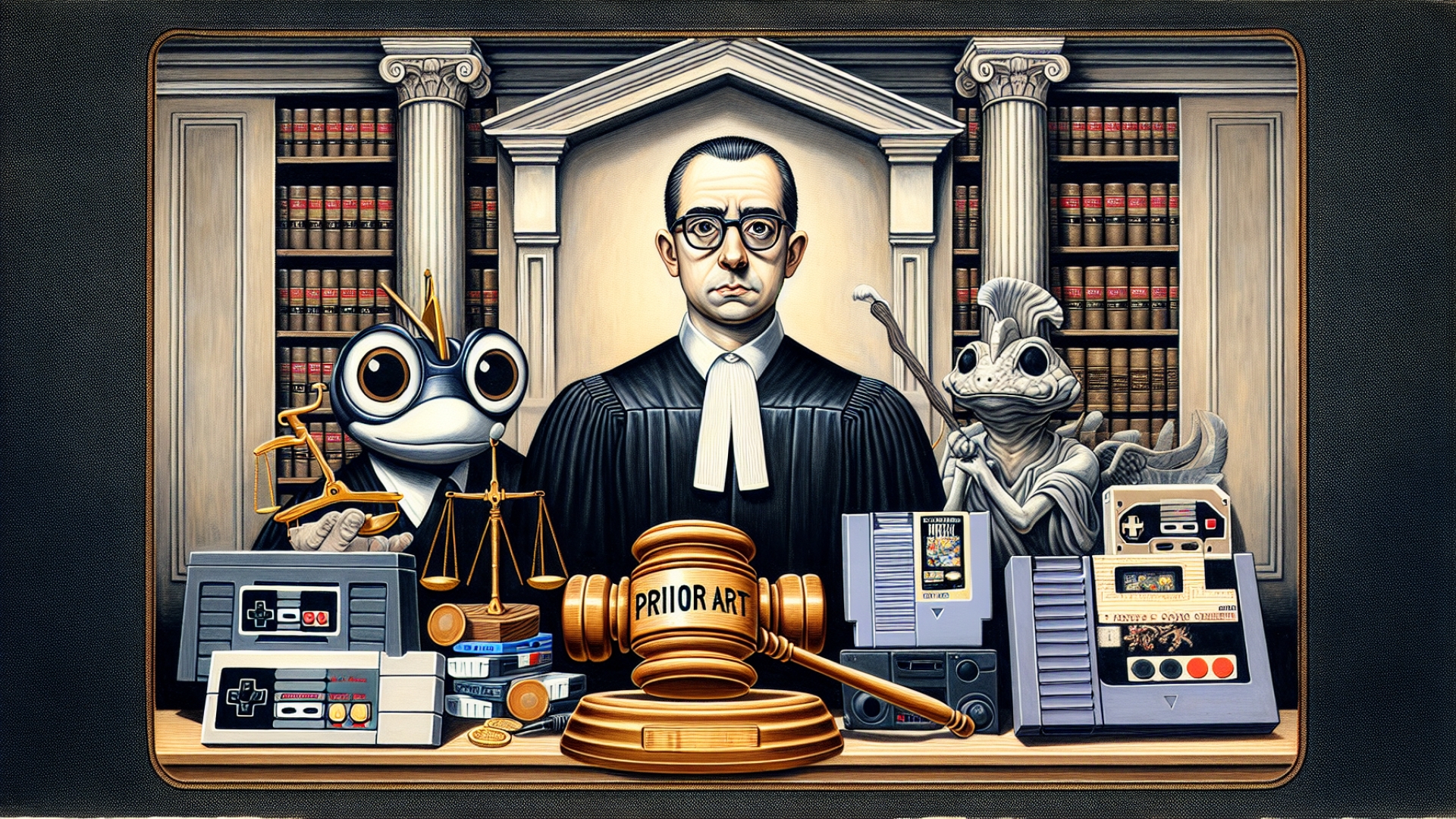
In the ongoing patent lawsuit Nintendo initiated against Palworld developer Pocketpair, a critical development has emerged, one that could significantly reshape the landscape for the modding community and broader digital innovation. As your trusted source for in-depth tech news, Digital Tech Explorer delves into Nintendo’s recent legal strategy: arguing that fan-created mods should not be recognized as prior art in a patent dispute. This move, detailed in a report by the videogame patent law site Games Fray, forms a central pillar of Nintendo’s case as Pocketpair builds its defense to invalidate the gaming giant’s patent claims.
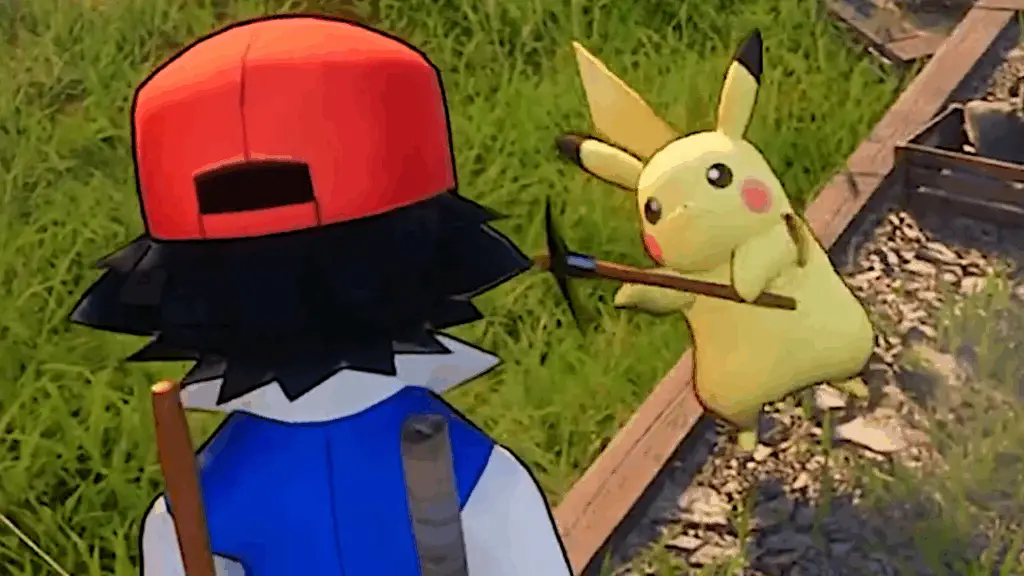
Pocketpair’s Prior Art Defense Strategy
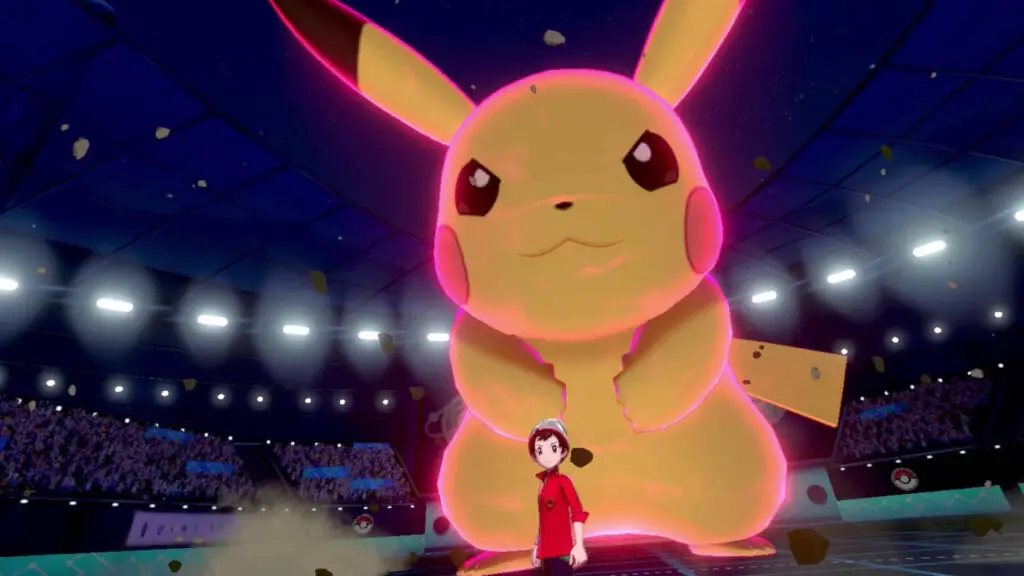
As TechTalesLeo, I find few legal strategies as compelling in patent law as the concept of prior art. This refers to any public evidence—be it an invention, knowledge, or publication—that existed before a patent application was filed, suggesting the claimed invention wasn’t novel. IP attorney Kirk Sigmon emphasizes its power for defendants, as successfully demonstrating prior art can invalidate a patent that should never have been granted. Notably, Japanese courts have a strong track record of favoring defendants who present such evidence effectively.
In its defense, Pocketpair is leveraging this principle by citing existing game mods as examples of prior art. The developer specifically points to the ‘Pocket Souls’ mod for Dark Souls 3. This mod introduced a mechanic allowing players to capture enemies, a concept strikingly similar to claims in Nintendo’s patent, JP 2023-092953. By presenting this and other modifications, Pocketpair aims to prove that the core ideas Nintendo patented were already implemented within game design, thus rendering the patent invalid and highlighting the innovative contributions of the modding scene.
Nintendo’s Controversial Stance on Mod Legality
Nintendo has sharply countered Pocketpair’s defense with an argument that has drawn considerable attention from developers and tech enthusiasts alike. According to the Games Fray report, Nintendo has asserted in two separate court pleadings that mods do not qualify as legitimate prior art. The core of Nintendo’s argument is that mods are not “real games” because they cannot function independently of the original game files they modify. This stance effectively seeks to delegitimize the vast creative and technical contributions of the entire modding community within a legal context, challenging a fundamental aspect of digital innovation.
Japanese Patent Law and the Future of Modding
Nintendo’s position appears to be at odds with the spirit and letter of Japanese patent law. Article 29 of the law specifies that a patent cannot be obtained for an invention that was “public knowledge,” “publicly known to be worked,” or “described in a distributed publication” prior to the patent application. Crucially, the law makes no distinction regarding the form of this prior knowledge. This suggests that a publicly available, functional mod could indeed qualify as valid prior art, irrespective of its dependence on a base game.
Should the Tokyo District Court accept Nintendo’s rationale, the implications could be profoundly damaging for mod creators and the broader ecosystem of digital innovation that Digital Tech Explorer champions. Such a precedent could enable a company to observe an innovative idea within a mod, patent it, and then legally pursue the original modder for patent infringement on their own creation. This would undoubtedly create a chilling effect on the creativity, collaboration, and innovation that defines the vibrant modding community, hindering tech enthusiasts from exploring new concepts and enhancing their coding skills through community projects.
This legal approach is consistent with Nintendo’s history of taking aggressive action against modders. The company has previously issued DMCA notices compelling the developers of Garry’s Mod to remove all Nintendo-related content from the Steam Workshop. Similarly, Nintendo’s copyright claims forced the developers of a popular multiplayer mod for The Legend of Zelda: Breath of the Wild to cease development, illustrating a persistent stance against fan-made content incorporating their IP.

As TechTalesLeo, I believe the fairness of Nintendo’s legal strategy is highly questionable. It not only jeopardizes Pocketpair’s defense but also threatens to undermine the legitimacy and future of the entire modding scene, a crucial incubator for talent and ideas. If successful, this argument could establish a dangerous precedent, allowing corporations to claim ownership of innovations born from community-driven creativity. For now, the gaming and modding communities, along with tech enthusiasts worldwide, can only watch as the court deliberates on this pivotal issue, anticipating how the final resolution of this lawsuit will shape digital rights and innovation for years to come. Digital Tech Explorer will continue to bring you insightful updates on this and other emerging tech trends.