
In a significant clarification for the tech and gaming communities, Nintendo has officially denied recent online rumors claiming it was lobbying against generative AI with the Japanese government. The gaming giant, known for its iconic characters and innovative hardware, issued a statement on X (formerly Twitter) to set the record straight: “Contrary to recent discussions on the internet, Nintendo has not had any contact with the Japanese government about generative AI. Whether generative AI is involved or not, we will continue to take necessary actions against infringement of our intellectual property rights.” These rumors originated from a now-deleted post by Japanese House of Representatives member Satoshi Asano, who has since offered a formal apology for not verifying the facts before making his public claim.
The AI Copyright Infringement Context
The controversy surrounding Nintendo’s stance emerges amidst a broader industry discussion, particularly following the tumultuous launch of OpenAI’s Sora 2, an AI video generation model. The model faced significant criticism when it was found generating videos that contained copyrighted content, including recognizable intellectual property from major players like Nintendo, Pokémon, and Studio Ghibli. A widely circulated example featured an AI-generated Sam Altman alongside photo-realistic Pokémon in the background, playfully stating, “I hope Nintendo doesn’t sue us.” This backlash, among other instances of copyright infringement, likely played a role in OpenAI’s subsequent adjustments to its policy regarding the use of copyrighted material within its Sora model.
Nintendo’s Evolving Stance on Generative AI
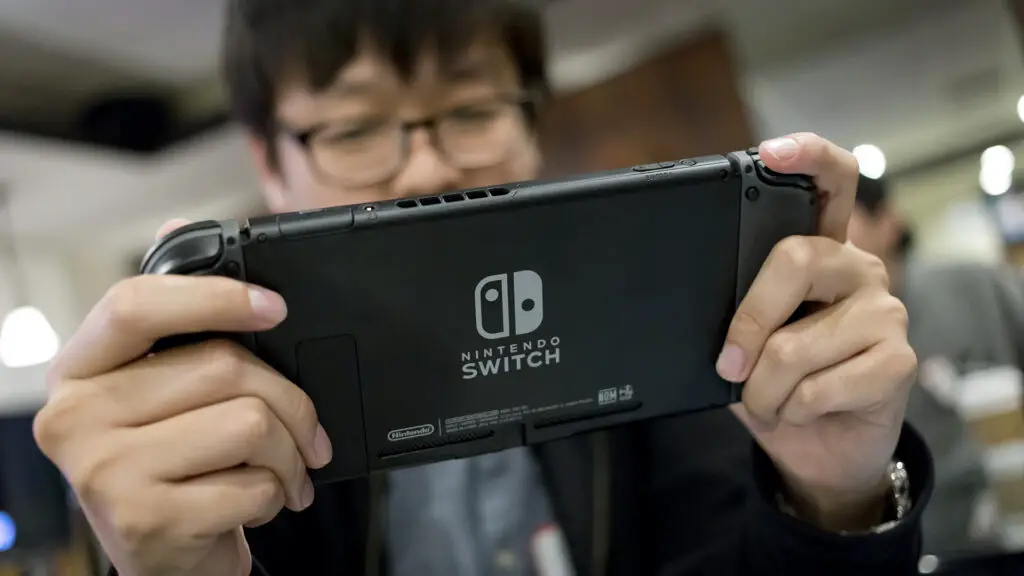
Nintendo has a long-standing reputation for fiercely protecting its intellectual property, ranging from its beloved game characters to the innovative hardware of its consoles like the Nintendo Switch. While the company’s internal approach to generative AI is still under development, it has previously voiced concerns about IP protection as a primary reason for caution. However, Nintendo president Shuntaro Furukawa has also expressed that the company is “open to utilizing technological developments,” suggesting that AI is not permanently off the table for future integration. This cautious yet optimistic outlook aligns with a broader industry trend, where reports indicate that over half of Japanese game companies are already leveraging AI in various aspects of their development processes.
Ultimately, Nintendo’s statement reinforces a critical distinction: its unwavering commitment to intellectual property protection stands independently of the technological means of infringement. For developers and tech enthusiasts following these trends on Digital Tech Explorer, this clarification from the gaming giant signals an ongoing challenge within the rapidly evolving landscape of generative AI. It highlights the delicate balance companies like Nintendo must strike—safeguarding invaluable creative assets while cautiously exploring the potential of advanced technologies. As AI continues to integrate into game development and content creation, the industry will undoubtedly keep a close watch on how these principles are applied, shaping the future of digital innovation and copyright in an AI-powered world.