At Digital Tech Explorer, we’re dedicated to helping our community of tech enthusiasts and hardware aficionados navigate the ever-evolving digital landscape. Sometimes, this involves shedding light on the darker corners of the internet, particularly the pervasive issue of online scalping and fraudulent resale practices. As TechTalesLeo, I often explore how digital innovation impacts our daily lives, and the recent revelations concerning forged celebrity autographs serve as a stark reminder of the dishonest tactics some individuals employ.
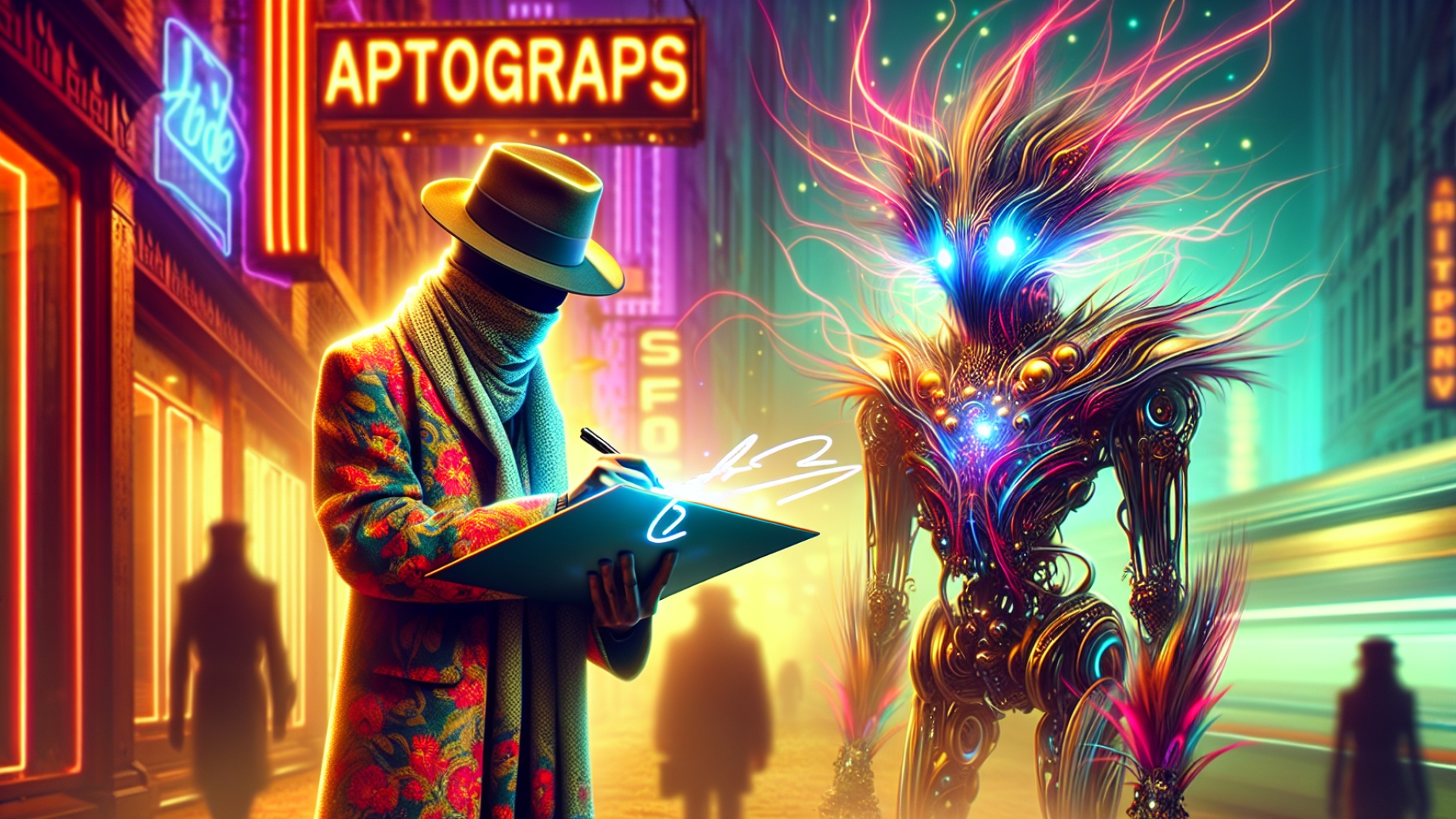
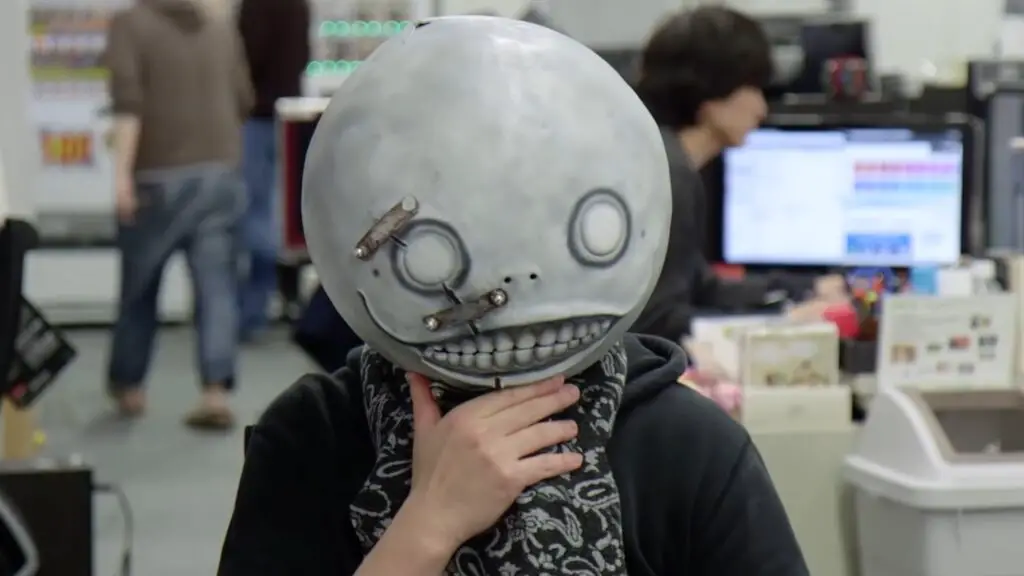
The integrity of online transactions and collectibles is paramount, especially when it comes to unique items. This was powerfully underscored by a recent X post by Yoko Taro, the acclaimed director behind the beloved NieR series. Taro highlighted a critical issue after encountering an image of a purportedly signed copy of the Nier Reincarnation OST listed for sale on Vinted. While the act of reselling a signed item isn’t inherently problematic, the authenticity of the signature itself is everything.
Taro’s statement was unequivocal: “This autograph is a fake. I include small unknown features in my real autographs to prevent reselling, so I can tell when one isn’t genuine.” He further revealed the alarming scope of the problem, adding, “I’ve confirmed that nearly half of the autographs being resold are actually fake, so please don’t buy them.” This insight from a creator directly impacted by such fraud serves as a crucial warning to fans and collectors, emphasizing the need for thorough vetting when dealing with unofficial listings. It’s a compelling example of creators actively employing their own ‘digital rights management’ for physical goods to protect their community.
Beyond Forgeries: The Broad Spectrum of Scalper Schemes
The issue of fake autographs, as illuminated by Yoko Taro, is just one facet of the complex and often nefarious strategies employed by online scalpers. At Digital Tech Explorer, we track emerging trends and digital challenges, and it’s become clear that these groups consistently devise aggressive tactics to exploit demand, often at the expense of genuine enthusiasts and consumers. These strategies extend far beyond simple price gouging, encompassing a range of manipulative and sometimes illegal activities.
Exploiting Fan Demand: Scalpers have been known to overwhelm events, such as when their aggressive behavior at a children’s exhibit forced the halt of special Pikachu card distribution. Such incidents directly harm the community of gaming and PC games collectors.
Pre-order Shenanigans: They’ve attempted to sell the promise of eagerly anticipated hardware like the Asus ROG Xbox Ally X for over $2,000, even before its official release or while it’s readily available for pre-order at half the price. This practice targets early adopters and dedicated fans of new tech releases.
Massive Quantity Acquisitions: Utilizing system vulnerabilities, groups have acquired vast quantities, such as 42,000 Pokemon TCG Phantasmal Flames products, through checkout errors on official sites, completely disrupting supply for genuine collectors.
Website Overloads and Bot Attacks: Employing bots and “abominable intelligence,” scalpers have caused temporary shutdowns of official websites, for instance, cornering the market on a new Warhammer book. This highlights their technical sophistication in market manipulation.
Selling Non-existent Products: Perhaps the most audacious, some attempt to defraud gamers by flipping non-existent RTX 5090 graphics cards for up to $7,000, capitalizing on anticipation for future hardware releases like the RTX 5090.
Capitalizing on Defunct Items: Even the rapid demise of a game can be exploited. Scalpers swarmed marketplaces like eBay, charging upwards of $25,000 for physical copies of the defunct Concord PS5 Edition, turning its rarity into a fraudulent opportunity.
These examples paint a vivid picture of how sophisticated and brazen scalping tactics have become, extending well beyond simple price hikes to outright fraud and digital manipulation. As a platform committed to digital innovation and tech trends, Digital Tech Explorer aims to arm you with the knowledge to make informed decisions and safeguard your investments in the world of gaming and tech.
It is also critical to understand that engaging in activities like faking signatures or selling non-existent products carries significant legal ramifications in many jurisdictions. The ingenious “encrypted signature DRM” approach, like that used by Yoko Taro, represents a vital defense for creators against these illicit practices, serving to protect both intellectual property and consumer trust. By staying informed and exercising caution, we can collectively work to counter these fraudulent schemes and ensure a more transparent and trustworthy marketplace for genuine tech enthusiasts and collectors.