
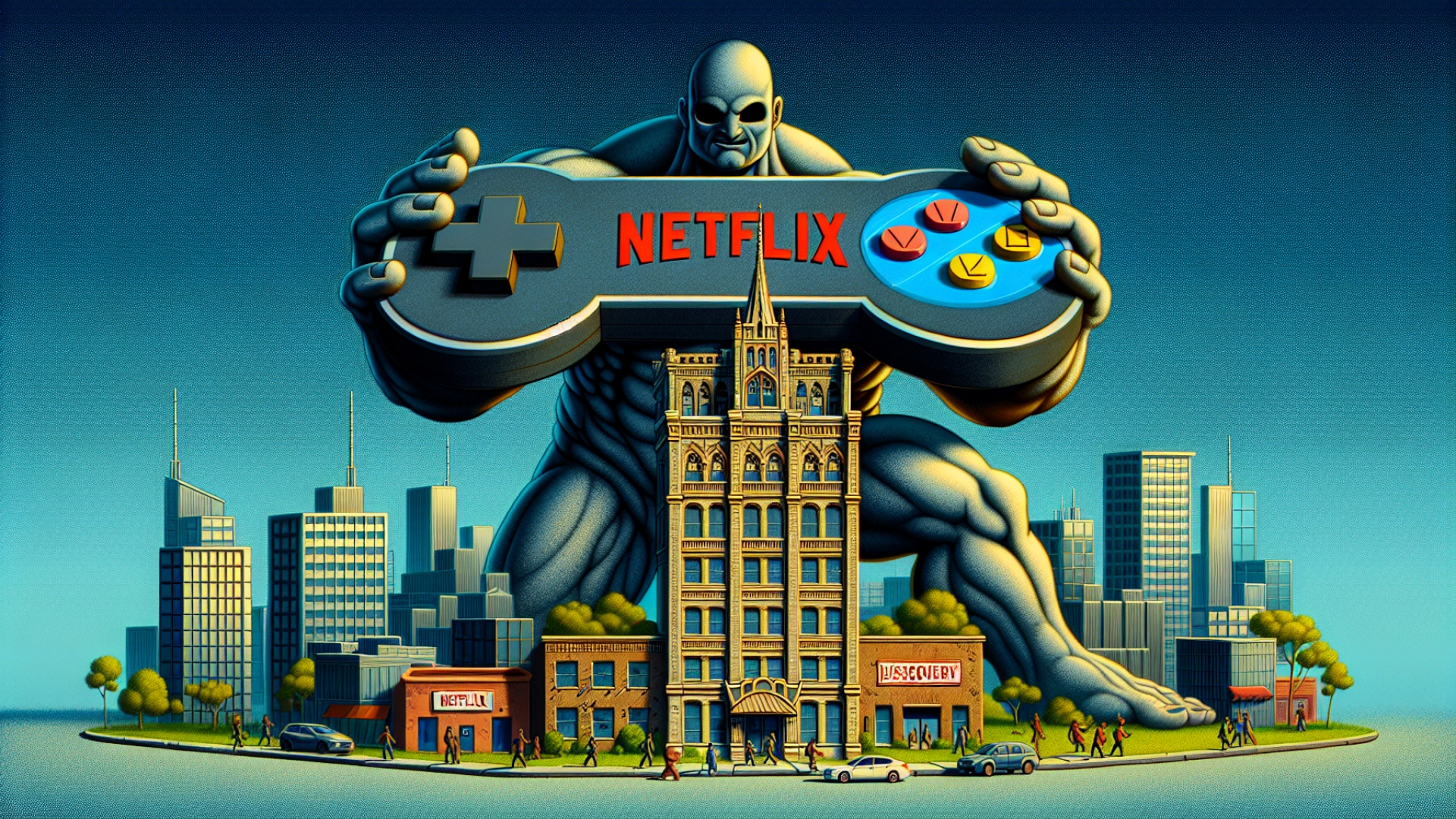
In a move that has sent ripples across the entertainment and tech industries, Netflix recently secured a monumental deal to acquire Warner Bros. Discovery for nearly $83 billion. This significant acquisition encompasses a vast array of assets, including its renowned film and television studios, the esteemed HBO and HBO Max libraries with all their properties, the expansive DC Universe, and, notably for us at Digital Tech Explorer, its remaining game studios. While the gaming community keenly eyes the fate of these studios, Netflix’s initial valuation of these considerable gaming assets was surprisingly—and notably—low.
This sentiment was underscored during a recent investors Q&A session, where a caller directly questioned whether the Warner Bros. Discovery (WBD) acquisition would genuinely bolster Netflix’s gaming ambitions. As TechTalesLeo, a dynamic storyteller and tech enthusiast, I find this particularly intriguing given Netflix’s somewhat turbulent journey into the gaming space. The company has faced its share of challenges, including the closure or sale of several studios it once championed. More recently, the focus appears to have shifted dramatically towards significant investments in generative AI for games, signaling a potential new direction.
Netflix’s Calculated Stance on WBD’s Gaming Division
Despite Warner Bros. Games’ undeniable contributions to the industry, Netflix’s co-CEO Gregory Peters provided a candid assessment. He acknowledged that while the WBD acquisition would offer some benefits to Netflix’s gaming division, it wouldn’t fundamentally alter their existing strategic roadmap. Peters stated, “While they definitely have been doing some great work in the game space, we actually didn’t attribute any value to that from the get-go because they’re relatively minor compared to the grand scheme of things.”
Peters elaborated, expressing enthusiasm for specific WBD properties: “Now we are super excited because some of those properties that they’ve built, Hogwarts Legacy is a great example of that, have been done quite well, and we think that we can incorporate that into what we’re offering. They’ve got great studios and great folks working there. So we think that there’s definitely an opportunity there. But just to be clear, we haven’t built that into our deal model.” This clarifies that while Netflix recognizes the inherent quality and potential of WBD’s game studios and their intellectual properties, their value was not a primary driver in the staggering $83 billion acquisition, a detail Digital Tech Explorer finds crucial for understanding Netflix’s long-term gaming strategy.
Warner Bros. Games: A Look at Recent Triumphs and Setbacks
Warner Bros. Games has experienced a rollercoaster of fortunes. Hogwarts Legacy emerged as an undeniable triumph, prompting the company to prioritize a sequel in early 2024. However, this success was soon overshadowed by the costly underperformance of titles like Suicide Squad: Kill the Justice League and Multiversus. These significant setbacks precipitated a major restructuring within WB Games less than six months after the ambitious sequel announcement for Hogwarts Legacy.
This restructuring led to the unfortunate closure of studios such as Monolith, Player First Games, and WB San Diego. Additionally, multiple anticipated projects were cancelled, including a reported Hogwarts Legacy expansion and definitive edition, alongside a promising Wonder Woman game. These events paint a clear picture of the volatile landscape of game development, even for established studios.
The Shifting Sands: What Awaits Warner Bros. Gaming Division?
While a Hogwarts Legacy sequel was reportedly still in development amidst the restructuring, its prioritization under Netflix remains uncertain, particularly given their stated valuation approach. Adding to the complexity, the future of Warner Bros. Discovery as a whole is far from settled. Despite Netflix winning the initial bidding war, Paramount has launched a hostile takeover bid, further clouding the ultimate disposition of Warner’s once-powerful gaming division and its valuable IPs. As Digital Tech Explorer, we will continue to monitor these emerging trends, helping you stay ahead of the curve and make informed decisions about the ever-evolving tech and gaming landscape.
For more insights into the world of gaming and to help you discover your next adventure, explore some of our top picks and guides:
- 2025 Games: This Year’s Upcoming Releases
- Best PC Games: Our All-Time Favorites
- Free PC Games: A Fest of Freebies
- Best FPS Games: Experience the Finest Gunplay
- Best RPGs: Embark on Grand Adventures
- Best Co-op Games: Gaming is Better Together
As per Digital Tech Explorer’s affiliate disclosure, some links in this article are affiliate links. This means we may earn a commission if you click through and make a purchase, at no additional cost to you. Our recommendations are based on thorough research and personal experience, aiming to provide high-quality content for tech enthusiasts and professionals worldwide.