

For tech enthusiasts and gamers following the latest releases, the anticipation around Monster Hunter Wilds has been immense. However, as TechTalesLeo at Digital Tech Explorer reports, a recent high-profile crossover event with Final Fantasy XIV, introducing a new raid boss, has inadvertently brought a critical issue to the forefront: persistent game performance problems. This update has correlated with a significant drop in the game’s Steam review scores, as players continue to grapple with optimization challenges that have plagued Wilds since its initial release, pushing long-time fans and newcomers alike to voice their frustrations.
Player Backlash on Steam and Persistent Issues
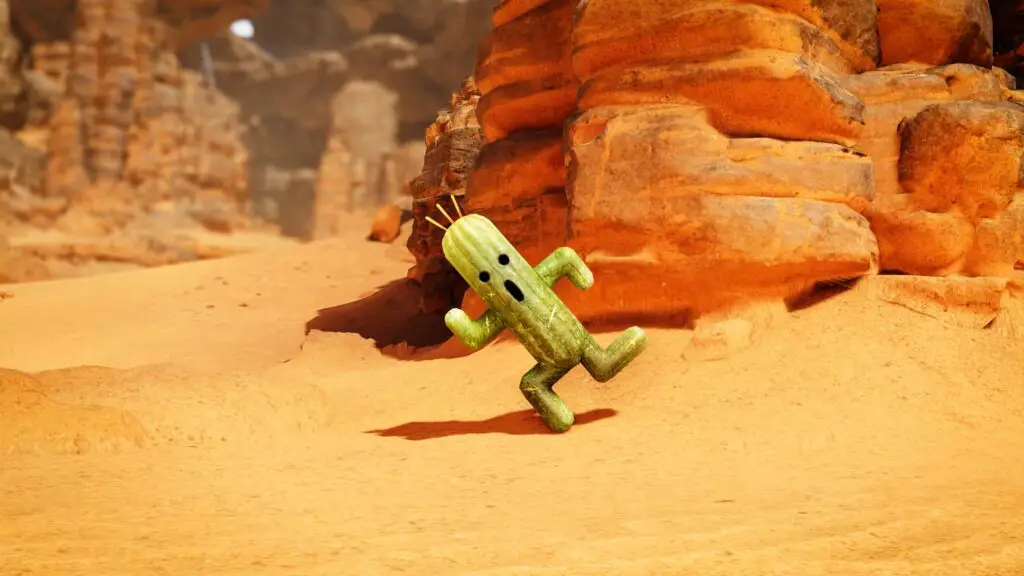
The Final Fantasy XIV crossover, launched on September 29, 2025, sparked a torrent of feedback, generating over 5,000 new Steam reviews. A staggering nearly 80% of these recent assessments are negative, painting a stark picture of player dissatisfaction. As TechTalesLeo frequently observes in digital innovation discussions, this player sentiment often begins with deep affection for the Monster Hunter series, quickly pivoting to critical comparisons with polished predecessors like Monster Hunter: World. While the game’s overall Steam standing remains “Mixed,” this wave of “mostly negative” recent reviews significantly tarnishes its reputation. Many express exasperation that persistent technical glitches, present since day one, continue to mar the experience eight months post-launch. One particularly poignant review encapsulates this, stating, “The game is fun but completely overshadowed by the technical issues, which have been here since day one.”
Specific Technical Grievances from Players
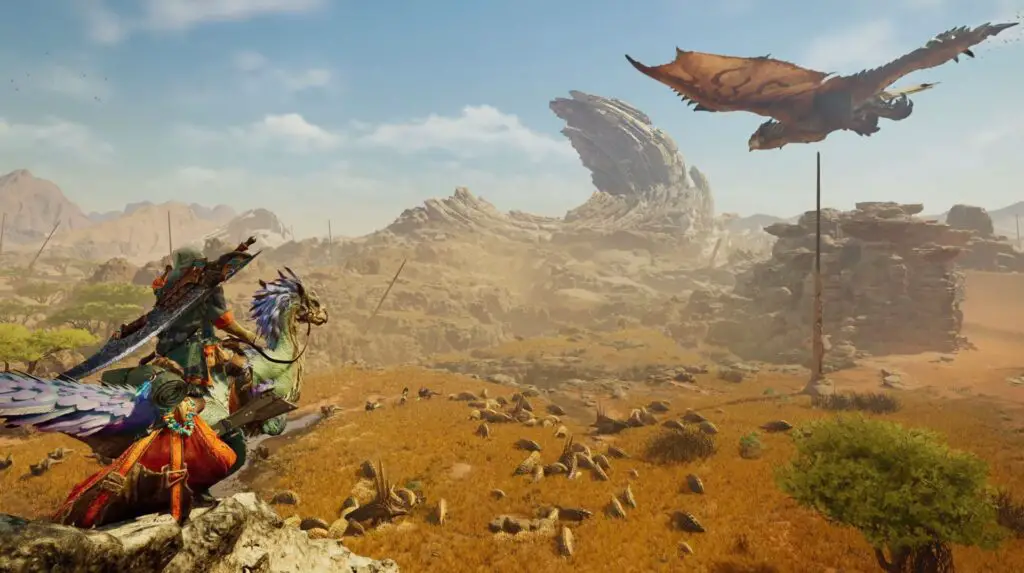
Digging deeper into player feedback, a pervasive concern among the PC gaming community is the glaring absence of robust optimization eight months after Monster Hunter Wilds‘ debut. Alarmingly, many report a degradation in performance with each subsequent update. This issue isn’t confined to modest setups; even users boasting top-tier hardware, such as an NVIDIA GeForce RTX 4090 paired with an AMD Ryzen 9 7950X3D, describe encountering frustrating “jittery gameplay” and frequent system crashes. The new FFXIV raid boss content is specifically cited for its flawed difficulty scaling and, more critically, for worsening game stability. One dedicated Monster Hunter fan, with a system featuring a “5080” and a 7800X3D, lamented their inability to recommend the title, noting that while the game runs “relatively well,” the visual fidelity at maximum settings appears “particularly blurry and bland.” This highlights a broader aesthetic disappointment, with many preferring the distinct artistic direction of prior entries over Wilds‘ often unfulfilled attempt at realism – a key point of analysis for Digital Tech Explorer when evaluating game performance and hardware utilization.
Capcom’s Promised Optimization Plan
Amidst this growing chorus of dissatisfaction, Capcom responded last month with a statement outlining a “multifaceted plan” to tackle the performance challenges. They indicated that “gradual improvements” are expected in the immediate future, with a more substantial package of “CPU and GPU related optimizations” promised for “Free Title Update 4 this winter.” A “second stage of mitigation measures” is also slated to follow. Digital Tech Explorer recognizes that such transparency is crucial, and Capcom has indeed acknowledged its awareness of the persistent PC performance issues plaguing Monster Hunter Wilds.
Despite Capcom’s assurances and a “multifaceted plan” in motion, the extended saga of performance shortcomings for Monster Hunter Wilds remains a critical point of discussion for the tech community. As TechTalesLeo often highlights, when a flagship title from a major developer, boasting over 10 million sales, struggles with basic optimization months after its February release, it raises serious questions about quality control and developer accountability. For the discerning readers of Digital Tech Explorer, who value optimal performance and a polished user experience, the expectation for Wilds is clear: deliver the smooth, optimized gameplay it deserves. Until then, the dedicated player base – and tech analysts alike – will continue to demand better from a title with such immense potential, reinforcing our mission to help tech enthusiasts make informed decisions about their investments in the digital world.