
In the expansive world of gaming, the allure of combining one of Japan’s best-selling series with the captivating monster-catching hook of Pokémon has always promised a surefire hit. Yet, few imitators have truly achieved that level of success. However, with the upcoming Monster Hunter Stories 3, Capcom appears poised to finally bestow upon its delightful RPG spin-off the scope and budget it truly deserves to shine. This vibrant, turn-based RPG series, which casts players as a budding monstie rider rather than a traditional hunter, first graced the Nintendo 3DS in 2016 before making its way to PC last year. While early entries certainly showed potential, their younger protagonists and simpler rock-paper-scissors battle system often seemed to target a younger demographic, overlooking the seasoned adults who grew up with, and still cherish, the monster-catching genre.
Evolving the Monster Hunter Stories Formula for Modern Tech Enthusiasts
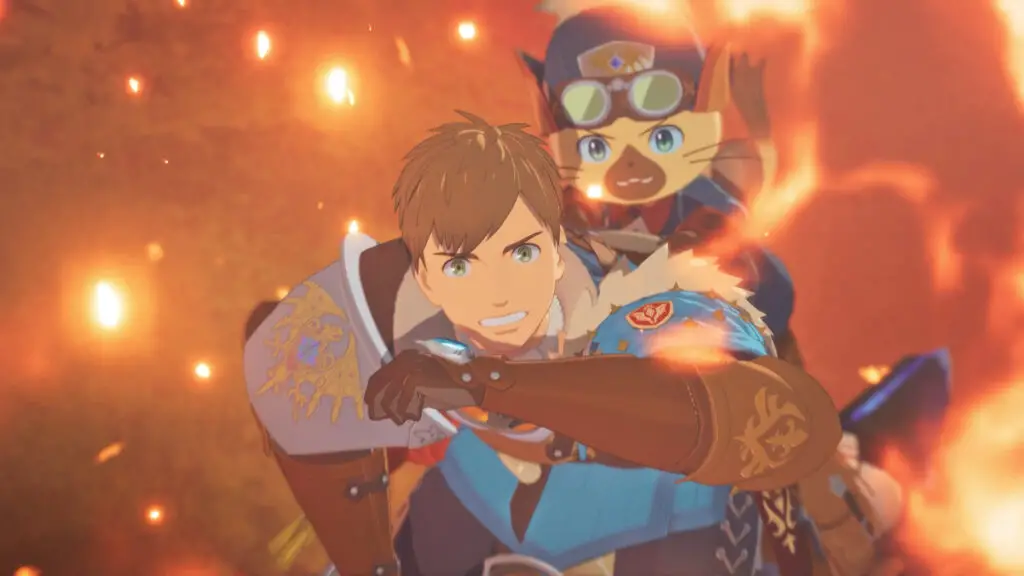
Based on our recent hands-on experience with a demo, Monster Hunter Stories 3 sets out to distinguish itself from the very beginning. The art style has undergone a significant evolution, now evoking the lush, open-world aesthetic reminiscent of Nintendo’s Breath of the Wild, a striking departure from its previous after-school anime look. Furthermore, players step into the shoes of an adult protagonist, already an experienced rider—a refreshing shift from the common “tween in training” trope. This design choice signals a broader focus, thoughtfully acknowledging the mature audience that has evolved alongside the monster-catching genre. While the core combat retains its foundational attack type advantages, it has been expanded with such intricate complexity that it feels like wielding a highly adaptable digital interface, where options fluidly shift to allow for a constantly evolving, perfectly timed attack strategy.
Deep Dive into Enhanced Combat and Exploration Systems
Our practical exploration of the demo, which expertly served as a guided tutorial, unveiled a surprising depth of systems to manage even by the initial boss fight. The new combat systems are ingeniously designed to eliminate the monotony often associated with memorizing basic monster attack patterns, encouraging dynamic engagement. Players are challenged to simultaneously track and strategize across several vital elements, demanding a blend of quick thinking and tactical planning, a true test for any tech enthusiast seeking depth:
- Accurately determining a monster’s attack type (power, speed, or technique) and executing precise counters.
- Strategically swapping your partnered monstie to leverage advantageous attack types or unique special abilities.
- Skillfully switching between diverse weapon types—such as the bow, hammer, and greatsword—to inflict specific piercing, slashing, or bludgeoning damage to vulnerable monster body parts.
- Setting up devastating combo attacks with your monster by coordinating identical attack types.
- Executing powerful team combo attacks by effectively staggering a monster.
- Building up a crucial kinship gauge with your monster to initiate a powerful ride and unleash a devastating ultimate attack.
- Adapting to how monsters dynamically alter their patterns when enraged or when buffed by a crystalline infection, which is intricately woven into the game’s evolving narrative.
While the initial demo experience was a guided, linear progression through tutorial fights and clever field “puzzles”—such as selecting the appropriate monster to fly over a chasm or ascend a cliff face—other footage has showcased far more expansive, open-ended zones ripe for exploration from the back of a soaring Rathalos. The game significantly broadens player capabilities within its overworld, introducing enhanced interactivity between monsters and their environment. This suggests a far greater strategic depth and a wider array of solutions for both battles and exploration challenges once players are free to assemble their personalized team of monsties.
While Monster Hunter Stories 3 retains its identity as the more accessible counterpart to the main series, our in-depth analysis suggests that the experiential gap is rapidly narrowing. In a compelling contrast to some mainline entries, this sequel offers a richer selection of weapons, introduces more varied and dynamic monster behaviors, and significantly expands overworld exploration. Though rich storytelling hasn’t traditionally been the flagship strength of the Monster Hunter franchise, our expert review indicates a strong potential for this title to become the breakout hit for the Stories lineage, much as Monster Hunter: World redefined the main series. It appears finely tuned to transcend its niche audience, poised to captivate the broader community of Pokémon aficionados and general RPG enthusiasts alike.
Though Monster Hunter Stories 3 might possess too earnest a heart to chase the meme-driven virality of a game like Palworld, the latter’s immense success undeniably proved a crucial point: there is a significant, eager audience yearning for deep, engaging monster-catching adventures. As the Pokémon series continues its journey, many of its most dedicated fans express a growing dissatisfaction with the evolving quality of recent entries. For those tech enthusiasts and gamers seeking an exciting new frontier, an informed decision points towards Monster Hunter Stories 3 as a compelling new chapter, ready to offer them an exhilarating ride into a meticulously crafted world.