Here at **Digital Tech Explorer**, we’re always tracking groundbreaking **digital innovation** that reshapes our perception of established technologies. For many **tech enthusiasts**, **e-paper displays** evoke images of static e-readers and slow refresh rates. However, a revolutionary open-source solution, the crowdfunded
Modos Paper Monitor and Dev Kit, is poised to shatter that stereotype. Its creators claim a remarkable refresh rate of up to 75 Hz for certain e-paper displays, an achievement that could unlock entirely new applications. As Modos cofounder Alexander Soto enthusiastically shared with IEEE Spectrum, the included display controller’s “open sauce” design means this performance boost isn’t limited to their specific panel. This commitment to **open-source hardware** and high-performance **e-paper technology** is exactly the kind of exciting development TechTalesLeo loves to bring to our readers.
Modos Technology: Features and Expanding E-Paper Horizons
At its core, **e-paper** (or **electrophoretic displays**) relies on electric fields to manipulate charged particles within a fluid, mimicking the experience of ink on paper. This inherent design provides unparalleled readability, high contrast, wide viewing angles, and excellent clarity under direct sunlight – qualities highly valued by **developers** and users seeking eye-friendly screens. Yet, as TechTalesLeo has often observed in the evolution of display **hardware**, the traditional Achilles’ heel of e-paper has been its refresh rate, typically hovering around 10 Hz, relegating it mostly to static text and images.
It’s precisely this long-standing limitation that the
Modos Paper Monitor and Dev Kit addresses head-on. Through a meticulously engineered custom driver board and display adapter, Modos has unlocked new performance ceilings. Central to this breakthrough is
Caster, an innovative, **open-source display controller**. This isn’t just a piece of **hardware**; it’s a testament to smart **coding** and design, purpose-built by Modos Labs for achieving remarkable **low-latency** and **high refresh rate** capabilities on e-paper screens, a feat many thought impossible.
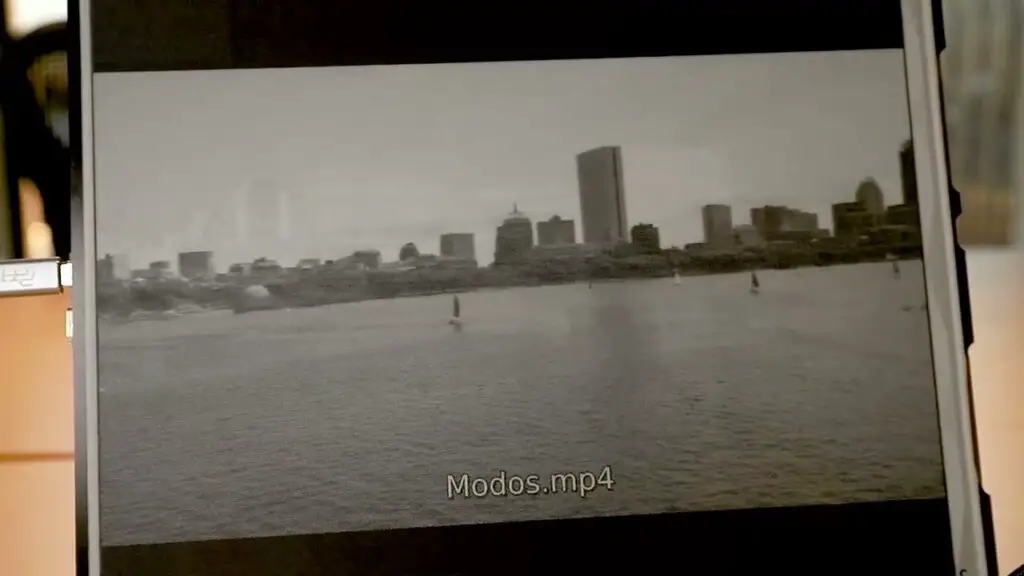
Beyond raw speed, Modos’ technology incorporates intelligent output optimization through various modes. A prime example is the **Hybrid Greyscale Mode**, which dynamically toggles between a rapid binary mode for swift screen updates and a more deliberate greyscale mode for richer, detailed rendering. This adaptive approach enables the display to achieve a fast initial update, followed by a refinement of image quality as the content stabilizes, culminating in a significantly faster perceived refresh rate that truly enhances user experience.
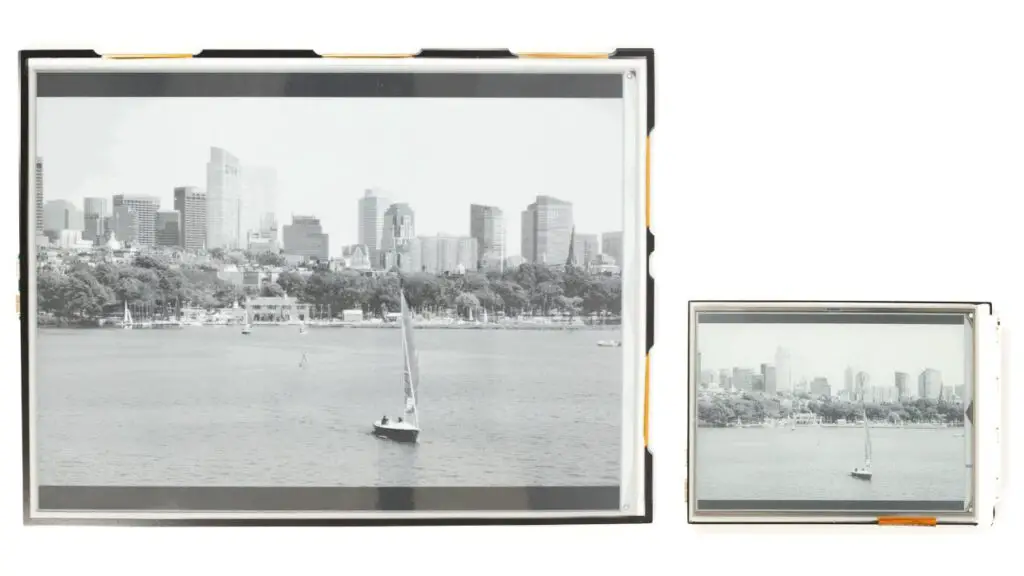
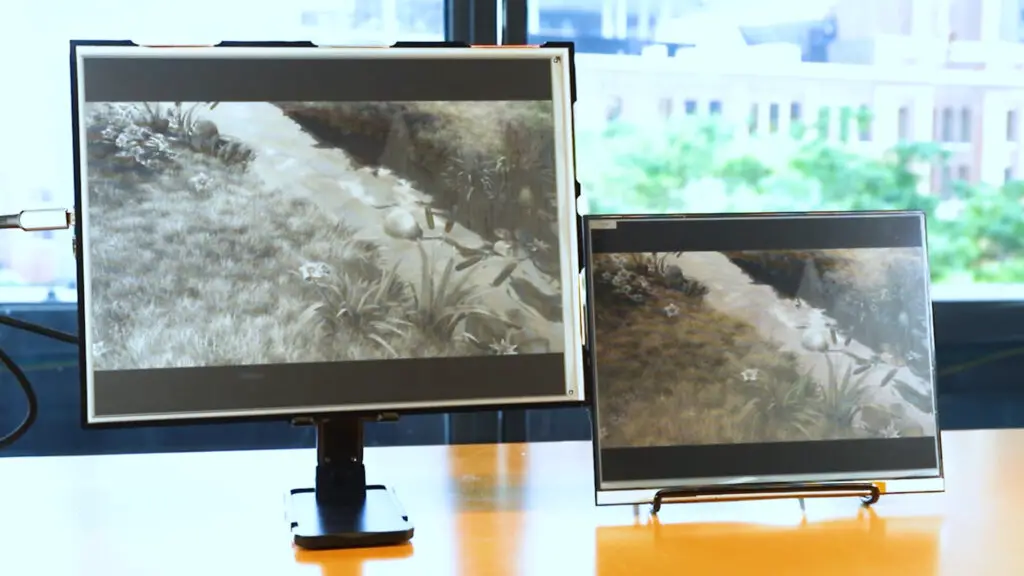
One of the most appealing aspects for **developers** and **hardware** tinkerers, fitting the ethos of **Digital Tech Explorer**, is the kit’s broad compatibility. Modos confirms support for a wide array of e-paper screens, spanning sizes from 6-inch to 13.3-inch, and encompassing both monochrome and color variants. For those looking to delve deeper into its potential, a comprehensive
list of potentially supported displays, along with the foundational **coding scripts** for the **open-source** Glider project, is readily accessible on the company’s GitHub page.
For **gaming enthusiasts** and those exploring new frontiers in visual experiences, the notion of **gaming** on a **75 Hz e-paper panel** is nothing short of fascinating. While titles with a greyscale aesthetic, such as *Return of the Obra Dinn*, are an obvious match, this technology opens up exciting possibilities for point-and-click adventures or even certain fast-paced **PC games**. As **TechTalesLeo** often highlights, true innovation broadens our horizons, and this kit exemplifies an **emerging technology trend** worth watching. The successful Crowd Supply campaign, having surpassed its $110,000 goal with over $128,000 raised, underscores strong community interest. For **developers** and curious minds eager to experiment with this cutting-edge **hardware**,
preorders for the **6-inch dev kit** are available starting at $199 – a compelling entry point for exploring the future of e-paper.