
Xbox’s Hardware Future: Microsoft Reaffirms Commitment Amidst Evolving Gaming Landscape
In the dynamic world of technology and gaming, clarity can often be elusive. Recent reports from outlets like Windows Central have brought Microsoft’s stance on its hardware future into sharp focus. Despite fluctuating sales for its Series X and S consoles and ongoing industry speculation, Microsoft has definitively stated its continued investment in the hardware market, dispelling rumors of a complete pivot towards cloud gaming or exclusively PC-like devices such as the anticipated Xbox ROG Ally.
“We are actively investing in our future first-party consoles and devices designed, engineered and built by Xbox,” the company affirmed in a statement to Windows Central on October 5. This declaration follows previous commitments, including a notable partnership announcement with AMD, signaling a clear direction for next-gen Xbox hardware.
This official statement comes amidst a backdrop of persistent rumors that Xbox’s hardware future was “up in the air.” As we’ve observed across the industry, several factors have fueled these speculations and contributed to a perceived de-emphasis on traditional console hardware:
- The performance of the Series consoles in the market.
- Significant high-profile studio closures within Microsoft’s ecosystem.
- The apparent diminishing returns from Game Pass and its recent price adjustments.
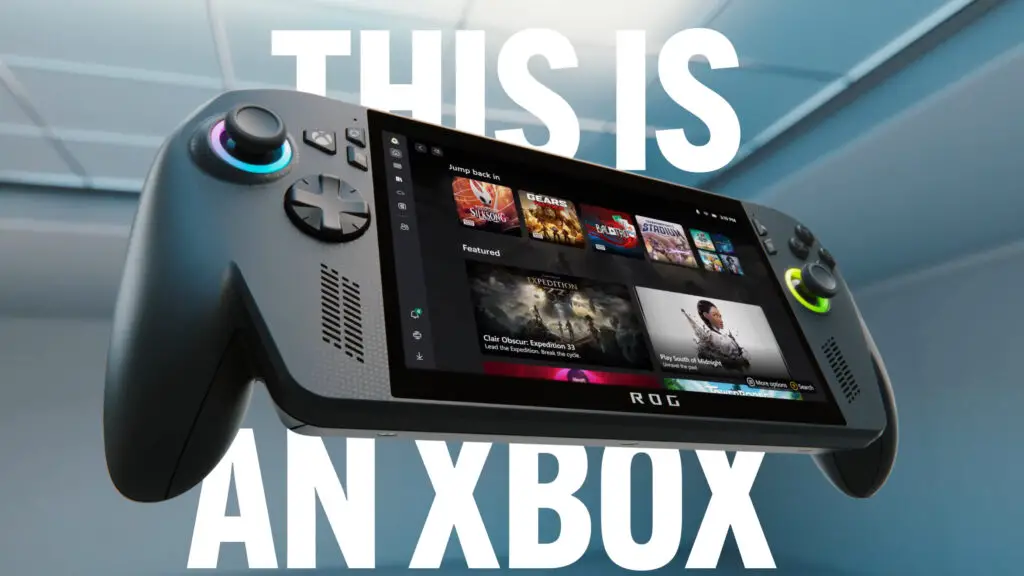
- A pronounced multiplatform shift, evidenced by day-and-date PC (and some PS5) releases, the expansion of PC Game Pass, and marketing efforts like the “This is an Xbox” tagline, often applied to Windows-based devices such as the original Xbox ROG Ally.
For many tech enthusiasts and developers, concerns over Xbox’s stability are understandable, given its deep ties to numerous beloved game studios. Microsoft’s public commitment to new hardware, reiterated through this statement and its partnership with AMD, offers a glimmer of reassurance. However, as we consistently highlight at Digital Tech Explorer, true confidence often stems from sustained transparency and clear strategic communication, areas where Xbox has faced challenges.
The very definition of what constitutes an “Xbox console” appears to be evolving, aligning with our platform’s focus on emerging digital trends and hardware innovation. As discussions on Digital Foundry podcasts suggest, could devices like the Xbox ROG Ally X reshape our understanding of a console? What if the next-generation home system from Microsoft manifests as an Xbox-branded, Windows-based living room PC, effectively a modern Xbox Steam Machine? These possibilities underscore a fascinating shift in the hardware market, blurring lines between traditional consoles and high-performance gaming PCs.
There’s always the possibility of strategic pivots or cancellations in such a fluid industry. Windows Central has cited anonymous accounts regarding a scrapped first-party handheld (distinct from the Asus-partnered Ally) and an abandoned cloud-based console project. At Digital Tech Explorer, we understand the critical importance of trust in the tech sphere, especially when a significant portion of the games industry, particularly North American triple-A development, is deeply intertwined with the health and growth of a brand like Xbox. Our mission is to continue providing thorough research and insightful analyses to help tech enthusiasts navigate these complex shifts.

Dive Deeper into Gaming and Hardware with Digital Tech Explorer
For more in-depth reviews, expert analyses, and the latest news on gaming hardware and software, explore our extensive library of content:
- Upcoming Game Releases: Stay ahead with our guide to the most anticipated titles.
- Top PC Games: Discover our curated list of all-time favorites.
- Best Free-to-Play Games: Unlock hours of entertainment without the cost.
- FPS Game Reviews: Master the finest gunplay with our insights.
- Epic RPG Adventures: Embark on grand narratives and immersive worlds.
- Co-op Gaming Experiences: Find the best games to play with friends.
This article was crafted by TechTalesLeo, a dynamic storyteller passionate about making technology accessible and intriguing for our global audience of tech enthusiasts.