
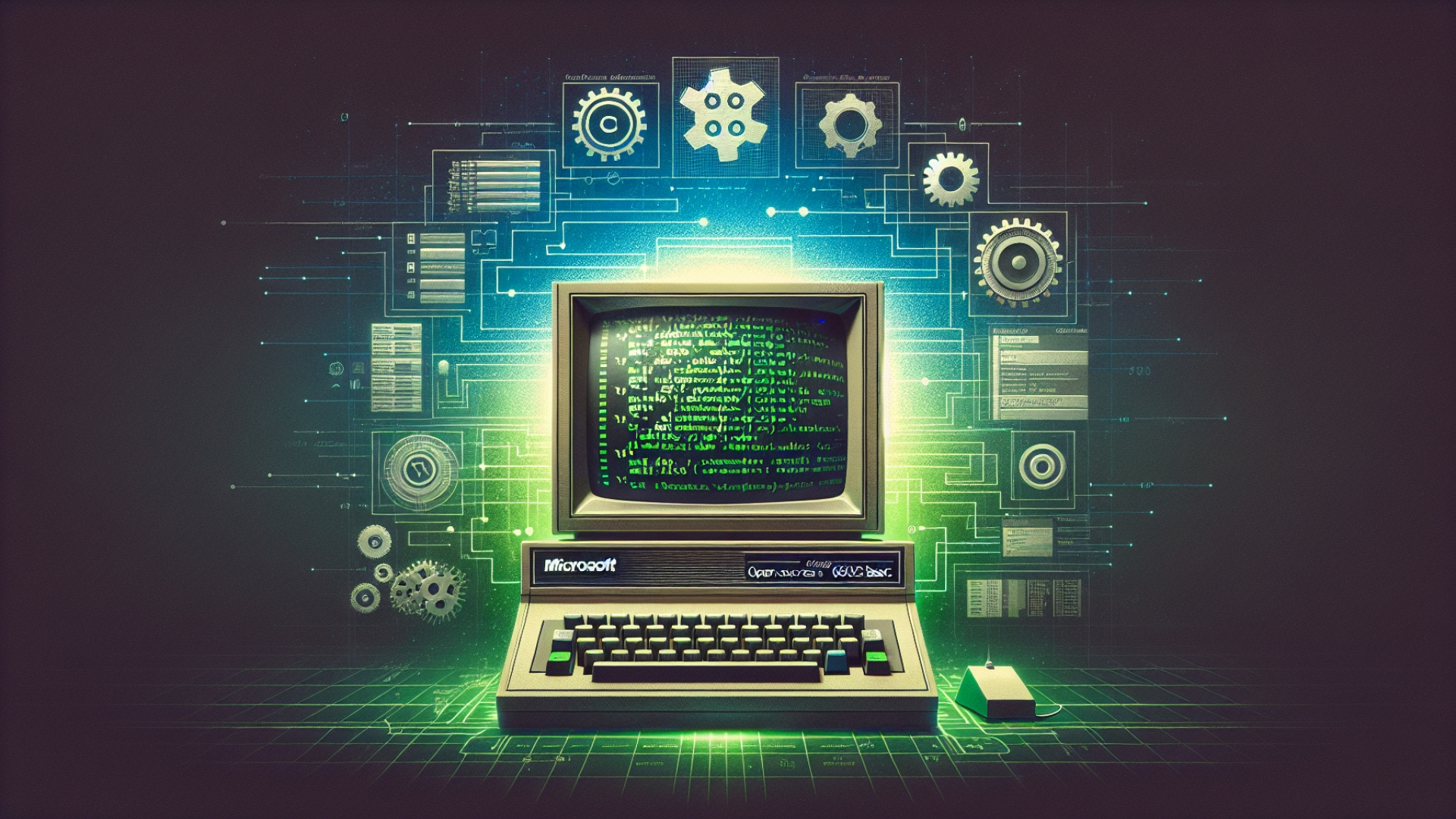
At Digital Tech Explorer, we’re always keen to unearth compelling stories from the annals of technology. Recently, software giant Microsoft has been on a fascinating journey, opening up the archives and releasing the source code for some of its foundational operating systems under MIT open-source licenses. Following in the footsteps of classics like MS-DOS and GW-BASIC, another significant piece of computing history has now been added to the collection. This latest release is particularly special, a deep dive into the very early days of personal computing, featuring a version of Microsoft’s first-ever software product.
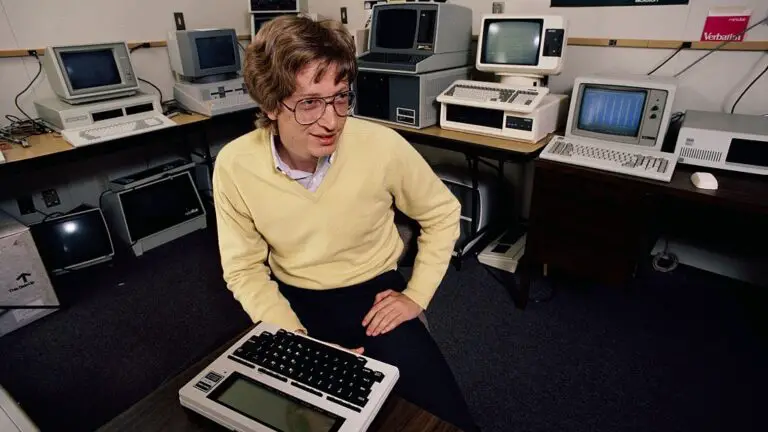
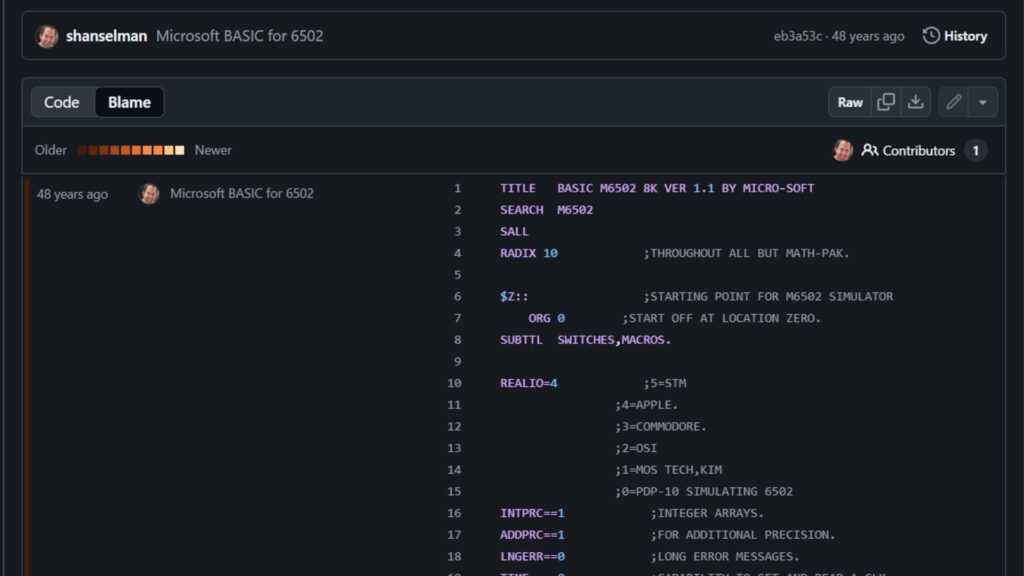
What we’re looking at is a port of BASIC, the groundbreaking operating system developed by Microsoft founders Bill Gates and Paul Allen for the Intel 8080-powered Altair 8800. As detailed in a Microsoft blog, the version now made available on GitHub was specifically crafted for computers utilizing MOS Technology 6502 processors.
The MOS 6502 Processor: A Catalyst for Early Computing
Both the Intel 8080 and the MOS 6502 were pivotal 8-bit CPUs, launched in 1974 and 1975, respectively. While the 8080 might have offered slightly more capability, the 6502 distinguished itself through its significantly lower cost. This affordability made it the processor of choice for a multitude of pioneering computer and console manufacturers, including Acorn Computers, Apple, Atari, Commodore, and Nintendo. Its widespread adoption undeniably fueled the burgeoning personal computer revolution.
Recognizing the 6502‘s immense potential, Bill Gates and Ric Weiland diligently engineered a dedicated port of BASIC for this processor. This version became particularly famous through its licensing to Commodore for use in their iconic PET computer, and subsequently the VIC-20 and C64. Commodore further refined certain aspects, notably improving garbage collection. It is this enhanced version of 6502 BASIC that developers and enthusiasts can now freely access, modify, and utilize, offering a direct link to the foundational software of early home computing.
Exploring the 6502 BASIC Assembly Code
Delving into the source code, one quickly realizes its historical depth. Created nearly five decades ago, the code is entirely in assembly language. For those unfamiliar with the intricacies of the MOS 6502 architecture or assembly programming in general, navigating its almost seven thousand lines can be a significant challenge. Yet, for experienced developers and retro computing aficionados, this repository offers an invaluable educational resource and a fascinating glimpse into the efficiency and constraints of programming during that era.
Reflecting on Microsoft’s Historical Claims about BASIC
The GitHub repository accompanying the release also features concise statements highlighting the cultural impact, technical innovation, and enduring legacy of 6502 BASIC. Microsoft, for instance, asserts it was “the first programming language for countless programmers who later became industry leaders” and that its “BASIC became the de facto standard for personal computer programming.”
As , I find these claims largely resonate with the historical reality of the late 1970s and early 1980s. However, some assertions, such as “Without this software, the personal computer revolution might have developed very differently,” invite a more nuanced discussion. While Microsoft’s BASIC was undoubtedly influential, it’s also true that the broader evolution of programming languages and hardware platforms was a complex tapestry of innovation.
The Broader Legacy of BASIC and Microsoft’s Role
It’s important to remember that BASIC itself had already begun to shape the computing landscape long before Microsoft entered the scene, originating in the early 1960s. Its inherent simplicity and user-friendliness, a stark contrast to earlier languages like Fortran and COBOL, naturally positioned it as the go-to programming language for accessible computer systems.
While Microsoft’s BASIC certainly became the dominant standard for the microcomputers of the late 70s and early 80s, the notion of it being an irreplaceable cornerstone of the revolution is debatable. Had Microsoft not created it, it is highly probable that another equally capable, or perhaps even superior, implementation would have emerged. The widespread adoption of MS-BASIC speaks volumes not just about the software’s quality, but also about Microsoft’s early strategic prowess as a company—a compelling story we at Digital Tech Explorer may explore in more detail another time.
A Nod to History: Learning and Exploration
Putting historical debates aside, the release of 6502 BASIC‘s source code by Microsoft is a commendable act. While perhaps a long time coming, it provides invaluable resources for anyone passionate about retro computing, 8-bit architectures, and the evolution of software. For developers and tech enthusiasts, it’s a new frontier to explore, learn from, and perhaps even build upon.
As someone who first delved into programming with Sinclair BASIC during the exciting dawn of the UK home computer boom in the 1980s, I find this release particularly nostalgic. It’s a powerful reminder of how far we’ve come and the foundational steps that paved the way. I’m certainly looking forward to quietly scrolling through this foundational assembly code, picking out insights that illuminate the origins of modern computing.
Explore More Tech History with Digital Tech Explorer
Stay informed about groundbreaking tech developments, historical insights, and coding innovations by subscribing to our updates. Discover more content like this on Digital Tech Explorer, where we make technology both educational and entertaining for developers and tech enthusiasts worldwide.