

In a significant move for gaming history and software preservation, Microsoft has officially made the legendary text adventure game Zork and its iconic sequels, Zork I, II, and III, open source. The original trilogy, a sprawling narrative that captivated a generation, is now freely available under an MIT License. This initiative ensures that the foundational code of these interactive fiction masterpieces will live on, offering both nostalgic fans and aspiring developers a unique glimpse into the past of digital storytelling and game design.
Microsoft’s ownership of the Zork license stems from its acquisition of Activision, which had previously secured the intellectual property when it purchased Infocom in the 1980s. This commendable step to open-source the Zork trilogy is a collaborative effort involving Microsoft, the Xbox Team, Activision, and notably, Jason Scott, a distinguished digital archivist at the Internet Archive. Their combined vision underscores a commitment to preserving the rich history of digital innovation for future generations of developers and gaming enthusiasts.
Unpacking the Zork Open Source Release
While code repositories for Zork I, Zork II, and Zork III have unofficially existed on GitHub for several years, Microsoft’s announcement brings official recognition and clarity. In a detailed blog post explaining its decision to formally make Zork open source, Microsoft clarified its approach: rather than creating new repositories, it has “officially submitted upstream pull requests to the historical source repositories.” These pull requests crucially “add a clear MIT License and formally document the open-source grant,” solidifying the legal framework for the code’s use and distribution.
Microsoft also thoughtfully emphasizes that this license pertains exclusively to the source code, clearly stating it “does not include commercial packaging or marketing materials.” This distinction is vital for developers and hobbyists, ensuring they understand the scope of their usage and the original intent behind the preservation effort.
An SEO Content Master’s View: The Writing Style of Microsoft’s Announcement
As a seasoned observer of digital content and innovation, one can’t help but notice the particular writing style of Microsoft’s official announcement regarding the Zork open-source initiative. While the move itself is highly commendable and resonates deeply with Digital Tech Explorer’s mission to educate and engage, the narrative voice in the announcement raises questions pertinent to modern content creation. The text exhibits characteristics often associated with AI-generated writing, marked by a saccharine, often dreamlike tone and specific sentence structures that have become hallmarks of generative models.
Phrases like “When Zork arrived, it didn’t just ask players to win; it asked them to imagine” are eloquent but, when analyzed, echo common AI stylistic patterns. Such instances, occurring multiple times within the text, lead one to ponder the increasing integration of AI systems in even official communications. Given Zork’s renowned legacy for its intricate, world-building prose—words that “built worlds more vivid than most games of their time”—the use of a generative AI, a technology sometimes associated with challenges like plagiarism concerns, to articulate this historic release feels ironically disconnected from the very essence of Zork’s literary craftsmanship. It’s not to say the entire text is AI-generated, but the tell-tale signs suggest it may have been processed through or influenced by an AI system at some stage.
Zork and the Evolving Landscape of Generative AI
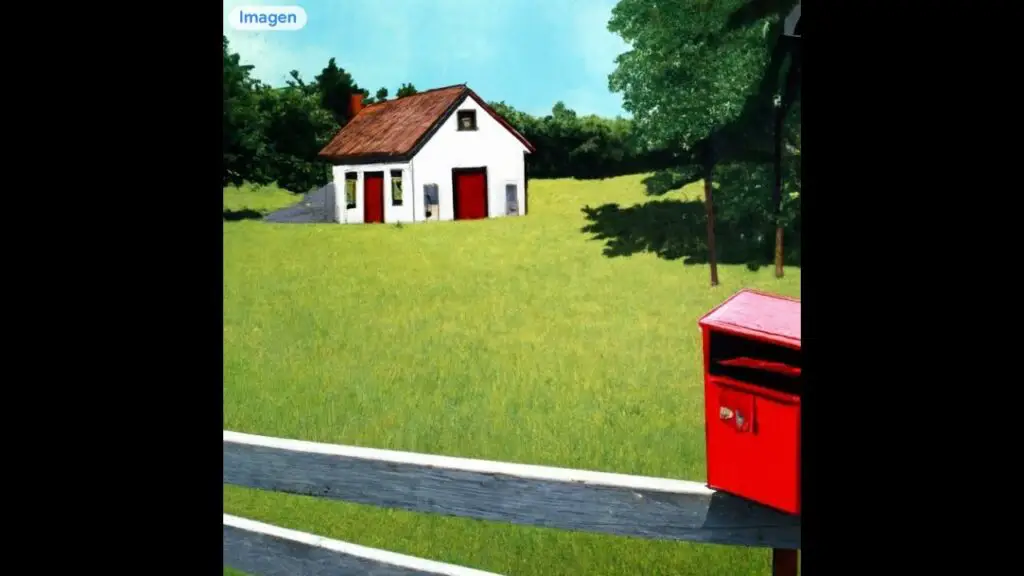
This intersection of classic interactive fiction and modern generative AI isn’t entirely new. A few years ago, Google undertook a fascinating experiment, feeding Zork’s descriptive text into an image diffusion model. The goal was to visualize how an AI would interpret and render the fantastical world painted by Zork’s words. While PC Gamer’s Rich Stanton mused about the potential for such an AI-driven visual interpretation to become an actual game release, it appears that vision has yet to materialize. Nevertheless, these explorations highlight Zork’s enduring influence, not just as a game, but as a rich dataset for technological innovation and artistic reimagining in the age of artificial intelligence.
Microsoft’s decision to open-source Zork is a monumental contribution to tech and software preservation, allowing a classic to transcend its original form and inspire new generations of creators. As TechTalesLeo, I believe this move not only preserves a piece of history but also ignites a conversation about the evolving relationship between legacy code, open access, and the future of creative technology.