In the ever-evolving landscape of PC gaming, Microsoft has made it clear: Windows aims to be the definitive platform for gamers, no matter their preferred setup. The tech giant recently unveiled a compelling roadmap of advancements for 2025, alongside ambitious future plans, all designed to elevate the gaming experience on PC. Yet, as we at Digital Tech Explorer observe, Windows faces formidable competition from rivals like Valve’s Steam OS and persistent critique regarding its overall user experience. Microsoft’s strategic enhancements for 2025 are meticulously structured across three pivotal areas: handheld innovation, significant progress with Windows on Arm, and groundbreaking DirectX advancements.
Handheld Gaming Enhancements Revolutionize Mobile Play
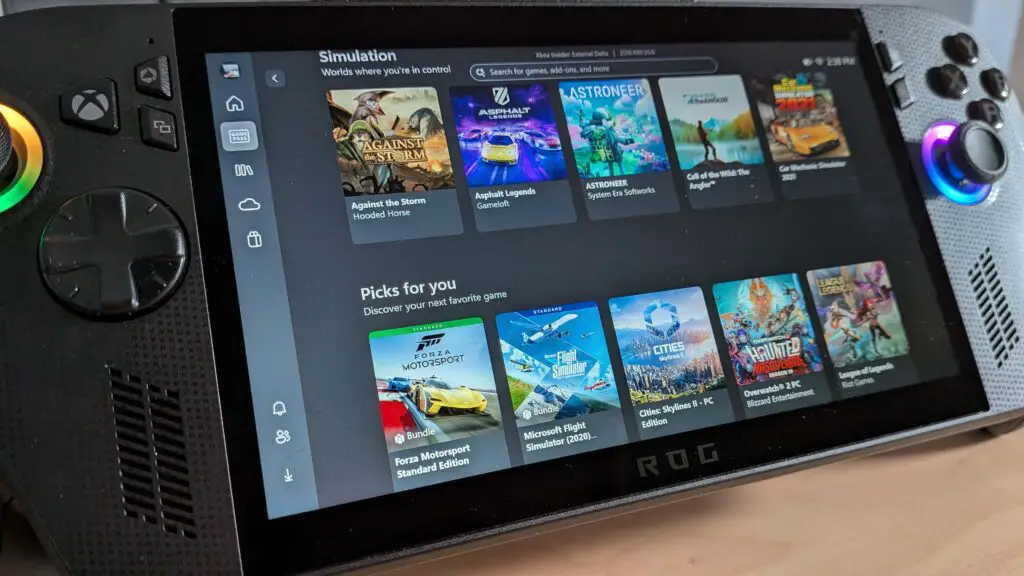
Microsoft has channeled considerable innovation into the realm of
handheld gaming, with foundational improvements first appearing on devices like the
Asus ROG Ally X. A standout enhancement is the
Full Screen Experience (FSE), meticulously crafted to deliver a more consistent, console-like interface while ingeniously minimizing background tasks to boost crucial
frame rates.
Complementing FSE is
Advanced Shader Delivery (ASD), another pivotal innovation that also debuted on the
ROG Ally X. ASD tackles performance bottlenecks by precompiling shaders during game installation, a process that dramatically slashes initial game load times and eradicates stuttering during crucial first-time gameplay. Microsoft’s internal data showcases impressive gains, with first-run load times in *Avowed* plummeting by over 80% and in *Call of Duty: Black Ops 7* by more than 95%. Today, dozens of titles are already reaping the benefits of ASD, significantly enhancing the player experience.
Windows on Arm: Bridging the Gaming Divide
The transition to
Windows on Arm presents a unique opportunity for gaming, and Microsoft is tackling it head-on by focusing on three critical pillars: enhanced
local gameplay through the Xbox app, significantly expanded
Prism emulation, and comprehensive
anti-cheat support. Now,
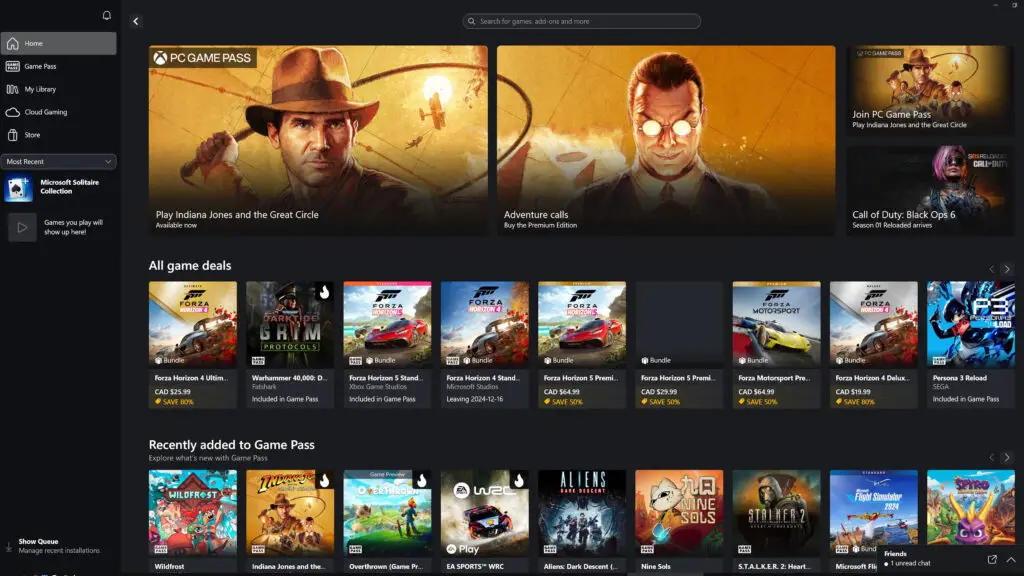
Arm-powered PCs can directly download and immerse themselves in a vast library of supported titles via the
Xbox PC app, encompassing a substantial portion of
Xbox Game Pass offerings. This initiative empowers users with extensive
local play, reducing reliance on cloud streaming—a groundbreaking feature currently rolled out exclusively to
Windows Insiders.
Addressing historical compatibility hurdles, Microsoft has made a crucial move by integrating support for
AVX and
AVX2 extensions into the
Prism emulation layer within
Windows on Arm. This vital enhancement successfully bridges a significant compatibility chasm, enabling a far broader spectrum of x86 games to execute seamlessly. Furthermore, the landscape for competitive gaming on Arm has been transformed with
Easy Anti-Cheat now officially supporting
Windows on Arm. This monumental achievement stems from a strategic collaboration between Epic Games and
Qualcomm, a key innovator in
Arm chips for modern laptops. The implication is profound: many beloved anti-cheat systems and their associated blockbuster games, including *Fortnite*, are now fully compatible with the
Arm architecture.
DirectX Innovations and Anticipated Future Features
Beyond platform-specific optimizations, Microsoft’s overarching strategy for Windows gaming heavily leans on continuous advancements in
DirectX. Among the most noteworthy additions are cutting-edge
ray-tracing features like
Opacity Micromaps and
Shader Execution Reordering. These innovations, according to Microsoft, have the potential to deliver performance boosts of up to 2.3 times, pushing the boundaries of visual fidelity. The company also provided an intriguing preview of its 2025 plans to seamlessly integrate
neural rendering directly into the core graphics pipeline, promising a new era of visual realism.
Peering into the future, Microsoft intends to broadly roll out the acclaimed
Xbox Full Screen Experience to a wider ecosystem of devices and embed
Advanced Shader Delivery into an even more expansive library of games. A particularly thrilling prospect on the horizon is
Auto Super Resolution (Auto SR), Microsoft’s proprietary OS-level
AI upscaling feature. Positioned as a direct competitor to established technologies like Nvidia DLSS and AMD FSR, Auto SR promises to redefine visual clarity and performance. While initially launching on
Copilot+ PCs powered by
Snapdragon X Arm chips, a highly anticipated public preview of Auto SR is scheduled for early 2026, specifically on the
ROG Ally X, leveraging its integrated AMD
Ryzen AI NPU.
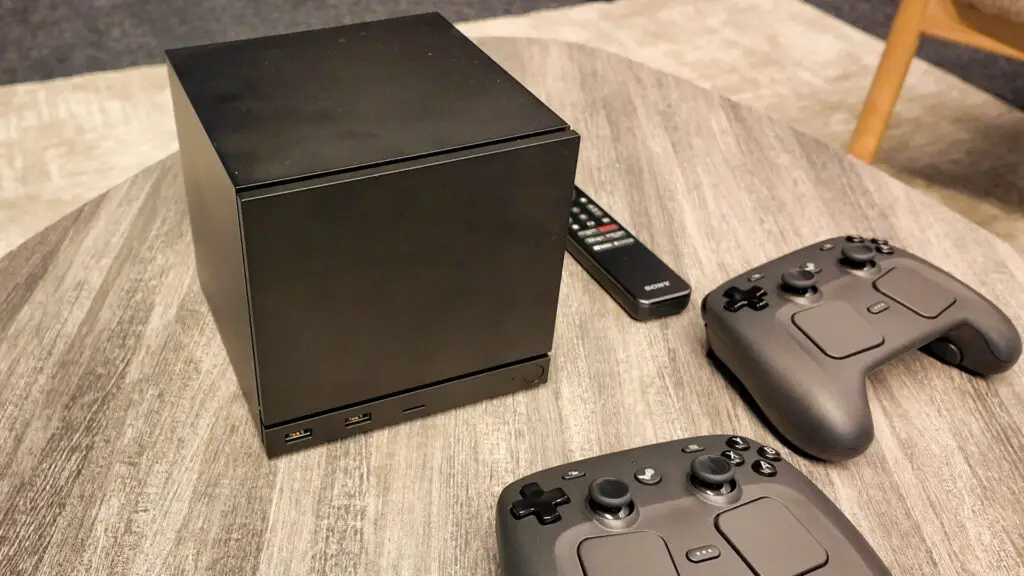
While Microsoft’s array of gaming advancements for Windows in 2025 is undeniably extensive, a critical question lingers: Are these efforts truly enough to cement its dominance? Empirical evidence often indicates that
SteamOS consistently outperforms Windows in a multitude of titles, presenting a significant hurdle. Beyond raw gaming performance, critics frequently highlight foundational Windows issues—such as intrusive AI integrations, aggressive upsells for Office 365, a pervasive feeling of being funneled into proprietary ecosystems, a frequently choppy UI, and an often-obtrusive update system—as core impediments to an otherwise stellar gaming experience. Perhaps the true challenge for
Windows gaming transcends its dedicated gaming features, residing instead in the fundamental design philosophy and general state of the operating system itself. As tech enthusiasts and developers, many of us at Digital Tech Explorer keenly anticipate that the enduring success of
Valve’s Steam Machine and the eventual release of a fully generic, officially supported
SteamOS for all PCs could finally provide the robust competition needed to galvanize Microsoft into a more comprehensive improvement of its entire platform, truly elevating the PC gaming landscape.