
At Digital Tech Explorer, we’re always on the hunt for titles that push the boundaries of action and immersion. In our in-depth analysis of Metal Eden, we found its core gameplay loop nothing short of exhilarating. Imagine a typical five-second burst of action: you might find yourself yanking the exposed core out of a round robot’s chest, causing it to drop immediately. You could throw the core like a grenade, but absorbing it grants a temporary superpunch power-up. This can be used to launch yourself at a heavier-armored robot, shattering its metal plates. While it’s staggered, a quick switch to the shotgun finishes the job before you jetpack away to find more ammo on a nearby wallrun.
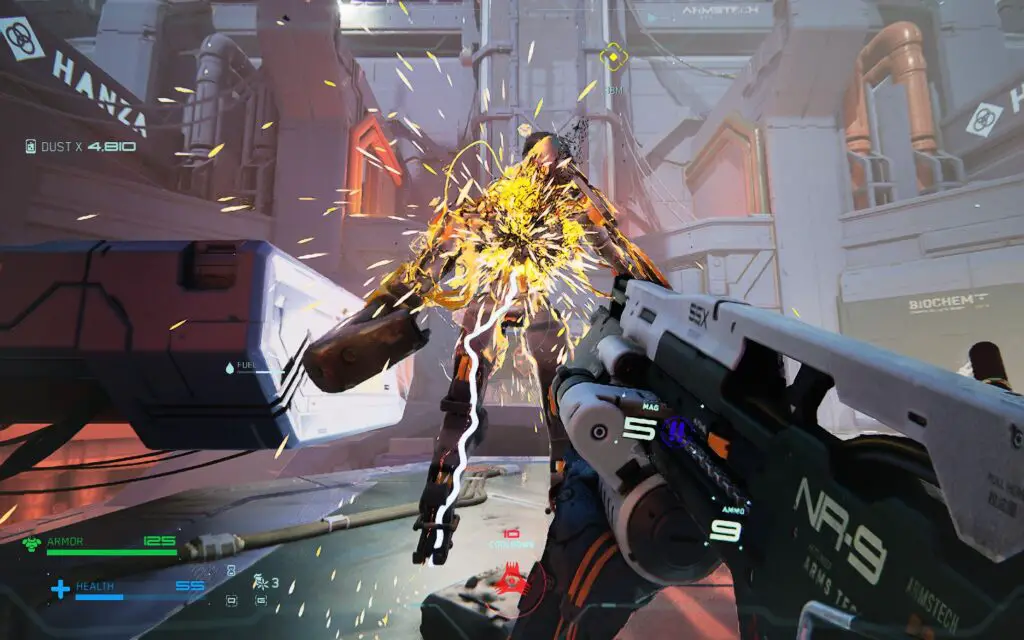 This is the frantic pulse of this superspeed neon FPS, where you embody a parkour android equipped with a vast arsenal of tools for both fluid movement and explosive destruction.
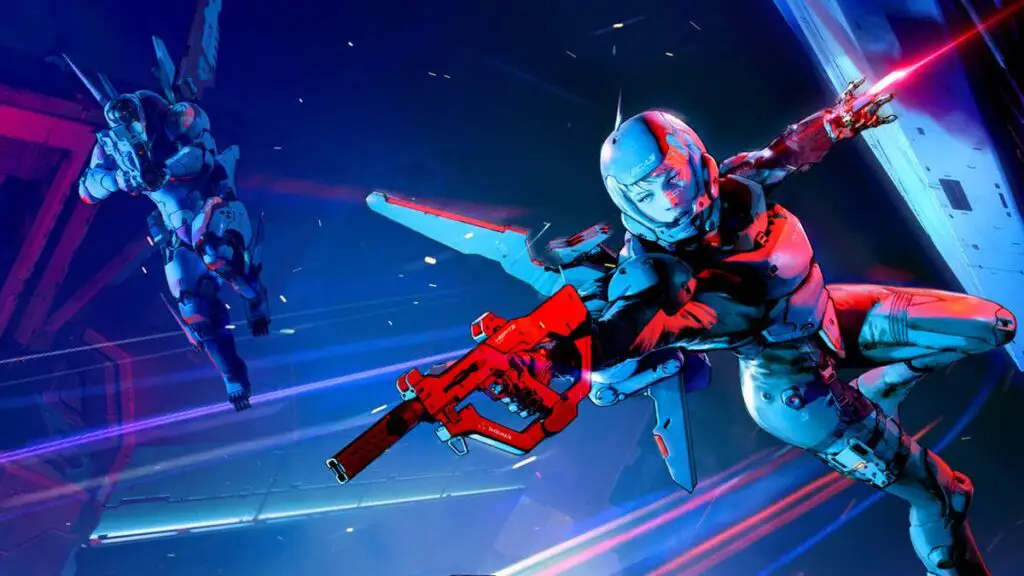 Beyond the basics, you have access to a grappling hook, a double-jump, freeze grenades, and even a morph ball mode reminiscent of Super Metroid that allows you to roll around while firing homing missiles and lightning. This blend of abilities promises a dynamic and engaging experience for tech enthusiasts.
Combat System and Game Influences
The combat system in Metal Eden boasts a distinct rhythm, a key element TechTalesLeo appreciates in action-oriented titles. Staggering enemies with a punch before eliminating them ensures they drop health, while throwing a harvested core guarantees an ammo drop. If this strategic resource management sounds familiar, it’s because the clear influence of Bethesda’s recent Doom games is palpable. The game also shares DNA with Ruiner, the developer’s previous adrenaline-fueled title. However, while Ruiner featured a birdseye view and a distinct cyberpunk aesthetic, Metal Eden shifts gears as a first-person sci-fi movement shooter. It also brings to mind the under-rated shooter Necromunda: Hired Gun, another game that showers the player with abilities like wallrunning, grapple-hooking, and slow-mo, creating frenetic action that can sometimes feel **disorienting** if you haven’t memorized the controls.
Narrative and Pacing Problems
While the gameplay excels, the game’s story can be just as overwhelming as learning its intricate control scheme. Narrated primarily by a bitter computer named Nexus, the plot is delivered through stylish but willfully confusing flashbacks. By the time the credits roll after six or seven hours, the narrative feels even more muddled than when it began. This wouldn’t be a major issue if the story didn’t constantly interrupt the action. Levels are paced out with long zipline rides past futuristic cityscapes while Nexus monologues, and these segments feel dull even on the first playthrough. The slow, lingering introductions for every new weapon and robotic enemy type also bog down the pacing, creating moments where players would rather be shooting than listening.
Unfortunately, these pacing issues are amplified on a second playthrough. The biggest disappointment for players seeking extended engagement is the lack of a New Game+ mode, which prevents you from fully cutting loose with all your unlocked abilities and upgrades. When you replay a level from the post-game menu, you are reset to the minimal loadout you had the first time you played it. In a genre that thrives on replayability, speedruns, and showcasing mastery, Metal Eden strangely encourages you to put it down once you’ve finished it. From a Digital Tech Explorer perspective, this makes the $40 price for Metal Eden a challenging proposition for our readers seeking lasting value. If a New Game+ mode were implemented, we at Digital Tech Explorer would find it a much easier recommendation for the adrenaline junkies and tech enthusiasts who revel in wallrunning through arenas and blasting giant spiderbots.