
Even as discussions around the metaverse have settled for many, Meta continues its relentless pursuit, now with significant strides on its upcoming Meta Horizon Engine. This bespoke game engine, designed to power experiences within Meta Horizon, recently saw a partial unveiling. TechTalesLeo has been following closely as Meta now makes bold claims about the engine’s creation pipeline and opens beta sign-ups. According to their blog post, “Meta Horizon Engine at a glance,” this new platform aims to significantly upgrade both the creation tools and the overall user experience within their virtual ecosystem – a development Digital Tech Explorer readers interested in cutting-edge software and digital innovation will want to track.
Core Principles of the Horizon Engine
Meta has distilled the vision for its new engine into four core principles, starting with ‘Scalability from cloud to mobile‘. This crucial principle emphasizes the engine’s capacity to seamlessly run virtual worlds on cloud infrastructure and directly on mobile devices. The promise of ‘running on mobile phones’ signals a significant leap, suggesting native mobile play—a functionality previously out of reach that could drastically broaden accessibility for tech enthusiasts.
Next, Meta highlights ‘speed and performance‘. The new engine aims to ensure virtual worlds ‘load and run quickly,’ directly addressing a persistent frustration within existing virtual platforms and promising a smoother experience for users and developers alike.
The third principle focuses on ‘familiar tools‘. The Horizon Engine is engineered to integrate with intuitive templates and formats, making it more accessible for developers. Given that Horizon Worlds are largely user-generated, this strategic approach could significantly accelerate content production and lower the entry barrier for creators—a key element in bridging the gap between complex tech and everyday usability, a focus of TechTalesLeo’s insights.
Finally, Meta champions ‘platform evolution‘. This principle frames the engine as a new ‘technical foundation,’ meticulously crafted to scale and adapt with its growing user base. By adopting a fresh start, Meta seeks to sidestep the technical debt that often encumbers long-standing projects, designing the platform ‘from the ground up with user safety in mind’ – a critical consideration for any modern digital ecosystem, as Digital Tech Explorer frequently emphasizes.
Technical Specifications and Performance Claims
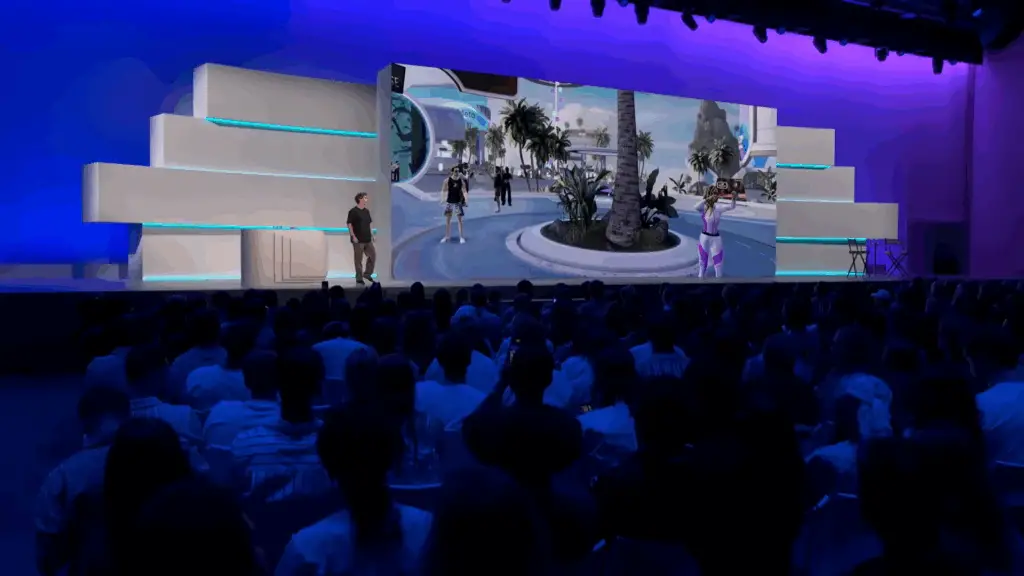
Under the hood, the Horizon Engine boasts support for a robust suite of third-party tools, essential for high-quality virtual experiences. These include FMOD for advanced audio capabilities, Noesis for sophisticated user interface design, and NVIDIA’s PhysX for realistic physics simulations. It also seamlessly integrates Meta’s proprietary Avatars software and employs bespoke rendering models. At Meta Connect 2025, Mark Zuckerberg asserted that this new engine is a staggering four times faster than its predecessor and capable of supporting five times the number of participants within a single instance. Such claims promise ‘infinite connected spaces, more realistic physics, and higher player counts’ – metrics that Digital Tech Explorer always scrutinizes for real-world performance.
Challenges and User Experience
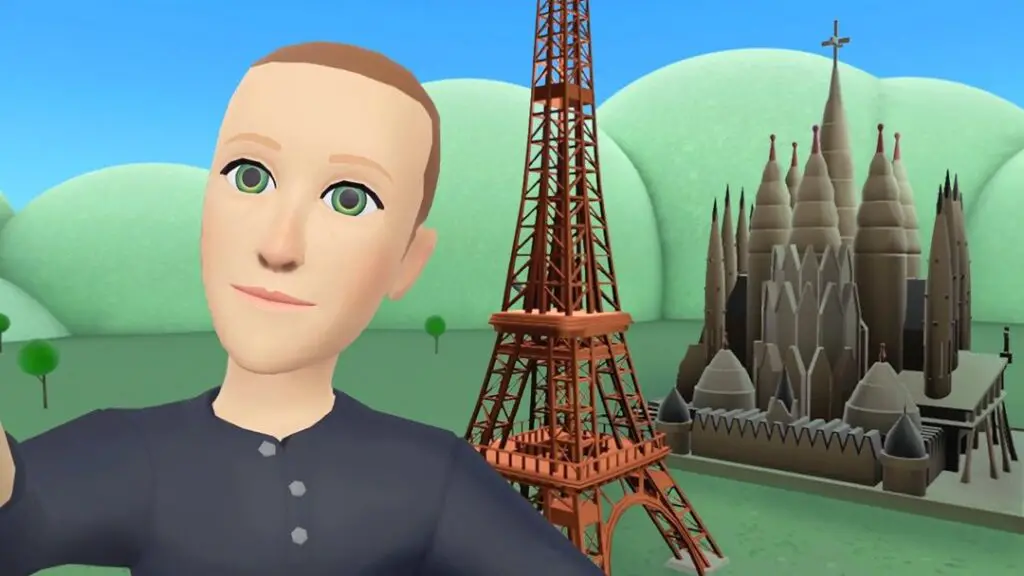
As TechTalesLeo, I’ve personally delved into the current iteration of Meta Horizon Worlds, and frankly, my experience left much to be desired. From a user perspective, the platform often felt sluggish, navigating was cumbersome, and the prevalence of rudimentary, user-generated content quickly led to disengagement. This real-world testing aligns with Digital Tech Explorer’s commitment to transparency in product reviews.
While platforms like Fortnite, Meta, and Roblox leveraging user-generated content—even from younger creators—presents interesting dynamics, the potential for broadly accessible creative tools is undeniably compelling. However, the overarching challenge remains: the very concept of the metaverse itself still struggles for mainstream adoption and a clear, compelling value proposition beyond novelty.
For those intrigued by these developments, you can sign up for the Horizon Studio Beta right now. Meta has indicated acceptances will roll out later this year, though a precise timeline remains elusive. It’s crucial to grasp that Meta Horizon Worlds exist as individual experiences within the broader Meta Horizon ecosystem, akin to distinct maps or creative modes within a game like Fortnite – a helpful analogy for understanding its structure and potential.