
Greetings, tech enthusiasts and developers! Here at Digital Tech Explorer, we’re always on the hunt for insights that challenge conventional wisdom and enhance our understanding of the tech world. Today, we’re diving into a revelation from none other than Linus Torvalds, the visionary behind the Linux operating system.
Prepare to have your perception of PC crashes flipped! Torvalds, an iconic figure in computing, boldly claims that Windows’ notorious reputation for instability and “Blue Screens” isn’t primarily a software flaw. Instead, he points the finger squarely at… unreliable hardware.
“I’m convinced that all the jokes about how unstable Windows is, the Blue Screening—I guess it’s not a blue screen any more—a big percentage of those were not actually software bugs, a big percentage of those are hardware not actually being reliable,” Torvalds shared with the Linus Tech Tips YouTube channel.

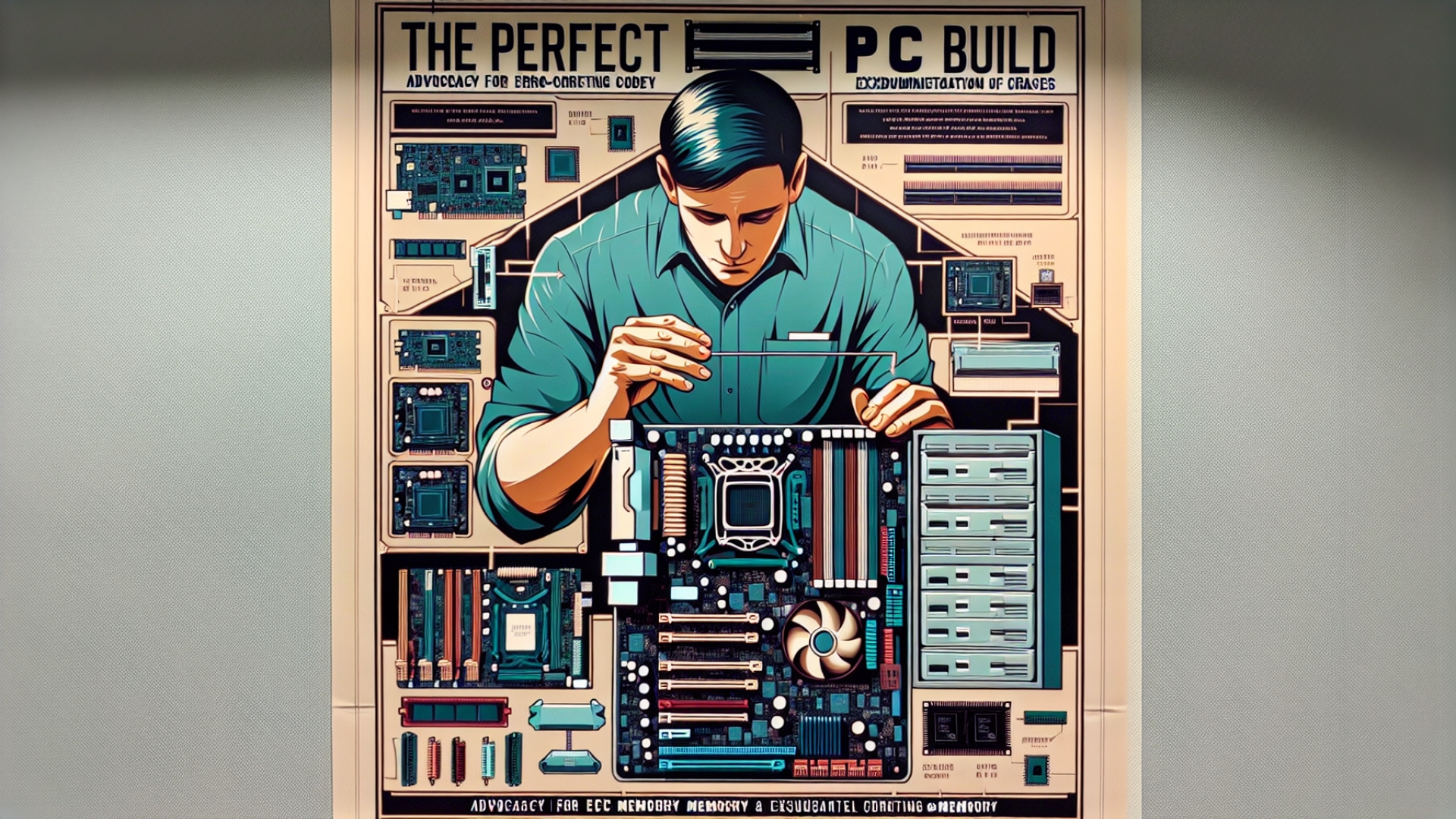
This intriguing perspective emerged during a video where Torvalds outlined his perfect PC build – a setup designed for the utmost reliability. His component choices are fascinating, featuring an AMD Threadripper CPU with ECC memory for ironclad stability, and surprisingly, an Intel Arc GPU.
The focus on ECC memory is where Torvalds’ argument truly crystallizes, suggesting a hardware foundation that many overlook. As TechTalesLeo, I’m eager to unravel his reasoning and explore these intriguing build choices that aim to bridge the gap between complex tech and everyday usability, ensuring our machines are as trustworthy as our code.
Linus Torvalds’ Perfect PC: The CPU Selection
Torvalds’ choice of an AMD Threadripper CPU, specifically a 9960X 24-core model, is perhaps no great shock for those familiar with his work. While he may not be writing extensive code himself anymore, he’s still deeply involved in merging and compiling the Linux kernel.

“One of the things I do between every single merge is compile the whole kernel,” he explains, highlighting the need for a truly powerful processor. However, he deliberately shies away from the absolute top-tier 64-core Threadripper 9980X.
“I don’t want the crazy high-end because I want it to be quiet and reliable and not insane in any particular direction. I’ve always wanted to have something that is reliable, that comes first. It needs to be something I trust and work with,” Torvalds elaborated, underlining his unwavering commitment to system stability over raw, potentially noisy, power.
The Undeniable Case for ECC Memory
Speaking of reliability, this is precisely why Torvalds views ECC (error-correcting code) memory as non-negotiable. He passionately argues, “I don’t understand why people don’t require ECC in their machines because being able to trust your machine is the number one thing. And without ECC, your memory will go bad, it’s just a question of when.”
He recounts a personal experience where a PC with non-ECC RAM functioned flawlessly for two years before insidious errors and segmentation violations began plaguing his code compilations. What initially seemed like a software bug turned out to be a hardware integrity issue.
“My first reaction is, oh no we have a bug. I spent days on trying to figure out what the bug was until I just realised, no it wasn’t a bug at all, it was that my machine was not reliable,” he shared. This pivotal experience solidifies his conviction that a significant portion of Windows’ reputation for instability, including those dreaded Blue Screens, stems not from software flaws but from unreliable hardware, particularly the absence of error-corrected memory.
“It’s a thing with me. I do not touch machines that don’t have ECC,” Torvalds firmly concludes. For those looking to follow his lead, it’s worth noting that most AMD Ryzen desktop CPUs (excluding APUs), including the latest Zen chips, support ECC memory, provided the motherboard also offers support. On the Intel side, recent generations like Alder Lake, Raptor Lake, and Arrow Lake processors also support ECC memory. However, a key distinction is that none of Intel’s desktop motherboard chipsets support ECC, meaning you’ll need a workstation-grade chipset, such as the W880, to leverage ECC memory with an Intel CPU.
The Enigmatic Intel Arc GPU Choice
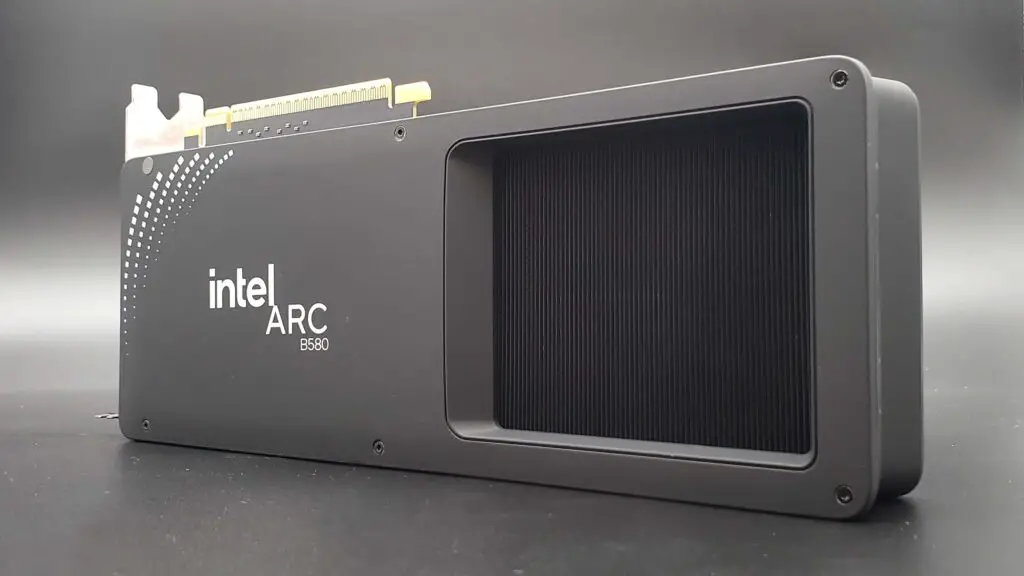
Perhaps the most unexpected pick for his “perfect” build is an Intel Arc GPU. Unfortunately, the video host’s lively antics somewhat obscured Torvalds’ detailed reasoning for this particular choice.
Given his extensive polemic on PC stability and reliability, one can only infer that Torvalds must view Intel Arc GPUs as sufficiently robust to meet his stringent standards. The specifics of his rationale, however, remain an intriguing mystery for now.
The Takeaway for Developers and Enthusiasts
Linus Torvalds’ insights compel us at Digital Tech Explorer to rethink what truly constitutes a reliable computing experience. His unwavering focus on hardware integrity, especially the critical role of ECC memory, offers a powerful lesson for developers, gamers, and anyone building a PC.
This discussion naturally leads us to ponder: how often are those frustrating game crashes or software glitches actually attributable to subtle memory errors? Could adopting ECC memory significantly reduce these issues, offering a more stable and trustworthy platform for all our digital endeavors?
While the video certainly provides much food for thought, even if you navigate past some of the host’s more attention-grabbing moments, Torvalds’ perspective on hardware reliability is an invaluable contribution to the tech discourse. It reinforces our mission to help you, our readers, make informed decisions and enhance your tech prowess.
Affiliate Disclaimer: Some of the links on Digital Tech Explorer are affiliate links. This means we may earn a commission if you click through and make a purchase, at no additional cost to you. Our recommendations are based on thorough research and personal experience.