
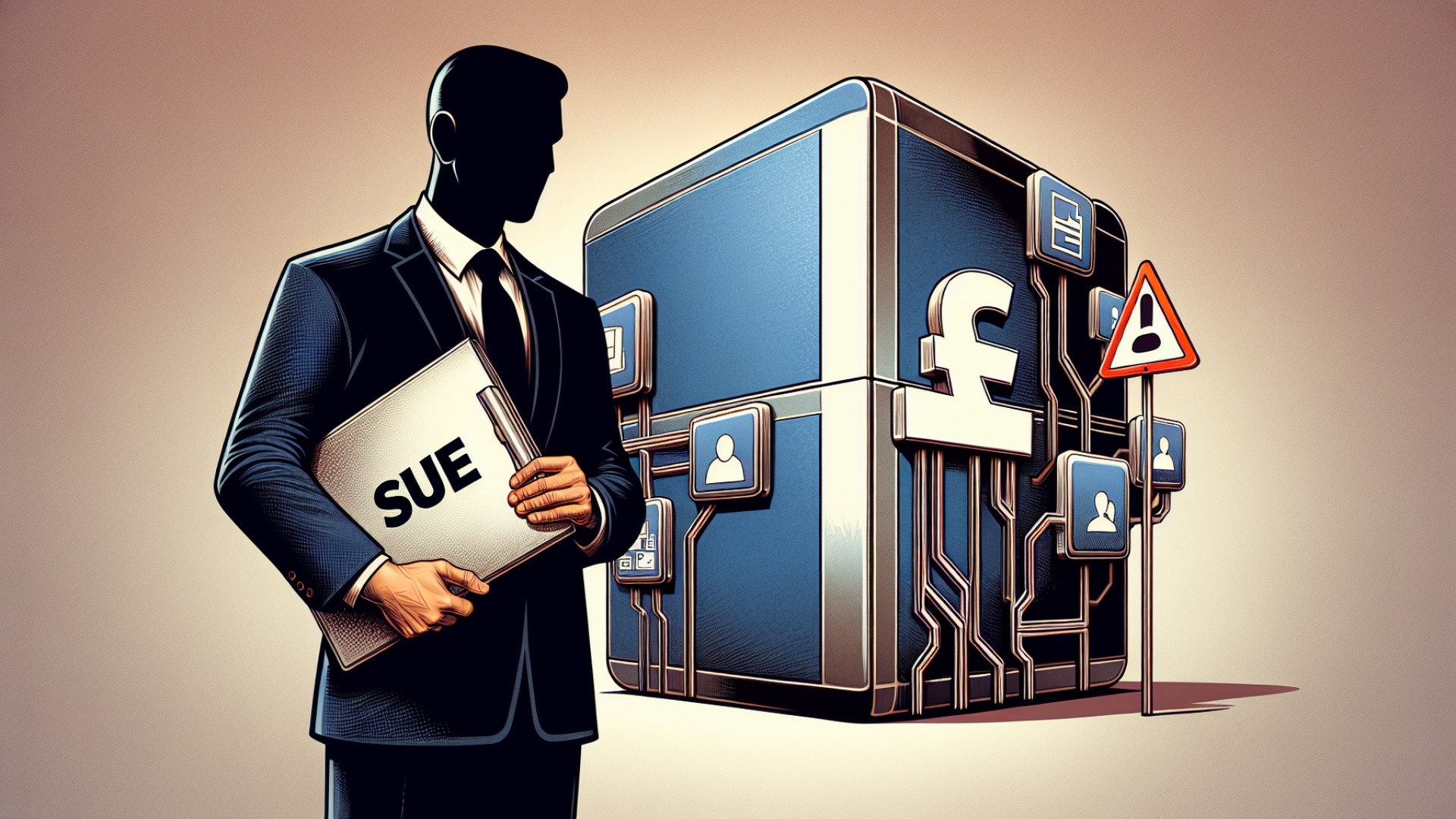
While sharing a name with a global celebrity can be an amusing anecdote for some, for others, it becomes a genuine impediment. In the digital age, where algorithms often dictate online presence, such a coincidence can escalate into serious professional and financial repercussions. This is precisely the dilemma faced by Indiana-based lawyer Mark S. Zuckerberg, who has initiated legal proceedings against Meta Platforms Inc. due to persistent complications stemming from his name and the company’s automated systems.
Meta’s Automated Moderation: A Digital Identity Crisis
The crux of the issue lies in Meta’s content moderation systems. These sophisticated, often AI-driven, tools have repeatedly flagged the lawyer’s legitimate Facebook posts, intended to advertise his legal services, as instances of false impersonation of Meta’s CEO, Mark E. Zuckerberg. Consequently, these posts are taken down, directly impacting Mark S. Zuckerberg’s livelihood. He reportedly pays fees for a commercial Facebook page to promote his business, yet when a post is removed under these circumstances, the fees are not refunded. This creates a continuous financial drain and severely hinders his ability to effectively market his practice on one of the world’s largest digital platforms. It highlights a critical flaw where advanced algorithms fail to account for unique, real-world circumstances, creating a significant barrier for legitimate users.
The Lawsuit: Challenging Platform Policy and Responsibility
After enduring this frustrating cycle for an extended period, Mark S. Zuckerberg has formally filed a lawsuit against Meta. The legal action cites breach of contract and other related claims, aiming to hold the tech giant accountable for its platform’s operational failures. While the lawsuit deliberately avoids directly naming Meta’s CEO, it represents an action against the company he leads, thus establishing an indirect legal confrontation between the two Mark Zuckerbergs. From a corporate governance perspective, the CEO, as the head of the company, is ultimately responsible for the development and implementation of corporate policies and automated systems, including those that have led to this unique digital dispute.
More Than a Name: Personal Toll and Humorous Resilience
Beyond the professional obstacles, sharing a name with a tech billionaire has taken a substantial personal toll on the lawyer. On his dedicated website, he candidly details the hardships, which include disturbing experiences like routinely receiving death threats and harassment from individuals mistakenly associating him with the Meta CEO. Despite these severe challenges, his perspective remains remarkably stoic, even infused with a touch of humor. He famously quipped, “I don’t wish Mark E. Zuckerberg any ill will at all. I hope the best for him, but let me tell you this: I will rule the search for ‘Mark Zuckerberg bankruptcy’. And if he does fall upon difficult financial times, and happens to be in Indiana, I will gladly handle his case in honor of our eponymy.” This unique stance provides a fascinating look into navigating digital identity in a world dominated by tech giants.
As this intriguing legal battle unfolds, we at Digital Tech Explorer will be watching closely for its implications on digital identity, content moderation, and platform responsibility. Ideally, this case will be resolved amicably, enabling Mark S. Zuckerberg to conduct his legitimate business without algorithmic interference. Perhaps a truly forward-thinking solution could involve Meta’s CEO reaching out to his namesake to personally address the issue. Or, as the lawyer humorously suggests, a simpler fix might be for the tech CEO to embrace a new identity: Mark Meta.