
As an SEO Content Master dedicated to bridging complex technology with everyday usability for Digital Tech Explorer, I’ve reviewed and enhanced the article on Judas. The revised content now effectively reflects the publisher’s mission for in-depth tech news and analysis, while also embodying the dynamic storytelling and insightful perspective of TechTalesLeo. Repetitive phrasing has been streamlined, and the article is ready for publishing in the requested HTML format.
Expectations are soaring for Ghost Story Games’ upcoming title, Judas, especially as creative director Ken Levine—the visionary behind BioShock and System Shock 2—begins to unveil more captivating details. After years of anticipation, fresh insights highlight how this ambitious narrative shooter is both a spiritual successor to his acclaimed previous work and a bold, innovative leap forward. While initial glimpses inevitably draw strong comparisons to the iconic BioShock series, Levine emphasizes that Judas is fundamentally built on a unique system of “narrative legos,” promising an experience unlike anything players have encountered before. As TechTalesLeo, I’m here to unpack what makes this title a potential game-changer for tech enthusiasts and gamers alike.
Dissecting the DNA: How Judas Diverges from BioShock and System Shock 2
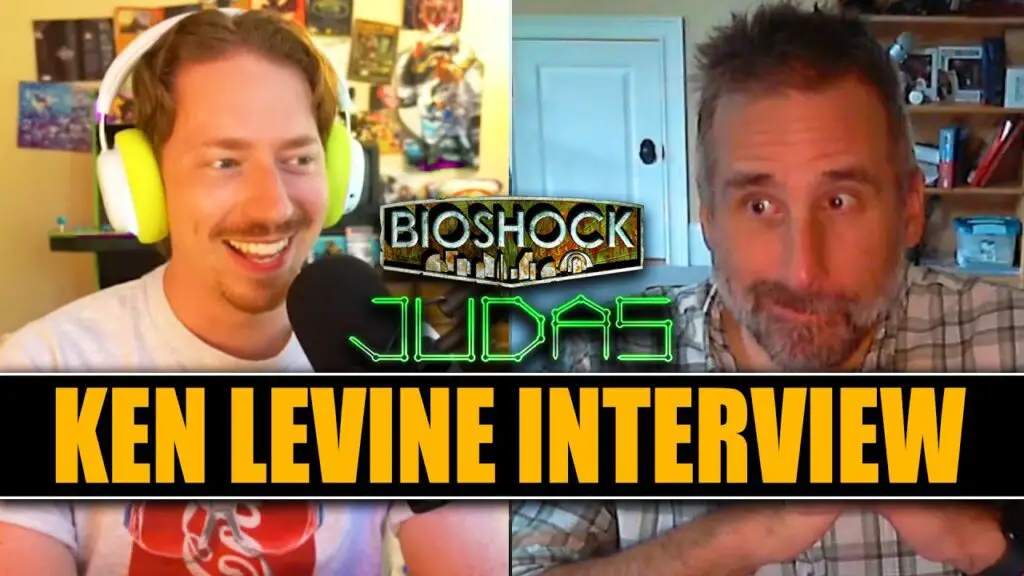
In a recent candid interview, Ken Levine directly addressed the visible similarities between Judas and his illustrious past creations. “There are parts of Judas that are more similar to BioShock, and there are parts of Judas that are really, really radically different,” he explained. Players will find a familiar combat loop—a gun in one hand, powers in the other—now enhanced with a new hacking mechanic. However, Levine is quick to clarify that the game’s core systems represent a profound departure. He asserts that the approach to populating the game world, the intricate branching narrative paths players can explore, and the very method of story delivery are all “so radically different.”
Levine views Judas as his most significant creative leap since his formative transition from the deep, hardcore RPG mechanics of System Shock 2 to the immersive world-building and accessible narrative focus of the original BioShock. He meticulously positions Judas as an evolution that strikes a sophisticated middle ground, seamlessly blending the robust depth and player choice reminiscent of System Shock 2 with the compelling, approachable narrative style that defined the BioShock franchise. This strategic design aims to captivate both long-time fans of complex immersive sims and a broader audience seeking an engaging, story-driven adventure.
The Revolutionary Dynamic Relationship System and Unprecedented Player Agency
The true innovation at the heart of Judas lies in its groundbreaking approach to character relationships and unbridled player agency. Levine openly acknowledged that he perceived BioShock Infinite as “a little light on player expression.” Judas is meticulously crafted to address this by centering its gameplay around building “granular” relationships with pivotal characters aboard the Mayflower—a colossal, city-sized spaceship housing humanity’s last survivors. Players will be tasked with navigating intricate dynamics with three formidable leaders, where their every action and choice directly shapes these crucial relationships.
The essence of this system, as Levine describes, involves “being able to play people off each other.” Your strategic choices can either forge strong alliances or create bitter rivalries with these influential figures. Crucially, the way you manage these evolving relationships will directly determine which of the three leaders ultimately emerges as the game’s primary antagonist. This sophisticated dynamic relationship system places the narrative’s trajectory firmly in the player’s hands, guaranteeing that each playthrough unfolds as a uniquely personalized saga, profoundly shaped by individual decisions and interactions.
While an official release date for Judas remains unannounced, the recent surge in developer logs and insightful interviews with Ken Levine strongly suggests that its highly anticipated launch may be on the horizon. Levine has affectionately described the game as “very old school” in its delivery, promising a complete, self-contained experience from day one. “You buy the game and you get the whole thing… no online component, no live service,” he confirmed—a significant promise for many gamers. For tech enthusiasts and fans at Digital Tech Explorer longing for the return of a grandiose, meticulously crafted single-player narrative shooter, Judas is undeniably shaping up to be a monumental and truly unique release.