
- RAM: 4 GB or more
- Storage: 32 GB or larger
- GPU: AMD Radeon RX 400-series or newer; Nvidia GTX 16-series or newer. Intel GPUs “may work” but often come with poor game compatibility.
- Not supported: The OS does not support hybrid graphics, virtual machines, dual booting configurations, Secure Boot, Intel RST, or legacy BIOS.
While Kazeta OS is an open project, specific hardware has been tested for official compatibility. This includes the Geekom A5 2025 Edition Mini PC, a robust Ryzen-based machine ideal for this system, and the 8Bitdo Ultimate 2C Wireless Controller, ensuring a seamless and authentic gaming experience from the get-go. As an affiliate, Digital Tech Explorer may earn a commission from purchases made through these links, supporting our mission to provide detailed tech insights.
Understanding the Unique Design and Limitations of Kazeta OS
Kazeta OS is built around an immutable (or partially locked) operating system architecture. This deliberate design choice, while central to its nostalgic vision, introduces specific considerations. Unlike modern operating systems, Kazeta OS consciously foregoes traditional updates, embodying a “Classic ’90s console experience.” Its creators emphasize, “Part of the appeal is that you never have to update. Not updating will ensure that your system and games will continue to work indefinitely.” This commitment to a static environment ensures consistency but also means users must accept its limitations.
Another practical consideration is the nature of running games directly from SD cards. Not every DRM-free game is ideally suited for this method, particularly titles with substantial file sizes or those demanding high read speeds. The project’s ethos leans towards simpler, more deliberately paced games. Furthermore, the cost associated with acquiring multiple SD cards for a diverse game library can be a factor. These aspects position Kazeta OS as an ideal platform for specific types of games, particularly those that embrace a throwback flair and don’t rely on constant online connectivity or massive install sizes.
The Enduring Appeal and Target Audience of Kazeta OS
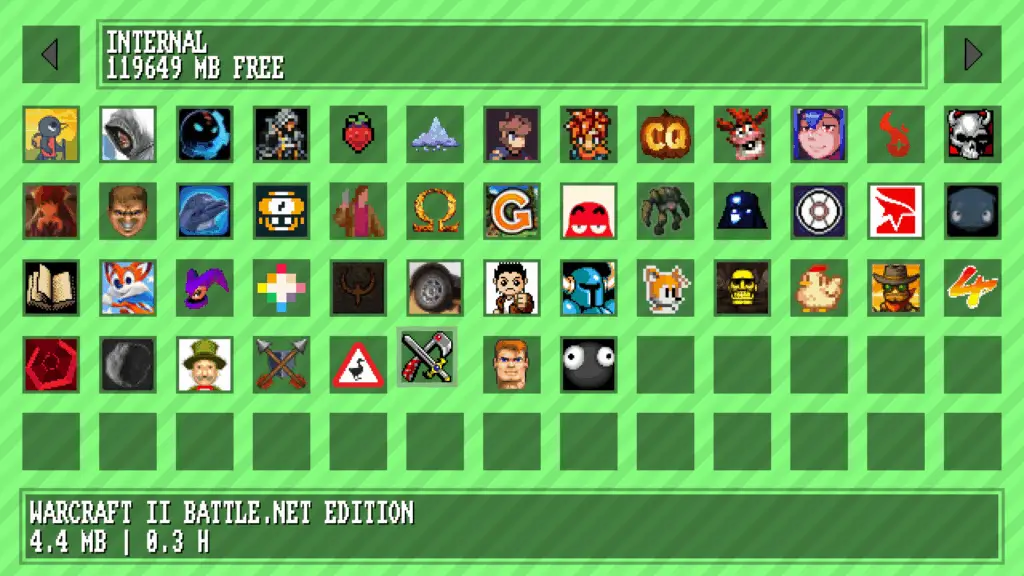
Beyond its obvious retro charm, Kazeta OS cultivates a unique environment where beloved titles like Stardew Valley and Celeste truly shine. The system thoughtfully addresses often-overlooked use cases in the contemporary gaming landscape. It provides a secure, offline environment, making it an excellent choice for children or for simplifying the gaming experience for older family members who might find modern consoles and launchers overwhelming. Adding to its nostalgic appeal, Kazeta features a save management system with a delightful twist, reminiscent of early PlayStation save data screens adorned with their characteristic cute icons. Ultimately, the essence of its appeal is perfectly encapsulated in its straightforward promise: “no servers, no launchers, no microtransactions.” This clear focus on an uncluttered, player-first experience aligns with our mission at Digital Tech Explorer to highlight innovative and user-centric tech solutions.
While revisiting the past often reminds us of the invaluable quality-of-life features we enjoy in today’s tech, it’s difficult to overlook the compelling nature of Kazeta’s core promise. Despite its deliberate simplicity and intentional lack of modern conveniences, the balance it strikes between genuine retro appeal and compatibility with a selection of modern games creates a truly distinctive and engaging experience. For developers and tech enthusiasts alike, exploring such projects, as we do on Digital Tech Explorer, offers fresh perspectives on how software can be both educational and deeply entertaining.
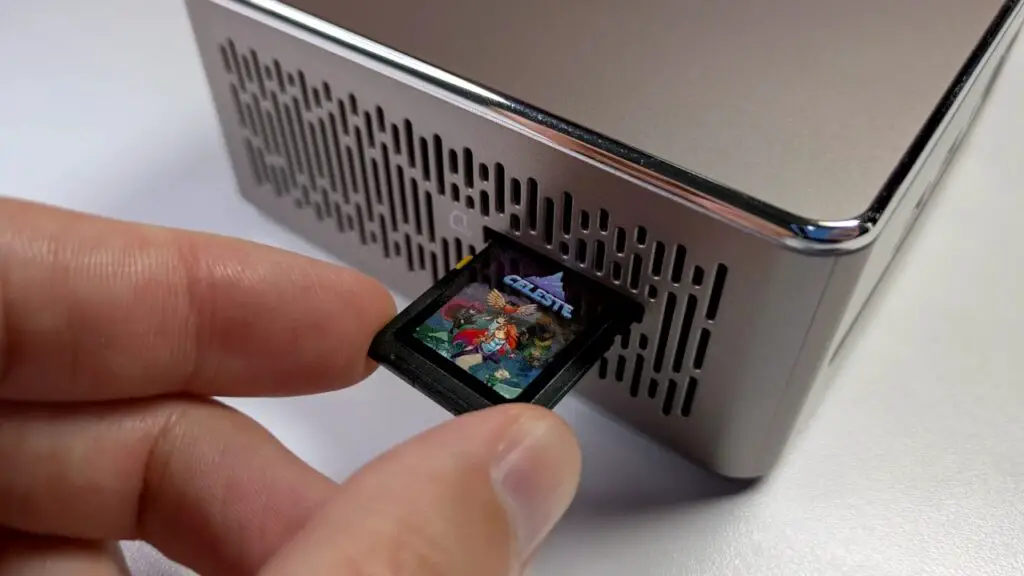
As a passionate advocate for modern PC gaming, I also hold a deep appreciation for the nostalgic charm of cart-based systems, a sentiment ignited by my early days with the Game Boy Color. This affection leads me to an intriguing open-source project that asks: “What if contemporary PC gaming borrowed a page from Nintendo’s playbook?” Enter Kazeta OS, a vibes-based Linux operating system designed to rekindle the classic plug-and-play experience. Imagine a world where waiting for downloads or updates is a thing of the past. Instead, you simply load your preferred DRM-free games onto SD cards, insert them into your Kazeta-powered PC, and instantly dive into gameplay reminiscent of yesteryear. It’s a delightful fusion of retro sensibility and modern accessibility, perfect for explorers of unique software experiences on Digital Tech Explorer.
System Requirements and Supported Hardware for Kazeta OS
To embark on your Kazeta journey, understanding the fundamental system requirements and specific hardware considerations is key. This platform is designed with a particular focus on simplicity, yet demands certain specifications for optimal performance:
- RAM: 4 GB or more
- Storage: 32 GB or larger
- GPU: AMD Radeon RX 400-series or newer; Nvidia GTX 16-series or newer. Intel GPUs “may work” but often come with poor game compatibility.
- Not supported: The OS does not support hybrid graphics, virtual machines, dual booting configurations, Secure Boot, Intel RST, or legacy BIOS.
While Kazeta OS is an open project, specific hardware has been tested for official compatibility. This includes the Geekom A5 2025 Edition Mini PC, a robust Ryzen-based machine ideal for this system, and the 8Bitdo Ultimate 2C Wireless Controller, ensuring a seamless and authentic gaming experience from the get-go. As an affiliate, Digital Tech Explorer may earn a commission from purchases made through these links, supporting our mission to provide detailed tech insights.
Understanding the Unique Design and Limitations of Kazeta OS
Kazeta OS is built around an immutable (or partially locked) operating system architecture. This deliberate design choice, while central to its nostalgic vision, introduces specific considerations. Unlike modern operating systems, Kazeta OS consciously foregoes traditional updates, embodying a “Classic ’90s console experience.” Its creators emphasize, “Part of the appeal is that you never have to update. Not updating will ensure that your system and games will continue to work indefinitely.” This commitment to a static environment ensures consistency but also means users must accept its limitations.
Another practical consideration is the nature of running games directly from SD cards. Not every DRM-free game is ideally suited for this method, particularly titles with substantial file sizes or those demanding high read speeds. The project’s ethos leans towards simpler, more deliberately paced games. Furthermore, the cost associated with acquiring multiple SD cards for a diverse game library can be a factor. These aspects position Kazeta OS as an ideal platform for specific types of games, particularly those that embrace a throwback flair and don’t rely on constant online connectivity or massive install sizes.
The Enduring Appeal and Target Audience of Kazeta OS
Beyond its obvious retro charm, Kazeta OS cultivates a unique environment where beloved titles like Stardew Valley and Celeste truly shine. The system thoughtfully addresses often-overlooked use cases in the contemporary gaming landscape. It provides a secure, offline environment, making it an excellent choice for children or for simplifying the gaming experience for older family members who might find modern consoles and launchers overwhelming. Adding to its nostalgic appeal, Kazeta features a save management system with a delightful twist, reminiscent of early PlayStation save data screens adorned with their characteristic cute icons. Ultimately, the essence of its appeal is perfectly encapsulated in its straightforward promise: “no servers, no launchers, no microtransactions.” This clear focus on an uncluttered, player-first experience aligns with our mission at Digital Tech Explorer to highlight innovative and user-centric tech solutions.
While revisiting the past often reminds us of the invaluable quality-of-life features we enjoy in today’s tech, it’s difficult to overlook the compelling nature of Kazeta’s core promise. Despite its deliberate simplicity and intentional lack of modern conveniences, the balance it strikes between genuine retro appeal and compatibility with a selection of modern games creates a truly distinctive and engaging experience. For developers and tech enthusiasts alike, exploring such projects, as we do on Digital Tech Explorer, offers fresh perspectives on how software can be both educational and deeply entertaining.