
Unpacking Software Defined Super Cores (SDC): Intel’s Next Frontier in Processor Innovation
As tech enthusiasts and developers, we at Digital Tech Explorer are constantly tracking the innovations shaping the future of computing. Today, we’re diving deep into an intriguing development: Software Defined Super Cores (SDC). The fundamental concept behind SDC is brilliantly straightforward, yet it promises a profound shift in processor efficiency. Traditionally, each physical CPU core is dedicated to handling instructions from one or two threads. However, the inherent challenge SDC aims to address lies in the varying processing times of different instructions, which often leads to cores idling while waiting for data. SDC tackles this by intelligently analyzing incoming threads and dynamically distributing instructions across physically adjacent processor cores, optimizing workload distribution like never before.
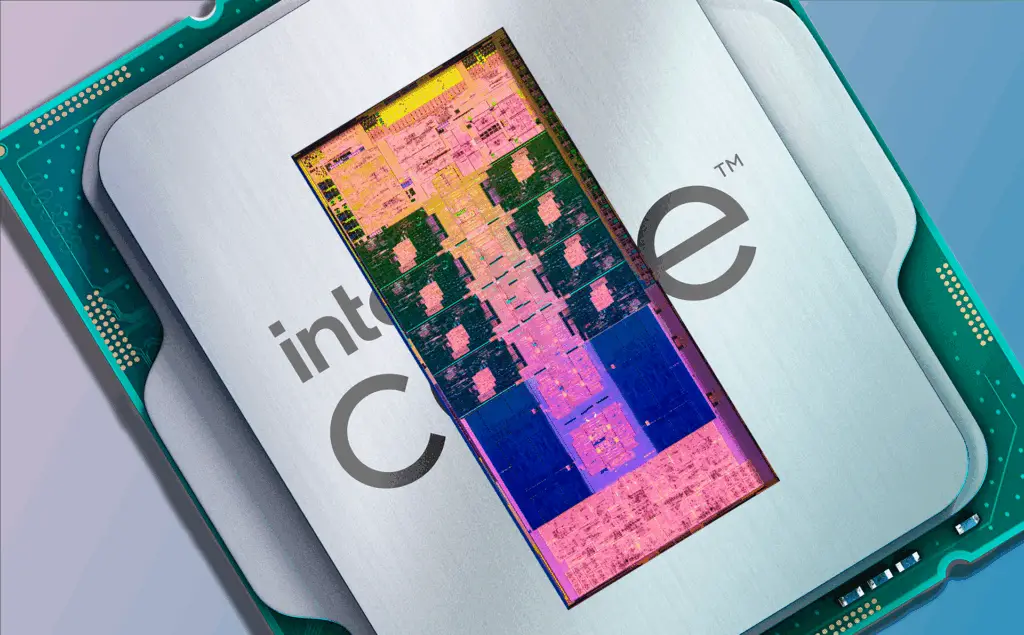
Instead of the conventional approach of two separate, elongated processing pipelines, SDC ingeniously crafts a single, much wider virtual pipeline. This innovative design dramatically boosts instruction parallelism, drawing inspiration from how modern GPUs already achieve their incredible processing power. Consider an AMD RDNA 4 GPU, where a single Streaming Processor can concurrently execute one instruction from up to 64 threads. SDC applies a similar philosophy to CPUs: two cores can now collaborate on distinct segments of a single, complex task, rather than being confined to processing entirely separate threads. This mechanism positions SDC as a fascinating inverse to Intel’s familiar HyperThreading (or SMT), where a solitary CPU core handles instructions from two different threads.
SDC: Shaping Intel’s Next-Generation Processor Architecture
Intel’s evolving strategic direction is becoming increasingly clear, particularly with its decision to move away from HyperThreading in upcoming architectures like Lunar Lake and Arrow Lake CPUs. This pivotal shift is primarily driven by a desire to reduce overall power consumption, a move made viable by the significantly enhanced capabilities of Intel’s latest E-cores. With these robust efficiency cores adept at managing background tasks, the reliance on P-cores to juggle multiple threads diminishes. As noted in the patent, the overarching objective of SDC is to dramatically improve performance-per-watt, a more sustainable path than constantly pushing high-frequency turbo boosts. The patent itself underscores this vision, stating, “To counter this, we must build larger (deeper/wider) high IPC cores.”
This strategic focus, coupled with the detailed SDC patent, strongly indicates Intel’s exploration of a future where its processors could be entirely composed of highly efficient E-cores. In such a paradigm, individual cores would proficiently handle most computing tasks. However, when demanding workloads require superior IPC (instructions per clock) performance, SDC technology would seamlessly bundle these E-cores together to form a powerful, cohesive unit. It’s a testament to digital innovation that we expect this groundbreaking technology to first emerge in the server market, where Intel has already pioneered all-E-core CPUs, exemplified by the powerful Xeon 6900-series with E-cores.
For gamers and developers tracking the latest in PC gaming, this shift holds significant implications. While modern 3D games are increasingly multithreaded, they haven’t yet pushed the boundaries for massive Instruction Per Clock (IPC) demands. However, as games continue to evolve in scale and complexity – requiring more threads for sophisticated parallel tasks such as background shader compilation, advanced AI processing, and dynamic data streaming – this demand is set to change. A uniform processor architecture, where all cores are identical, offers a far simpler and more efficient foundation for managing and scheduling these intensely demanding workloads compared to today’s prevalent hybrid designs.
While we might not witness the immediate demise of traditional P-cores in consumer gaming CPUs, the emerging concept of ‘super cores’ and the industry’s pronounced pivot away from unsustainable high clock speeds and excessive power consumption clearly herald a future dominated by processors featuring numerous identical, highly efficient cores. In essence, as we explore here at Digital Tech Explorer, Intel’s path forward with SDC subtly echoes a strategic introspection, looking back to fundamental principles of efficiency and parallelism to forge a truly innovative future. TechTalesLeo will continue to monitor these fascinating developments, bringing you the detailed analyses you need to stay ahead in the ever-evolving world of tech.