At
Digital Tech Explorer, where we constantly track the pulse of innovation, intriguing rumors have surfaced about Intel’s ambitious stride into the handheld PC gaming arena. The buzz centers around a new chip, potentially dubbed the
Core G3 Extreme, designed explicitly for next-generation portable gaming devices. Leaked information, initially reported by Videocardz, suggests this chip will feature a full-spec
Xe3 iGPU with 12 graphics cores, mirroring the robust integrated graphics found in top-tier Panther Lake laptop chips. This strategic move signals Intel’s serious intent to capture a significant share of the burgeoning
handheld PC gaming market.
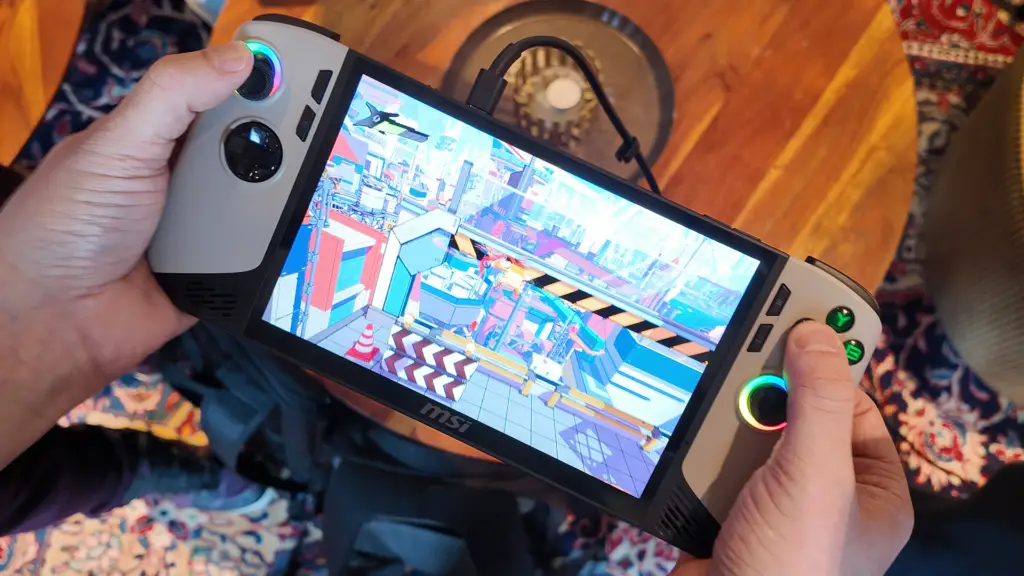
iGPU Adjustments for Handhelds
To seamlessly adapt its powerful integrated graphics for the more power-constrained environment of handheld devices, Intel has reportedly made specific modifications to the
Core G3 Extreme’s iGPU. The clock speed of the iGPU is reportedly reduced from 2.5 GHz—as observed in laptop variants like the Core Ultra X9 388H—to a more optimized 2.3 GHz. This adjustment is primarily aimed at managing power consumption more effectively without significantly compromising overall gaming performance. This slight clock speed reduction has also led to a strategic rebranding of the iGPU; what is known as the
Intel Arc B390 in laptops will become the
Intel Arc B380 for the handheld segment.
CPU Core and Clock Speed Modifications
The CPU component of the
Core G3 Extreme has also undergone tailored adjustments for handheld use. While the full-spec Panther Lake configuration typically boasts four Performance cores, eight Efficient cores, and four Low Power Efficient cores, the
Core G3 Extreme handheld variant sees the number of Performance cores reduced from four to two. Crucially, the eight Efficient cores and four Low Power Efficient cores are retained, ensuring strong multi-tasking and background processing capabilities. Additionally, the peak Performance core clock speed has been lowered from 5.1 GHz to 4.7 GHz, further optimizing the chip for mobile power envelopes and extending battery life.
Rationale Behind the Handheld Design
These strategic adjustments reflect a clear understanding of the unique demands of mobile gaming. In the realm of handheld gaming,
GPU power often takes precedence over raw CPU power to deliver fluid frame rates and high-quality graphics on smaller, portable displays. As
TechTalesLeo often emphasizes, bridging the gap between complex tech and real-world usability means understanding user needs. The revised CPU configuration, with its two Performance cores and a generous allocation of Efficient and Low Power Efficient cores, is deemed more than adequate to handle game logic, operating system tasks, and background processes, allowing the robust iGPU to truly shine in delivering immersive gaming experiences.
Introducing the Non-Extreme Core G3 Variant
Alongside the flagship
Core G3 Extreme, Intel is also expected to release a standard
Core G3 variant. This version will feature a slightly less powerful
Intel Arc B360 iGPU, which includes 10 Xe3 cores and operates at a graphics clock speed of 2.2 GHz. The CPU core counts for the standard
Core G3 are similar to its Extreme counterpart, maintaining the two Performance cores, eight Efficient cores, and four Low Power Efficient cores, though it will have a slightly lower Boost clock of 4.6 GHz, offering a compelling option for a wider range of handheld devices.
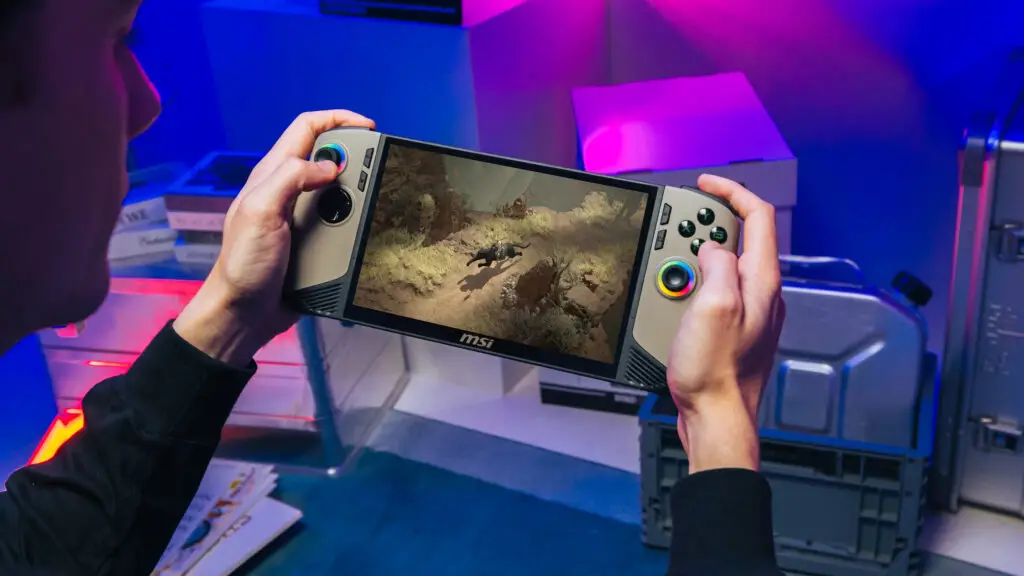
Overall, the rumored
Intel Core G3 Extreme chip appears to be a highly promising contender for next-generation handheld gaming devices. Initial impressions of the laptop version of Panther Lake’s iGPU have been very positive, suggesting strong potential for crisp
1080p handheld gaming at respectable quality settings. This positions Intel favorably against competitors like
AMD’s Ryzen AI 400 series, offering tech enthusiasts and developers another powerful option. While the early performance outlook looks robust, the ultimate success of the
Core G3 Extreme will hinge on crucial factors such as
driver quality and real-world
battery life, which, as our team at Digital Tech Explorer knows, remain key unknowns that will dictate its long-term viability in this exciting market.
Disclaimer: All content on Digital Tech Explorer is for informational and entertainment purposes only. We do not provide financial or legal advice.
Affiliate Disclosure: Some of the links on Digital Tech Explorer are affiliate links. This means we may earn a commission if you click through and make a purchase, at no additional cost to you. Our recommendations are based on thorough research and personal experience.

