
The buzz around AI PCs has been growing louder, and for good reason. As your trusted source for the latest in technology, Digital Tech Explorer is dedicated to helping you navigate these emerging trends and make informed decisions. These next-generation systems fundamentally redefine personal computing by integrating dedicated Neural Processing Units (NPUs), which are specialized processors designed to handle local AI computing tasks, promising a new era of efficiency and capability.
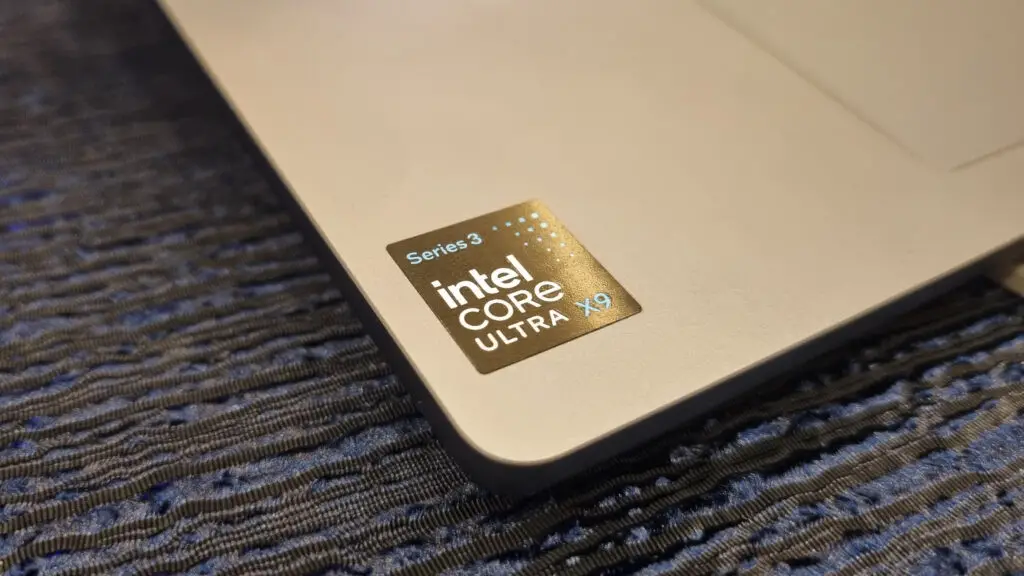
This integration of NPUs into mainstream chips has dramatically increased the number of available AI PCs on the market. According to Intel fellow Tom Peterson, the installed base of these machines is now “slightly north” of 100 million, a significant milestone in the tech landscape.
Intel’s Zetta Operations (ZOPS) Installed Base
“We have shipped 100 million [AI PCs] already,” Petersen stated during an Intel briefing. “We’ve been doing this now for a couple of years, starting off with Meteor Lake, and now Lunar Lake. Does anyone know what our installed base of TOPS [Trillions of Operations Per Second] is?”
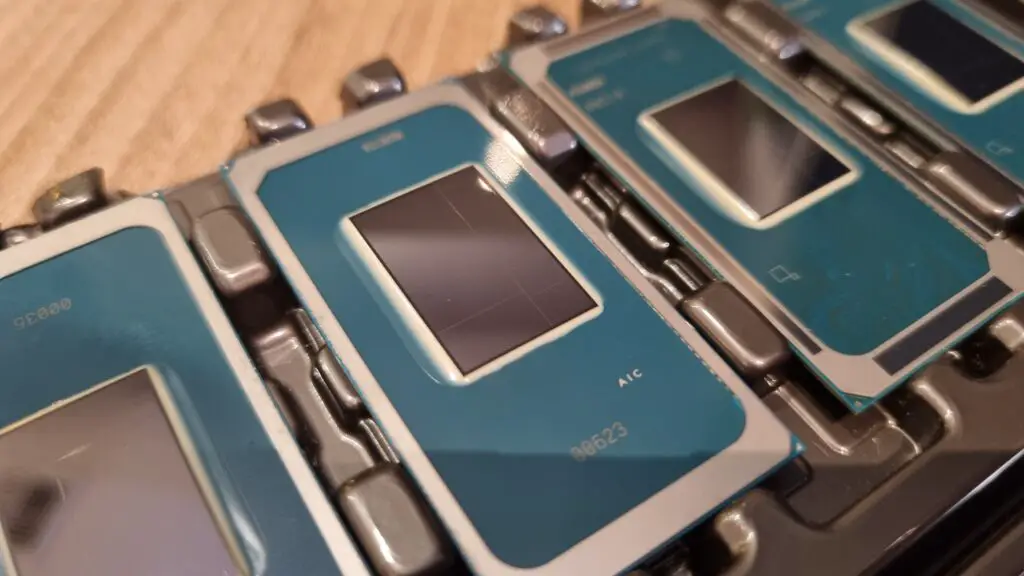
The audience offered no guesses. Petersen elaborated, introducing a new metric: “Our installed base of TOPS should no longer be referred to as TOPS. It’s what I’m going to call a ZOP. We have four ZOPS of install base, which is a Zetta OP, equivalent to a trillion million operations, or a billion TOPS.”
While Intel has shipped these millions of AI PCs and accumulated immense ZOPs, the precise extent to which they are actively used for AI processing remains an open question. Petersen clarified that Intel doesn’t collect user data on how its chips are specifically utilized for AI, but he shared his perspective on the journey ahead:
The Role of Microsoft Copilot+ in AI PC Utility
“I do think that’s the critical question… you’ve got all these ZOPS out there, are they useful yet? Initially, the floating-point units inside PCs were dormant for decades, and then one day, they were just always there.”
Petersen continued, highlighting a crucial catalyst: “And for me, the trigger is Microsoft. So once Microsoft Copilot+ becomes more useful and more ubiquitous, based on the NPU and the GPU, that’s one of these useful options.” This insight from Intel aligns with our mission at Digital Tech Explorer to help tech enthusiasts understand how emerging technologies will shape their digital lives.
Consumer Demand vs. Intel’s Market Share for AI PCs
Intel has clearly adopted a “build it and they will come” strategy with NPUs. However, as we look to 2026, it’s still challenging to pinpoint a compelling reason for the average consumer to prioritize local AI processing capabilities when purchasing a new PC. Dell recently observed that consumers are “not buying based on AI,” suggesting that the 100 million+ AI PC figure is likely more reflective of Intel’s substantial market share rather than a massive surge in consumer demand for dedicated AI hardware.

Intel CPUs power countless PCs, and despite the evolving AI landscape, PC sales continue to be strong. While the immediate practical applications for consumers are still developing, the shift towards ZOPs and dedicated AI hardware signifies a fascinating trajectory for personal computing. As TechTalesLeo, I find these new metrics for measuring computing power not just intriguing but essential for understanding the future of tech.
Stay ahead of the curve with Digital Tech Explorer’s coverage of CES 2026: We’re on the ground in sunny Las Vegas, bringing you all the latest announcements from some of the biggest names in tech, including Nvidia, AMD, Intel, Asus, Razer, MSI, and more. Our in-depth reports ensure you’re always informed about the cutting edge of technology.