

Intel, a titan in the semiconductor industry, is once again undergoing significant strategic shifts. Following a recent CEO transition, widespread layoffs, and a renewed emphasis on its Foundry operations, the company continues its evolution with notable changes in executive leadership. While the departure of Intel Products CEO Michelle Johnston Holthaus might capture headlines, a particularly intriguing development is the formation of a new group dedicated to a custom silicon business – a move that could redefine Intel’s future trajectory, especially within the burgeoning AI landscape.
Further solidifying its new direction, Intel has appointed Jim Johnson to lead the Client Computing Group (CCG) and welcomed Kevork Kechichian from Arm to head the crucial Data Center Group (DCG). Additionally, Naga Chandrasekaran, Intel Foundry’s CTOO, will expand his responsibilities to encompass Foundry Services, streamlining operations and strategic initiatives.
Perhaps the most compelling announcement is the establishment of a new custom silicon business, spearheaded by Senior VP and Fellow Srini Iyengar. Iyengar’s move to Intel earlier this year from Cadence Design Systems, where he was a Fellow, holds particular significance. This connection is notable given that Lip-Bu Tan, currently Intel’s Chairman of the Board and former CEO of Cadence until 2021, brings a deep understanding of the custom silicon landscape. The new group, as stated by Intel, “will lead horizontal engineering functions and build a new custom silicon business to serve a broad range of external customers,” signaling a pivotal shift towards customized solutions.
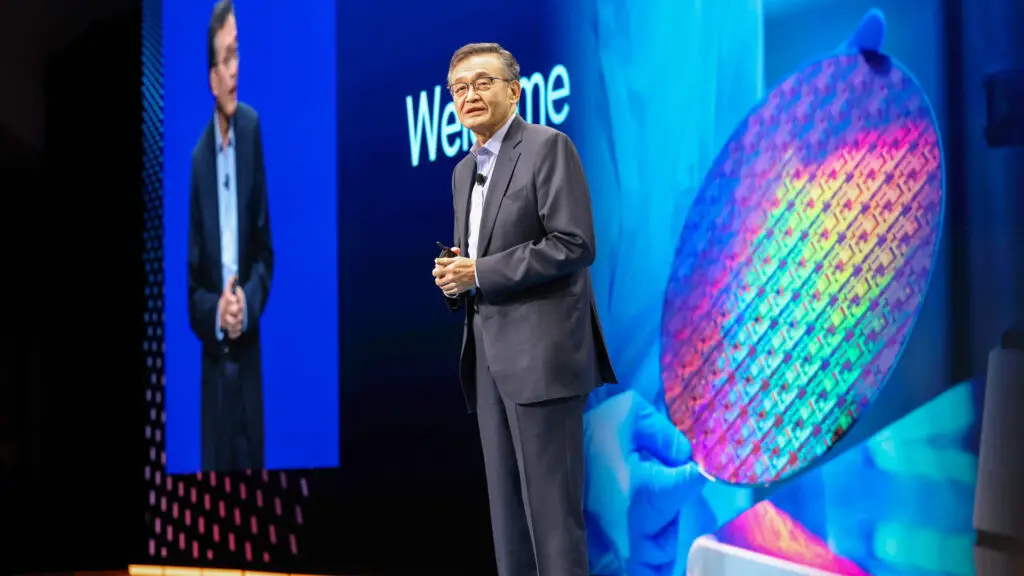
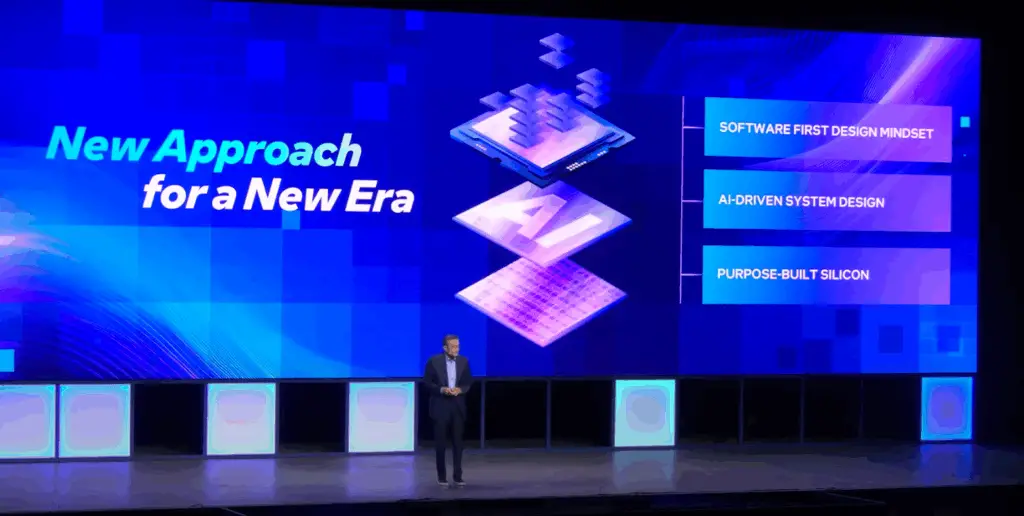
This strategic pivot into custom silicon for external customers, particularly in 2025, immediately brings to mind the explosive growth of Artificial Intelligence (AI) and the intense competition to capture market share from industry giants like TSMC and Nvidia. With data centers rapidly consuming ever-increasing AI workloads, Nvidia has predominantly dominated this lucrative segment. Intel’s venture could position it as a a formidable contender, offering bespoke solutions to scale AI infrastructure.
Intel’s current CEO, Patrick Gelsinger, has consistently emphasized the company’s ambition to cement its position in the AI market. This new custom silicon initiative provides a clearer path forward, strongly suggesting a focus on developing specialized AI silicon for data centers. For Intel Foundry, this represents a crucial opportunity to stake a bold new claim, particularly after a period of significant challenges. Success, however, hinges on attracting and securing key customers.
Further amplifying the imperative to succeed, Intel Foundry recently secured a substantial 10% investment from the US government. This strategic infusion comes with the stipulation that Intel must retain at least 51% ownership of its Foundry business for the next five years, effectively cementing its long-term commitment and precluding any immediate exit strategies.
From the perspective of PC gamers, these shifts at Intel could potentially translate into exciting developments. While it’s an “emphasis on ‘could’,” a robust push into AI accelerators for data centers could generate significant R&D breakthroughs and practical GPU silicon that might eventually trickle down into Intel’s gaming division. This mirrors Nvidia’s strategy, leveraging innovations like the Blackwell architecture and the upcoming RTX 50-series to inform consumer GPUs. However, as TechTalesLeo often observes in the tech landscape, such advancements don’t always guarantee immediate improvements in GPU affordability. Nevertheless, these strategic realignments signal a dynamic and evolving future for Intel, a story that Digital Tech Explorer will continue to follow closely.