

In the fast-evolving world of technology, change is the only constant, and sometimes it arrives sooner than expected. This is now the reality for many Intel users as the company ushers in a significant shift in its graphics driver support. Intel has officially announced an end to routine driver updates for most of its integrated graphics chips, reserving comprehensive support exclusively for its modern Alchemist and upcoming Battlemage GPUs. This strategic decision sees Intel splitting its GPU drivers into two distinct packages: a cutting-edge stream focused on their latest dedicated offerings and a more maintenance-focused track for older chips from the past five years.
What does this mean for your system? This change directly impacts the integrated GPUs found in every 11th, 12th, 13th, and 14th Gen Core processor, as well as any device equipped with an Iris Xe GPU. These widely used chips will no longer receive game-specific updates, including crucial ‘day 0 support’ for new titles at launch. Instead, users can expect to be limited to quarterly driver updates, containing only security or critical fixes. While this might initially seem puzzling, particularly with 14th Gen Core CPUs still appearing in new gaming laptops, it underscores a fundamental truth: the gaming prowess of these integrated GPUs has never been their primary strength, as our in-depth tech analysis often highlights here at Digital Tech Explorer.
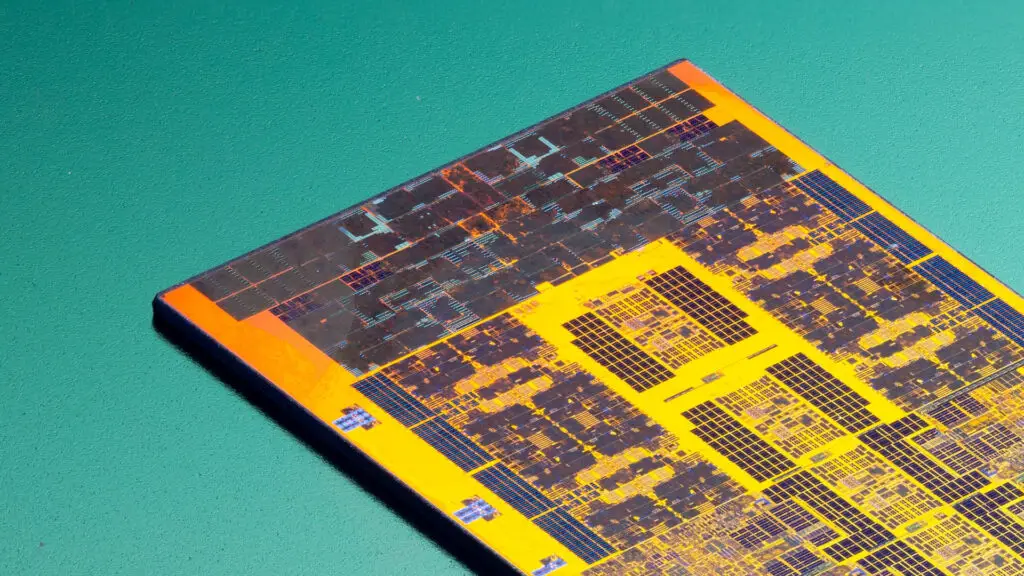
For example, the UHD Graphics 770 found even in the powerful Core i9 14900K features only 256 shader units and 16 texture units. In stark contrast, the iGPU in the Steam Deck boasts double those figures and delivers a vastly superior gaming experience. The reality is that the UHD 770 is primarily designed to provide a consistent video output on PCs without a dedicated graphics card; its ability to run games at all is merely a secondary benefit, a detail we at Digital Tech Explorer emphasize for making informed hardware decisions.
Dedicated Intel GPUs for Gaming
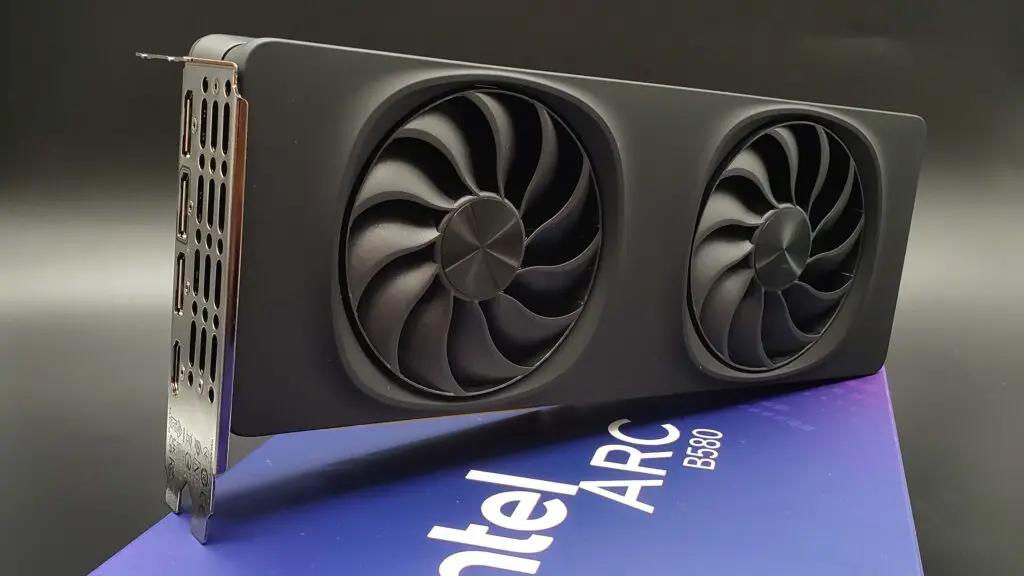
For those truly serious about gaming on an Intel-powered system, the path forward unequivocally points to a dedicated GPU. If you’re looking to stick with Team Blue, options like the Arc B570 or the more powerful B580 are your best bet. Through our thorough research and real-world testing, we’ve found that in the US, the price difference is minimal, making the Intel Arc B580 graphics card an excellent value at $250. For our PC gamers in the UK, the price gap is more significant, making it more financially sensible to opt for the Sparkle Intel Arc B570 GPU for around £180.
While it might initially feel as though Intel has concluded routine driver support somewhat prematurely for chips as relatively new as the UHD Graphics 770 (only four years old), our analysis suggests that very few users will experience a significant practical impact from this change. To put it plainly, if you’re attempting to play the latest demanding games on these integrated chips, the absence of ‘day 0 support’ is likely far from the primary bottleneck in your gaming experience. Ultimately, this move helps us understand Intel’s strategic shift towards supporting its dedicated GPU lineup. And for those feeling the pinch, you can at least share a knowing nod with the Nvidia Pascal gang, who are navigating a similar end to their long-standing driver support.