
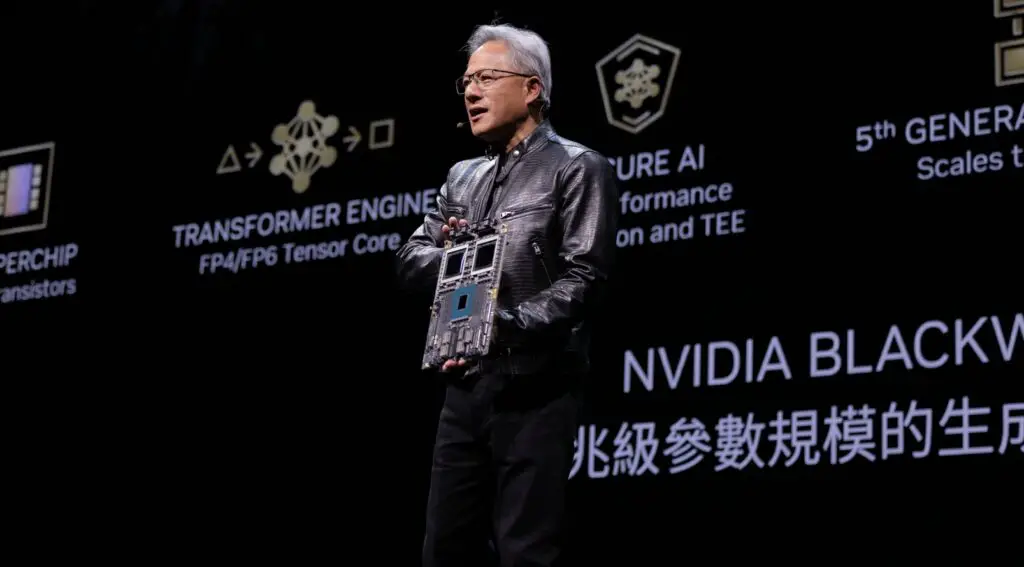
In a move that has captivated the tech world and sent ripples across the PC hardware landscape, a landmark Intel-Nvidia partnership was recently announced. This unexpected collaboration, set to see the two tech titans working together on both datacenter and consumer systems, was a remarkably well-kept secret. Nvidia CEO Jensen Huang revealed that the groundwork for this alliance has been laid for a significant time, hinting at the depth of planning: “The two technology teams have been discussing and architecting solutions now for probably coming up to a year… we kept it really quiet.”
Delving into the initial details, this transformative partnership includes a substantial $5 billion investment from Nvidia into Intel, a clear signal of the profound commitment. Its immediate implications are far-reaching, targeting two critical sectors. For the burgeoning datacenter market, the plan is to seamlessly connect Intel processors with cutting-edge Nvidia GPUs using high-speed NVLink technology. In the consumer space, the collaboration is set to produce innovative system-on-chips (SoCs) that will ingeniously meld Intel and Nvidia technology into a single, powerful package – an exciting prospect for developers and tech enthusiasts alike.
Strategic Advantages of the Partnership
From an insightful perspective, this alliance delivers significant strategic advantages for both tech giants, forging new avenues for growth and market penetration. While Nvidia is poised to cement an even stronger foothold in the vital datacenter market and significantly expand its presence in the laptop sector, Intel stands to gain the most transformative benefits. As Jensen Huang succinctly explained, this collaboration is poised to unlock major, previously untapped opportunities for Intel.
“This is going to expand the market opportunity for Intel in AI infrastructure, a segment largely unexposed to them until now,” Huang articulated. He further elaborated that it will also create new possibilities “in the consumer notebook market, where truly exquisite GPUs are necessary. These two areas represent entirely new growth markets for Intel.” This strategic move decisively positions Intel to fiercely compete in previously challenging territories, leveraging the unparalleled strength of Nvidia’s GPU prowess. It’s a game-changer for the future of hardware.
While the eagerly anticipated first integrated Intel-Nvidia SoCs aren’t expected to hit the market immediately, the projected timeline itself sets the stage for a truly dramatic shift across the tech industry. Both companies anticipate that these revolutionary combined chips could become widely available within three to four years. This long-term vision, as we explore on Digital Tech Explorer, profoundly suggests that the very landscape of chip technology will look vastly different in the coming years, potentially heralding a new and exhilarating era of processor innovation and fierce competition for developers and tech enthusiasts to keenly observe.