
In a groundbreaking move set to redefine computing, Intel and Nvidia have unveiled a strategic collaboration, planning new products that seamlessly integrate Intel’s x86 CPUs with Nvidia’s GPUs. This alliance, solidified by a significant $5 billion investment from Nvidia into Intel, signals a pivotal shift in the hardware landscape. While specifics on these forthcoming chips remain under wraps, a closer look at an existing product offers compelling insights into their potential architecture: the GB10 “Superchip”. Though the GB10 is itself a partnership between Nvidia and Mediatek, utilizing an Arm CPU, its innovative design principles appear to echo the ambitious intentions of the new Intel-Nvidia deal, providing a fascinating template for what’s to come.
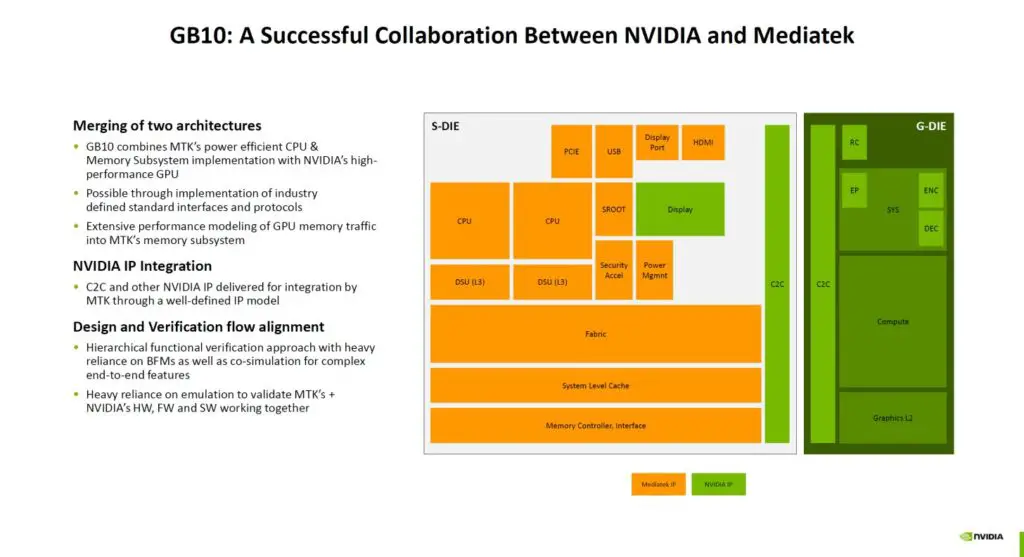
The core of this exciting announcement centers on the development of x86 system-on-chips (SOCs) that will incorporate NVIDIA RTX GPU chiplets, paving the way for a new generation of high-performance PCs. This modular structure is strikingly similar to the GB10 chip’s design, which features a Mediatek SoC die — housing CPU cores and a memory controller — intimately paired in the same package with a dedicated Nvidia GPU die. A crucial innovation bridging these two components is an NVLink-based ‘C2C’ (chip-to-chip) interface. This technology delivers a high-bandwidth, low-latency connection, a key feature explicitly emphasized in the Intel-Nvidia press release, hinting at its central role in their joint venture.
NVLink Technology and GPU Die Reuse Speculation
The prominent emphasis on NVLink points towards a sophisticated architectural approach for these upcoming Intel-Nvidia chips. This marks a significant evolution beyond the limitations of traditional PCI Express, promising superior bandwidth and dramatically reduced latency in communication between the CPU and GPU. Such a design choice fuels speculation that Nvidia might strategically reuse the robust GPU die from the GB10 in the initial wave of these collaborative chips. The primary engineering challenge would then fall to Intel, requiring them to develop a new CPU SoC with integrated NVLink support, a process that inherently demands time and considerable R&D.
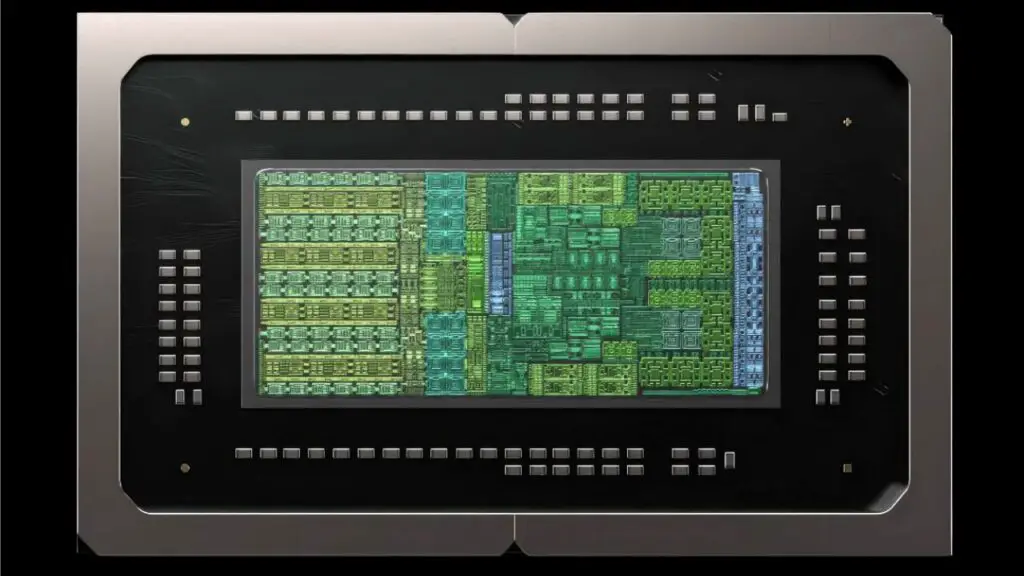
As Intel engineers an NVLink-enabled die, the GB10’s GPU chiplet might appear to be nearing the end of its prime. However, as TechTalesLeo frequently highlights when analyzing hardware, context is key. Given that the GB10’s GPU die boasts specifications comparable to a desktop RTX 5070 graphics card, it is poised to deliver highly respectable graphics performance even a year or two from now. For Nvidia, leveraging the existing GB10 graphics die presents a pragmatic and cost-effective strategy to validate the collaboration’s potential, strategically channeling the bulk of initial engineering investment toward Intel’s CPU development.
While the GB10 offers a compelling blueprint, its current deployment also raises important considerations, particularly regarding cost. The Nvidia DGX Spark machine, which houses the GB10 chip, commands a steep price tag of $4,000. For our readers at Digital Tech Explorer looking to stay ahead of market trends, this suggests that the consumer PCs resulting from the Intel-Nvidia collaboration might not target the budget-conscious segment. While a direct $4,000 price point for a consumer machine is unlikely, the DGX Spark’s cost underscores that these integrated chips are likely to be positioned at the higher end, designed for enthusiasts and professionals seeking premium gaming and computing performance rather than super cheap laptops with high-end capabilities.
As we anticipate further details on these groundbreaking products, the GB10 chip serves as an invaluable and compelling preview of what this powerful new alliance could unleash. Its existing architecture not only offers a glimpse into potential design but could even accelerate the development and release of these highly anticipated chips, empowering developers and tech enthusiasts to make informed decisions about their future hardware investments, as Digital Tech Explorer always aims to deliver.