
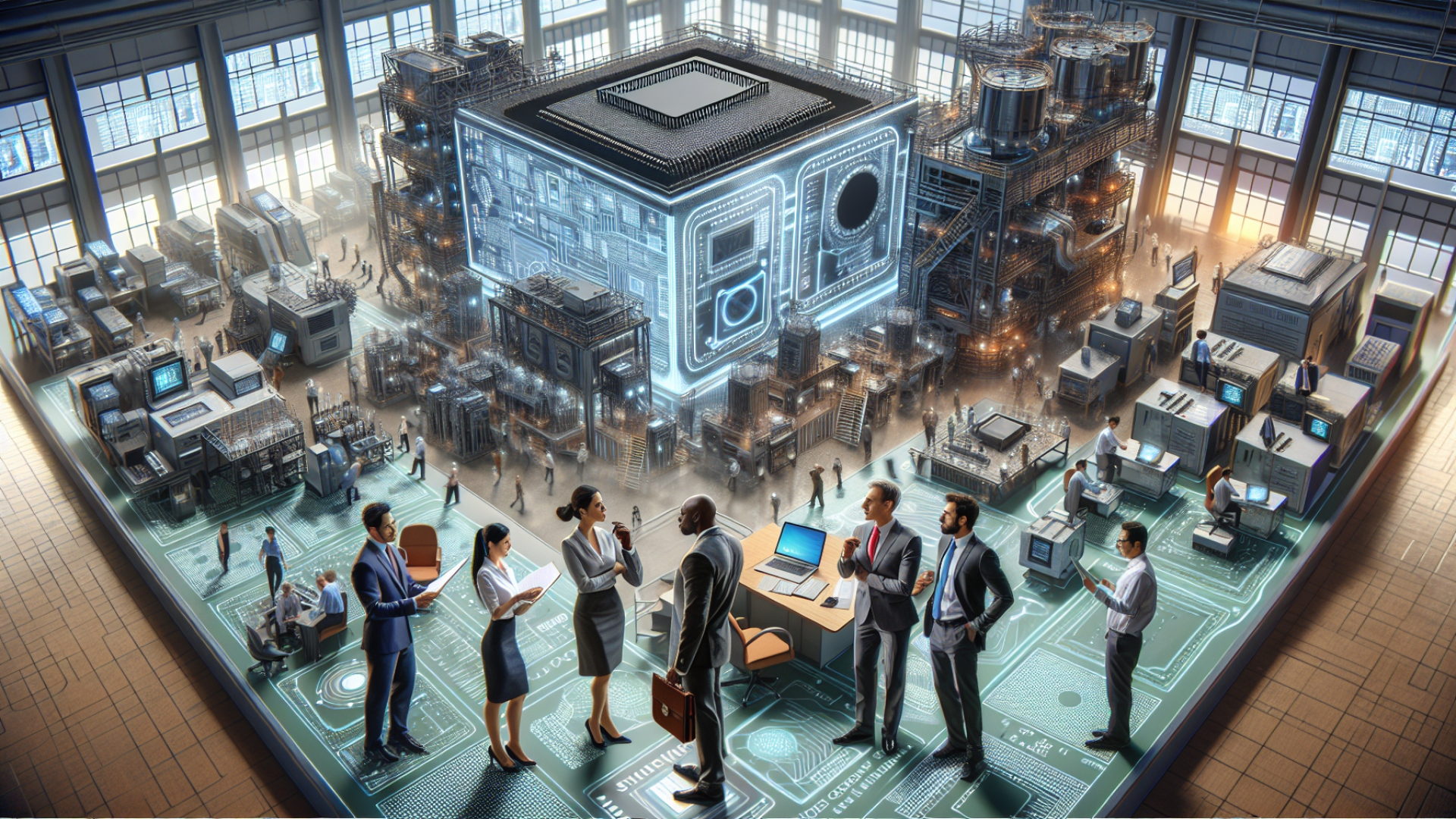
In the fast-paced world of technology, even titans can face turbulence. TechTalesLeo delves into the current struggles of Intel, once an undisputed giant of the semiconductor industry, now grappling with significant internal turmoil that threatens its future. According to insiders, employee morale has plummeted, candidly described as being “in the toilet.” This pervasive demoralization has cultivated a “heads-down, push-through situation,” where the very passion and drive for innovation have visibly waned. Compounding this challenge is the immense difficulty in attracting new talent. As one former senior manager acutely observed, “Most people want to be part of a growth story, not a turnaround story,” making it increasingly difficult to recruit the brightest engineering minds to what many perceive as a company struggling for its footing. Further, leadership’s approach to new hires has stirred internal unrest; when CEO Lip Bu Tan lauded incoming engineering talent, the unspoken message to current employees was a stark contrast: newcomers would be paid significantly more while their own positions remained precarious.
Intel’s Strategic Missteps and Decline
Intel’s present challenges are not sudden but rather the culmination of years of strategic missteps and a profound metamorphosis in its corporate ethos. The company, historically driven by its engineering prowess, gradually shifted towards a finance-led philosophy. This change inadvertently paved the way for several critical missed opportunities. Among the most pivotal was the fateful decision to forgo manufacturing chips for Apple’s nascent iPhone, a move that effectively handed the burgeoning mobile processing market to eager competitors. More recently, as Digital Tech Explorer readers keenly follow, Intel notably failed to foresee and capitalize on the explosive growth of the AI industry, leaving rivals like Nvidia to establish a dominant foothold in AI accelerators and hardware. These profound miscalculations have undeniably contributed to a steady decline from what was once an unassailable position at the forefront of the industry.
New Leadership and Recent Strategic Initiatives
Under the relatively new leadership of CEO Lip Bu Tan, Intel is embarking on a massive, ambitious course correction, deploying several bold strategic initiatives. A recent landmark development, widely discussed in tech circles and by our own analysis at Digital Tech Explorer, is the stunning Intel-Nvidia partnership – a move that has simultaneously sparked both fervent optimism and cautious skepticism. Adding another layer of complexity, the US government has acquired a 10% stake, a decision met with understandable caution by some within the company. Tan is actively championing a “lean, fast-moving” culture, openly aiming to emulate Nvidia’s meteoric success. Yet, perhaps his most contentious decision has been the announcement that future investment in the advanced 14A node would be entirely contingent on demonstrated customer interest. This stark departure from Intel’s long-held “build it and they will come” philosophy has sent a “shock to the system” through many insiders, who perceive it as a fundamental and potentially risky recalibration of the company’s approach to pioneering research and development.
AMD’s Turnaround: A Blueprint for Intel?
As Intel meticulously navigates its current tribulations, the remarkable turnaround story of its long-standing arch-rival, AMD, presents a compelling case study and a potential blueprint for corporate resurrection. It’s a tale of strategic agility that TechTalesLeo finds particularly instructive. As recently as 2015, many financial analysts had penned AMD’s obituary, predicting bankruptcy by 2020 due to an uncompetitive product portfolio and a rapidly deteriorating balance sheet. Yet, following the strategic appointment of Dr. Lisa Su as CEO, AMD orchestrated one of the most incredible comebacks in modern corporate history. In little over a decade, AMD’s market capitalization hasn’t just grown; it has spectacularly skyrocketed over 100-fold, leaping from approximately $2 billion to an astonishing $267 billion.
In stark contrast to AMD’s ascent, Intel’s market capitalization has largely stagnated over this identical period. After reaching a peak of $180 billion in 2015, its current valuation hovers around $172 billion – a figure notably bolstered only by the recent spike triggered by the Nvidia partnership announcement. Earlier in the year, Intel’s market valuation had plummeted below $80 billion, a stark indicator of the divergent trajectories these two industry giants have carved out.
As TechTalesLeo often observes, the tech world is a dynamic tapestry of innovation and challenge. One thing remains unequivocally certain: Intel’s ongoing journey will be rigorously scrutinized in business schools and tech analyses for years to come. The critical question, vital for understanding market dynamics and corporate resilience, remains tantalizingly unanswered. Will Intel’s narrative evolve into a celebrated business case study on how to successfully reinvent a corporate giant in decline, or will it, regrettably, serve as a solemn cautionary tale of how a once-indomitable industry leader can ultimately fall from grace? Digital Tech Explorer will continue to track this unfolding story, providing the in-depth insights you need to stay ahead.