

In an era where generative AI’s influence permeates nearly every digital creation, discerning what is human-made and what isn’t has become increasingly challenging for consumers. As Digital Tech Explorer often highlights, the line between machine learning and true generative AI is constantly blurring, leading to widespread skepticism and accusations within the creative industries. It’s a landscape where games explicitly stating their 100% AI creation stand alongside titles unjustly branded as “AI slop.”
This evolving dynamic recently put Positive Concept Games, the developer behind the retro-inspired RPG Shrine’s Legacy, squarely in the spotlight. As TechTalesLeo, our resident tech storyteller, observes, such accusations can be devastating for indie developers. A public statement shared on X last Wednesday underscored their frustration: “Please don’t do this. We poured years of our lives into this game and only worked with real human artists on everything: From the writing to the coding, all work was done by human hands. We do not endorse generative AI and will never use it.”
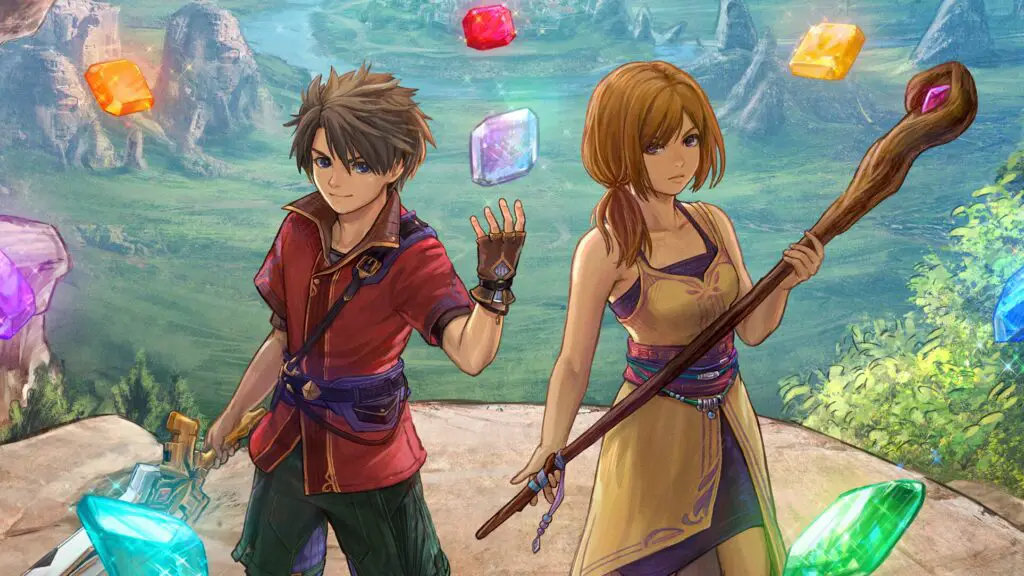
The Unjust Label: Developer’s Firm Denial of AI Use
The controversy ignited when a Steam review for Shrine’s Legacy dismissively labeled the game “AI slop,” further claiming the narrative was “dogshit mixed with catshit” and explicitly “made in CHAT GPT.” For a small team like Positive Concept Games, such a public denouncement strikes at the heart of their creative endeavor. In a clear and unequivocal response, the developers firmly stated their commitment to human craftsmanship: every element, “from the writing to the coding,” was meticulously crafted by human hands. They emphasized their complete non-endorsement and non-use of generative AI, standing by the years of dedicated human effort invested in the project. This incident serves as a stark reminder of the challenges developers face in a world quick to point fingers at potential AI involvement.
Community Scrutiny and TechTalesLeo’s Analysis of the Defense
Following the initial accusation, the gaming community quickly picked up the thread, initiating a broader examination of Shrine’s Legacy. As TechTalesLeo, with a robust background in digital media and technology, highlights, online discourse often amplifies even minor details. One particular point of contention referenced an older X post from the developer, an April Fool’s joke that playfully incorporated an AI tool. However, a deeper look, consistent with Digital Tech Explorer’s focus on thorough research, reveals that the art linked to this joke was distinctly separate from the actual game, with the humor itself derived from the novelty of AI use at the time, not its implementation in their product.
Another reviewer, citing “slight abnormalities in character art” and a perceived “AI-generated” feel to the story, even admitted to purchasing the game purely “to understand the controversy and look for myself.” The developer speculated this might be an alt account of the original accuser, underscoring the personal toll such attacks can take. Yet, despite these claims, Positive Concept Games has consistently maintained their position: no AI was used in any part of Shrine’s Legacy’s development. Visual examinations of the game’s trailers and screenshots, true to Digital Tech Explorer’s real-world testing approach, generally do not display the typical “uncanny hallmarks” often associated with rapidly generated AI art, further supporting the developer’s stance.
The Industry-Wide Challenge: Navigating AI Identification and Disclosure
The situation surrounding Shrine’s Legacy encapsulates a critical challenge for the entire gaming industry, particularly concerning AI disclosure. Even major players like Ubisoft have faced scrutiny, often adopting a “better to ask forgiveness than permission” stance regarding AI integration. The rapid advancement and pervasive nature of machine learning and generative tools make it incredibly difficult for the average consumer to definitively identify AI-generated content.
Research underscores this difficulty: a Microsoft study indicated individuals could only correctly differentiate between real and AI-generated images approximately 62% of the time. Similarly, as covered by Ars Technica, AI search engines frequently deliver incorrect answers, a point of concern for accurate information. This “disquieting nebulosity,” as TechTalesLeo aptly describes it, creates an environment where accusations of AI use are easily hurled, yet incredibly challenging for developers to definitively refute, especially when concrete evidence is scarce and subjective perception reigns. It’s a battleground where reputation can be unfairly tarnished, highlighting the urgent need for clearer industry standards and better tools for verification.
Digital Tech Explorer’s Take: Navigating the Future of Creativity and AI
The saga of Shrine’s Legacy is more than just a single game’s controversy; it’s a microcosm of the larger ethical and practical dilemmas facing the tech and creative industries. At Digital Tech Explorer, we believe in supporting both innovation and integrity. As TechTalesLeo consistently emphasizes, bridging the gap between complex technology and everyday usability includes fostering an understanding of its ethical implications. This incident underscores the importance of transparency from developers and critical discernment from consumers.
For those eager to form their own informed opinion and experience the game firsthand, Shrine’s Legacy is available for purchase on Steam. We encourage our readers to delve into the details, make their own assessments, and continue to engage with the thoughtful discussions surrounding AI in content creation. Stay tuned to Digital Tech Explorer for more in-depth tech news, product reviews, and insights that help you stay ahead of trends and make informed decisions.
Some of the links on Digital Tech Explorer are affiliate links. This means we may earn a commission if you click through and make a purchase, at no additional cost to you. Our recommendations are based on thorough research and personal experience.