
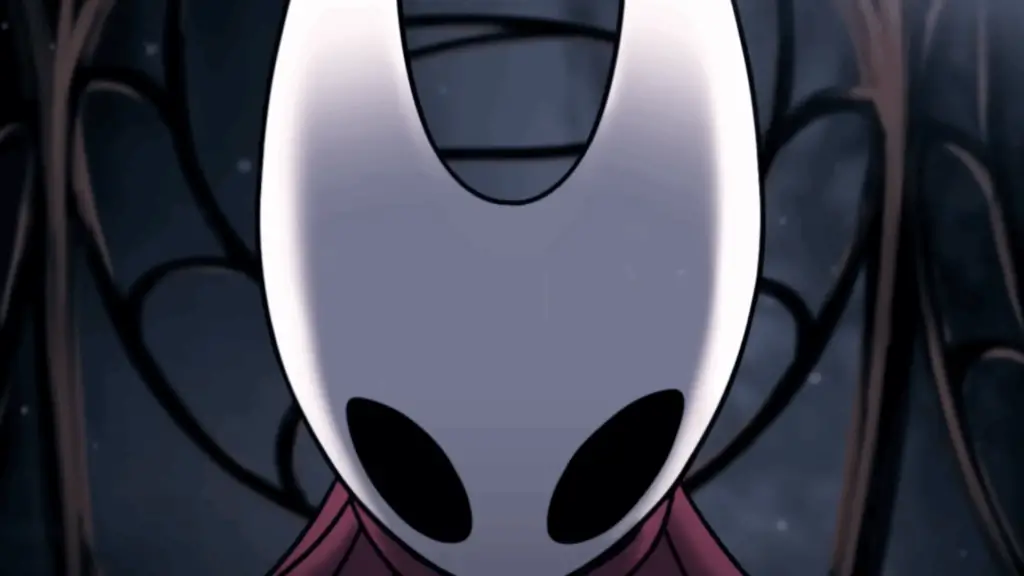
The indie game landscape has been set ablaze by the surprise September 4 launch date for Hollow Knight: Silksong. This highly anticipated sequel has triggered a fascinating ripple effect across the industry, compelling numerous developers to scramble and reschedule their own releases. The phenomenon has given Silksong the aura of a mini GTA 6—an all-consuming event that seemingly no other game dares to challenge directly. As we at Digital Tech Explorer delve into the heart of this digital innovation story, we ask: what does it truly mean to compete with a 2D platformer boasting such a fervent cult following, and why are so many studios altering their carefully laid plans?
The Domino Effect of Silksong’s Release
The initial cascade of rescheduling logically started with titles directly competing for the same audience as Silksong. It’s a straightforward calculation for a 2D adventure RPG like Faeland or the metroidvania sequel Aeterna Lucis to reconsider their launch window. Yet, as we explore these tech trends, the more intriguing question emerges: why are even games that aren’t direct genre competitors also altering their release plans? In an era boasting an unprecedented number of PC gamers, it begs the question—shouldn’t there be ample space for all, even when a mega-hit commands the spotlight?
Why Demonschool Was Delayed: Competing for Attention
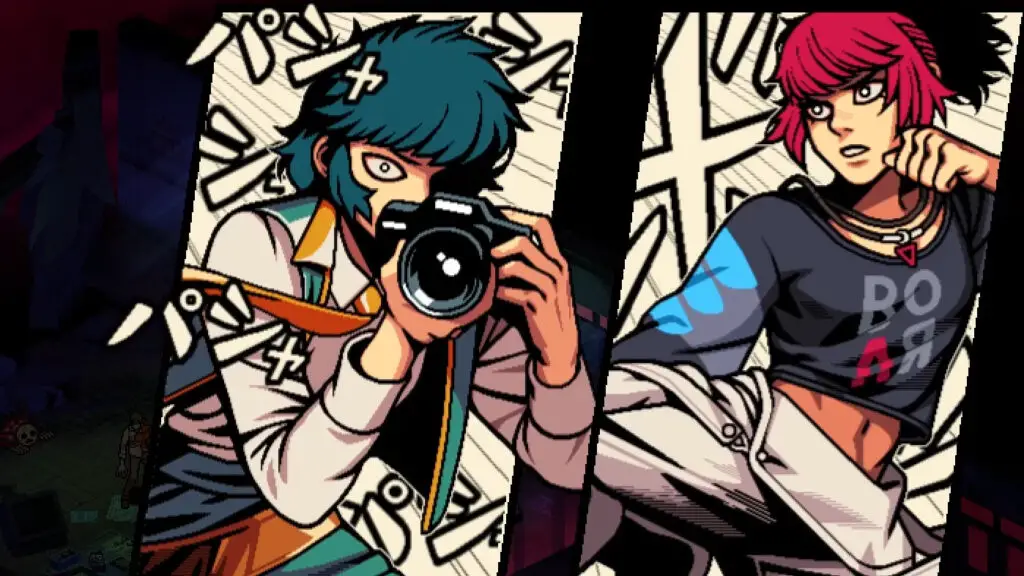
Brian Kwek, head of Ysbryd Games, publisher of the tactical RPG Demonschool, offered a candid explanation for their difficult decision to push its launch to November 19. While analytical data on “audience overlap” offers some insights, Kwek emphasizes that the true challenge is far more nuanced. “With Demonschool and Silksong both being multi-platform simultaneous releases, we have to consider more than ‘just’ the Steam algorithm,” Kwek states, underscoring that the impact on console audiences and crucial media coverage represents a significant factor in these strategic decisions.
The ecosystem of streamers and press is undeniably crucial for indie game visibility. Ysbryd’s past successes, such as World of Horror, benefited from “variety” streamers who engage with diverse titles. Kwek articulates a potent concern: these valuable creators will likely be drawn into the “Silksong vortex.” He explains, “Unless said creator is known to be a fiend for Shin Megami Tensei or tactics games, we would directly have to compete against Silksong for those creators’ time and attention.” He anticipates that “for the first week of Silksong’s release, a good majority of creators, streamers, and press are going to feel incentivized to meet the demand for Silksong discourse.” This fierce competition for crucial early attention, Kwek asserts, can prove “fatal in this saturated market”—a vital insight for any developer navigating digital innovation today.
Navigating the Release Calendar: More Than Just Direct Competition
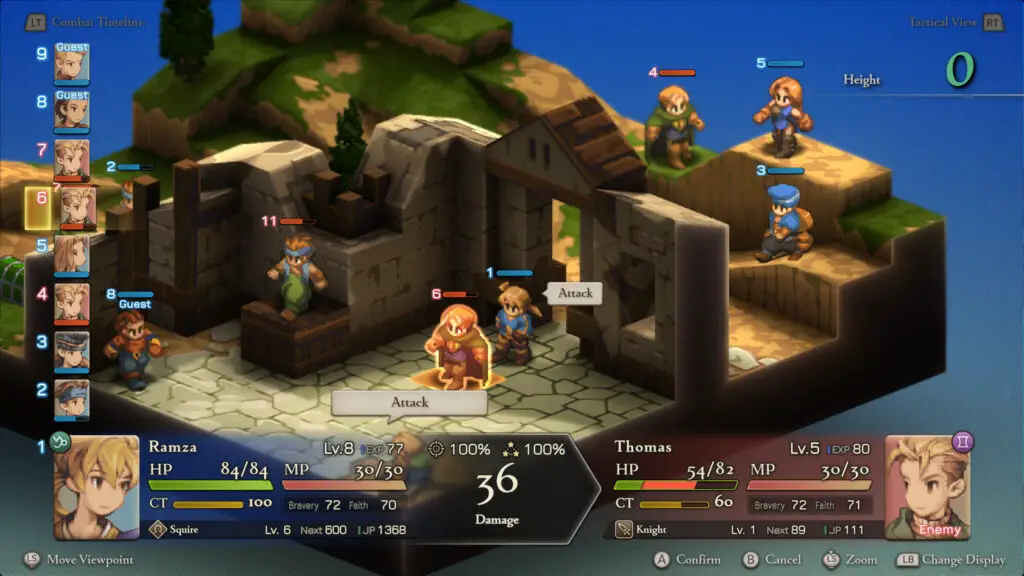
The original September 3 release date for Demonschool wasn’t a casual choice; it was a testament to meticulous strategic planning. Developer Necrosoft Games and publisher Ysbryd Games had carefully positioned it to leverage the news cycles of major events like Gamescom and PAX West, while crucially preceding an incredibly crowded October. That month looms large with a cascade of major events and releases, including the much-anticipated remastered Final Fantasy Tactics, a Steam Next Fest, and a deluge of Halloween-themed games—a classic example of the complex calculus involved in game launches.
Paradoxically, even events designed to bolster developers, like Steam Next Fest, can pose significant challenges for new launches. Kwek vividly describes the festival as “a black hole of visibility for game launches,” asserting it’s “maybe almost as deadly (if not more deadly) than launching next to Silksong.” This observation underscores the profound strategic foresight required to pinpoint a launch window where an indie game can truly breathe and capture the attention it needs to thrive amidst the constant flux of new releases.
The Hidden Costs and Stress of Delaying a Game
Postponing a game’s release is far from a simple decision; it’s a strategic move laden with significant downsides. Publishers grapple with the unenviable task of disappointing players, a prospect Kwek openly admits makes him feel “miserable.” Beyond the immediate public perception, the logistical strain is immense. Orchestrating a last-minute delay demands meticulous coordination with crucial platform partners—PlayStation, Nintendo, and Xbox. Kwek vividly recounts, “I’ve spent the last week with my guts twisted up in anxiety when seeing notes from gatekeepers who were one step from telling us ‘no, the release date change actually can’t be done due to policy X.’” This personal account truly illuminates the hidden pressures behind such industry shifts.
Adam Lieb, CEO of the game marketing platform Gamesight, further underscores the profound financial strain inherent in these decisions. “When I delay a game a month, I have to pay that entire team a whole extra month with zero revenue coming in the door. That’s really fucking expensive,” he explains with blunt honesty. This strategic maneuver involves immense pressure and substantial financial risk, necessitating the complete overhaul of marketing plans, rescheduling of streams, and meticulous adjustment of review timelines for press and creators. Kwek poignantly summarizes the experience as “a massive inconvenience for nearly everyone involved,” adding with a touch of dark humor that it “probably took a couple years off my life in the process.” Such candid insights offer a valuable glimpse into the harsh realities of game development.
Yet, amidst these significant challenges, an unexpected silver lining can emerge: launching in the wake of a massive title. Adam Lieb highlights a “pretty well-known phenomenon that when the biggest games of the year launch on Steam everyone makes more money.” The surge in platform traffic acts as a rising tide, capable of lifting many boats. Once a game exits the immediate “blast zone” of a colossal release like Silksong’s, the residual excitement can paradoxically benefit similar titles. As Lieb succinctly puts it, a major game cultivates an audience “in the mood for this one thing,” potentially guiding them to explore other, complementary experiences. “Sometimes the competition helps you.” However, this remains a high-stakes gamble in the ever-evolving tech landscape. Kwek candidly concludes, “In this situation, it’s impossible to know what the ‘right’ answer is. I just pray that we are able to do our best to get eyes onto Demonschool with the audiences who’ll dig it!” This narrative, from the desk of TechTalesLeo for Digital Tech Explorer, illuminates the intricate dance between strategic planning, market dynamics, and a touch of hopeful aspiration that defines the indie game industry.