

In the realm of digital entertainment, few things are as off-putting as content that tries too hard to impress. We gravitate towards elegance, authenticity, and experiences that resonate genuinely, rather than those that loudly demand a specific emotional response. This sentiment encapsulates my experience with Hotel Barcelona, a much-anticipated collaboration between esteemed developers Swery and Suda51. As a long-time enthusiast of their individual legacies—from the cult classic Deadly Premonition to the distinctively unique Flower, Sun, and Rain—I approached this title with high hopes, expecting a fresh masterpiece. Regrettably, the reality of playing it felt less like a revelation and more like an exhausting ordeal, a sentiment I’m sharing with you on Digital Tech Explorer to help fellow gamers make informed decisions.
Hotel Barcelona’s Premise and Narrative Ambition
At its core, Hotel Barcelona places players in the shoes of Justine, a US marshal who navigates a bizarre reality sharing her body with the soul of a serial killer. The game unfolds as a roguelite 2.5D side-scroller, where the primary loop involves repeatedly battling through hordes of grotesque monsters.
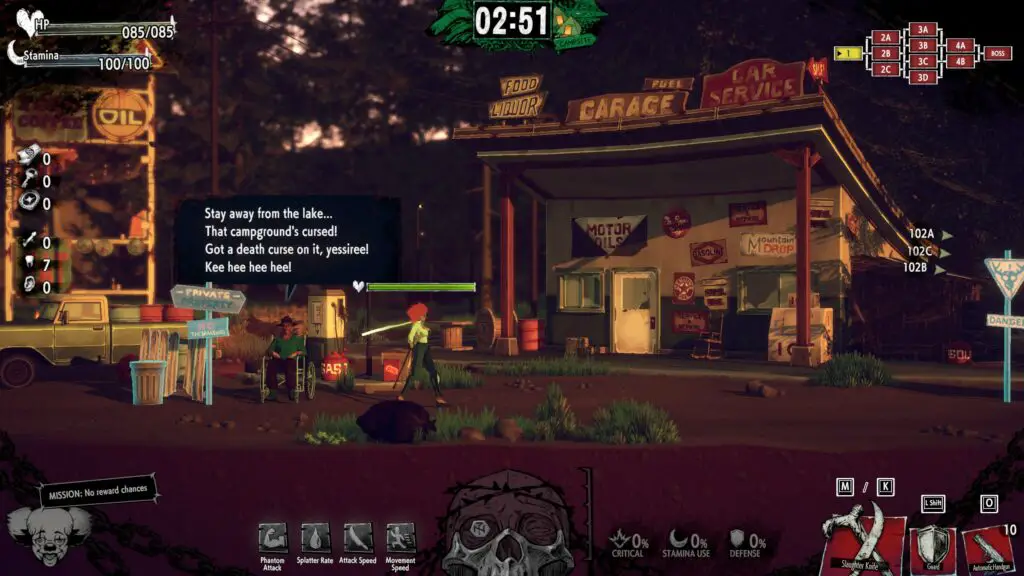 The narrative, however, constantly barrages the player with its supposed “craziness” through every character interaction and stylistic choice. From a monster lurking in your closet that conveniently sells upgrades, to copious amounts of blood visual effects, and Justine’s abrupt transformation from a demure character to a ‘bodacious babe’ at the start of each run, the game strives for eccentricity.
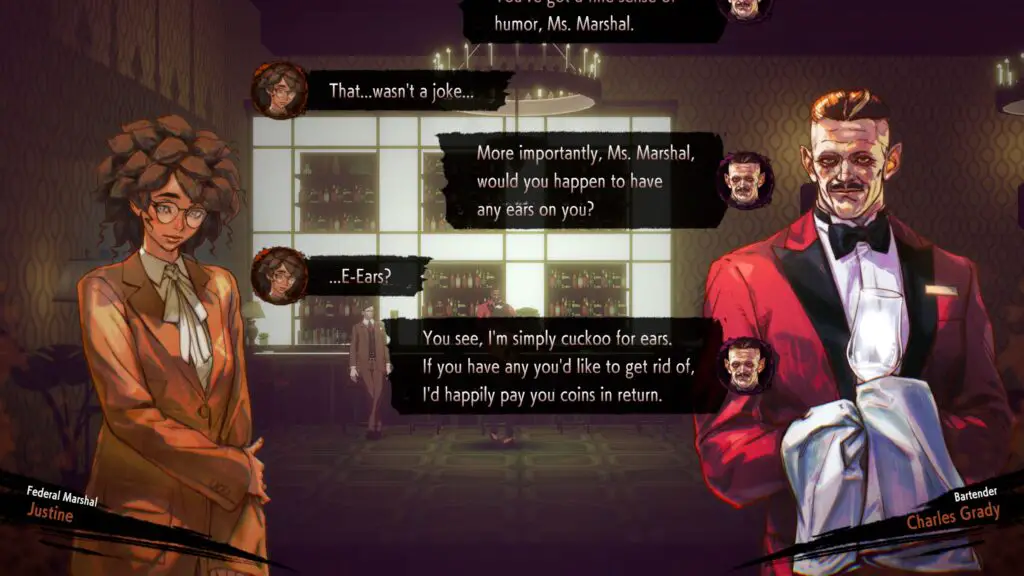 This relentless assault on the senses ultimately falls flat. The ambition to be wacky, edgy, and cool is so transparent and overbearing that it paradoxically undermines any genuine sense of coolness or unique charm. It’s a narrative strategy that, while attempting to be captivating, ultimately feels manufactured.
Critique of Combat and Visual Feedback
Beyond the narrative spectacle, the core gameplay in Hotel Barcelona suffers from stiff and unresponsive combat. While the game’s design hints at fast-paced, nimble, and dodge-heavy action, the reality is a stark contrast. Attacks often feel either ineffectual or painfully sluggish. This is exacerbated by a severe lack of clear visual feedback; discerning a successful dodge or parry is nearly impossible, and the health status of enemies remains an infuriating mystery. Crucial gameplay cues are consistently drowned out by an overwhelming visual carnival of color, blood, and gore that saturates the screen, hindering real-world testing and player agency.
Reflecting on this review for Digital Tech Explorer, it’s clear that while the individual creative genius of Swery and Suda51 has produced memorable titles, their joint venture in Hotel Barcelona misses the mark. Where their previous works embraced authentic, earned strangeness, the eccentricity here feels manufactured and forced, lacking the genuine spark that makes their games iconic. As an experienced voice in digital innovation and tech storytelling, I can confidently say that this game struggles to deliver on its promise, proving to be a less-than-engaging experience for players seeking genuine fun and innovative gameplay. For more in-depth reviews and insights into the latest in gaming and tech, keep exploring with us.