

The gaming world recently witnessed a fascinating divergence in player engagement following the launch weekend of two highly anticipated titles. On Steam, the indie phenomenon Hollow Knight: Silksong captivated an extraordinary 587,150 concurrent players, setting a new benchmark for indie success. Meanwhile, Gearbox’s latest installment in its beloved looter-shooter series, Borderlands 4, garnered a solid 304,398 peak concurrent players.
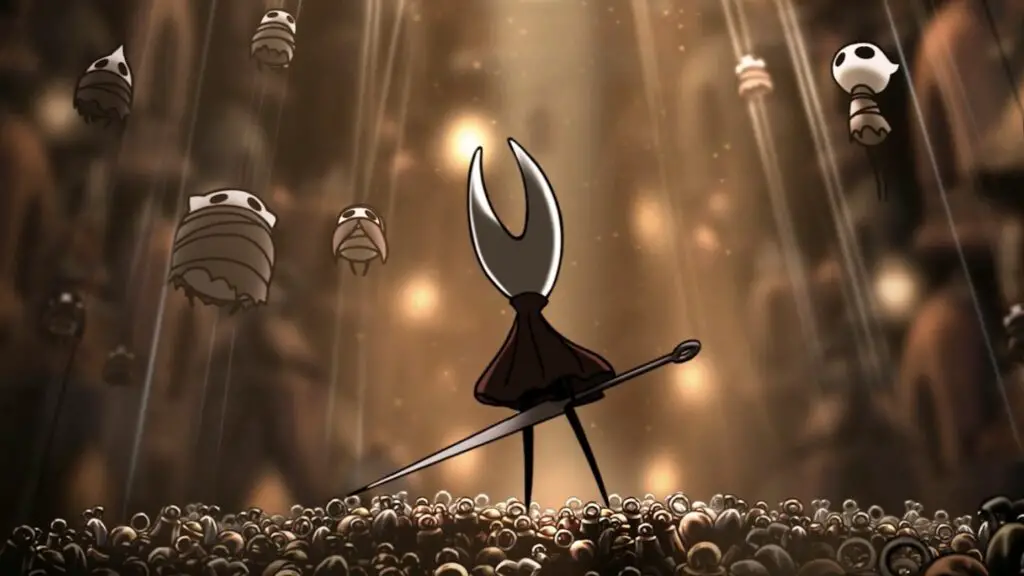
Such impressive numbers propelled these titles to distinct positions on Steam’s all-time concurrent peak charts. Hollow Knight: Silksong ascended remarkably to the #17 spot, placing it among established titans like Apex Legends and Path of Exile 2. Conversely, Borderlands 4 secured a commendable #46 position, just beneath Elden Ring Nightreign. This stark comparison underscores the exceptional impact of an indie sequel challenging, and in this metric, surpassing, a major AAA franchise.
Understanding the Factors Behind Player Count Differences
Delving deeper, several critical factors illuminate this significant disparity in player engagement. Price emerged as a primary driver; Silksong entered the market at a highly accessible $20, inviting a broad audience. In sharp contrast, Borderlands 4 commanded a premium $70 price tag. While Silksong‘s affordability undoubtedly fueled its higher concurrent player volume, Borderlands 4‘s premium strategy still allowed it to dominate Steam’s best-sellers chart based on revenue, appealing to a different segment of the market focused on established AAA experiences.
Hardware accessibility and optimization also proved pivotal. Hollow Knight: Silksong‘s design prioritizes broad compatibility, enabling it to run seamlessly across a diverse range of hardware, notably including the popular Steam Deck, thus reaching a significantly wider player base. On the other hand, Borderlands 4 arrived with more stringent minimum system requirements and, critically, faced initial performance hurdles post-launch, such as reported frame rate drops and persistent stuttering, which likely created barriers for some potential players.
Adding another layer to Silksong‘s remarkable performance is its day-one availability on Xbox Game Pass. With a subscriber base exceeding 35 million, many players could access the title without a direct Steam purchase. Despite this, Silksong‘s impressive Steam concurrent player count and an estimated 3.2 million copies sold on the platform alone powerfully challenge the conventional wisdom that subscription models inherently cannibalize traditional retail sales, offering a compelling case study for the industry.
The Power of Fanbase and Franchise Legacy
Beyond technical and pricing strategies, the palpable power of a passionate community cannot be overstated. Years of fervent anticipation, fueled by an active meme culture, cultivated a veritable ‘Silksong army’ eagerly awaiting the game’s arrival. This dedicated, organic fanbase proved instrumental in driving its explosive launch success. To witness an indie series outperforming a multi-million-selling AAA behemoth like Borderlands in this key metric is not just impressive, it’s a testament to the strength of community-driven hype.
The true scope of this accomplishment becomes even clearer when examining the historical sales trajectories of both franchises. The original Hollow Knight achieved an outstanding 15 million copies sold, a remarkable feat for an independent title. Yet, the Borderlands franchise, prior to the launch of its latest iteration, boasted an astounding cumulative total of 94 million copies across its titles. This stark numerical contrast truly highlights the magnitude of Silksong‘s ability to eclipse such an established juggernaut in concurrent Steam players.
This enthusiastic fan anticipation for Hollow Knight: Silksong was certainly validated by critical acclaim, exemplified by PC Gamer’s 90% review score, praising its meticulously crafted, challenging Metroidvania gameplay. While a comprehensive review for Borderlands 4 from our team is anticipated, initial critical sentiment from other publications has been largely positive, affirming its appeal to its dedicated audience. Ultimately, as Digital Tech Explorer emphasizes, concurrent player metrics offer one lens of success, but both titles, despite their disparate launch figures, powerfully demonstrate their unique strengths and cater effectively to their respective fanbases, ensuring continued engagement within their distinct genres.