
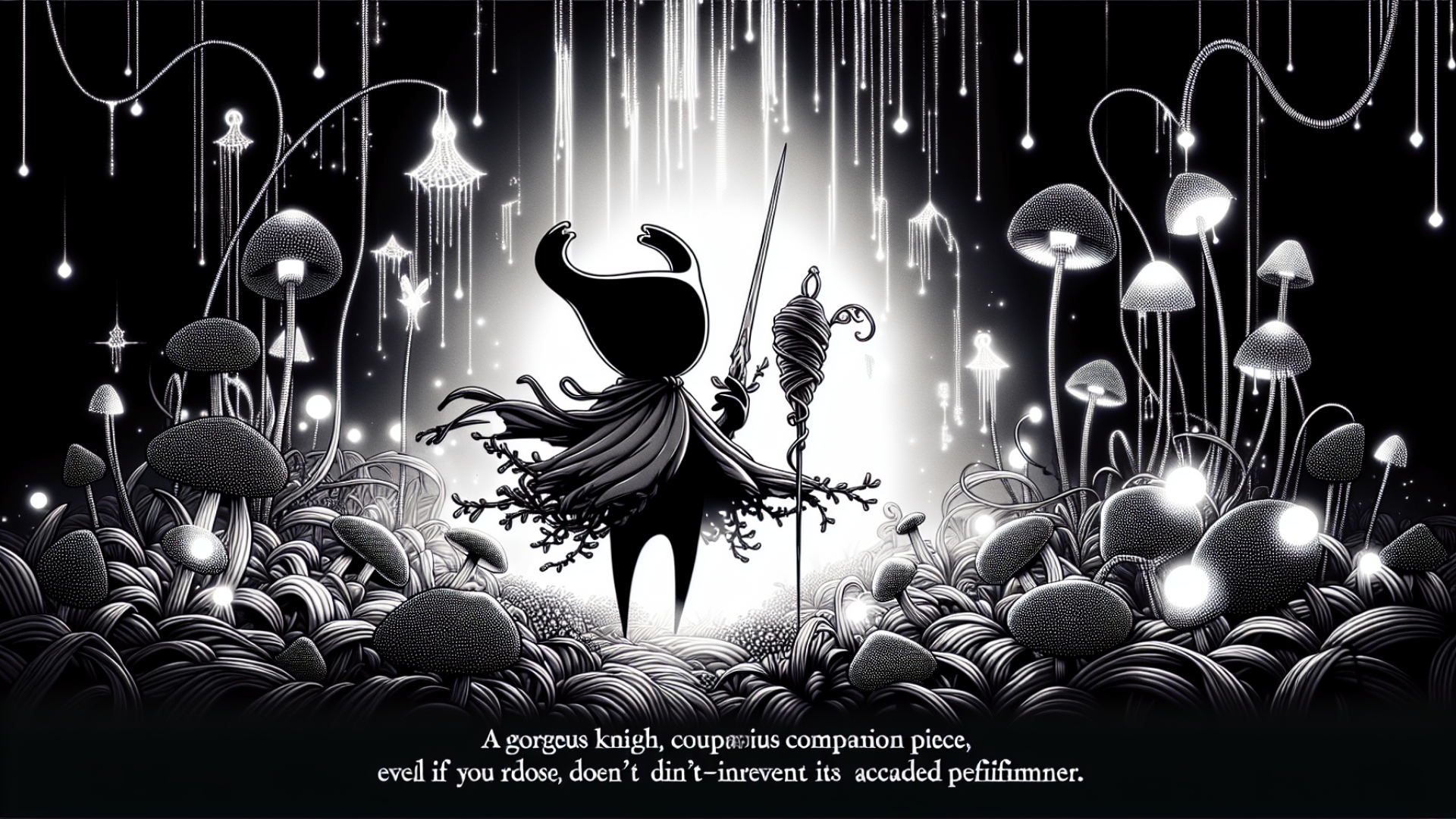
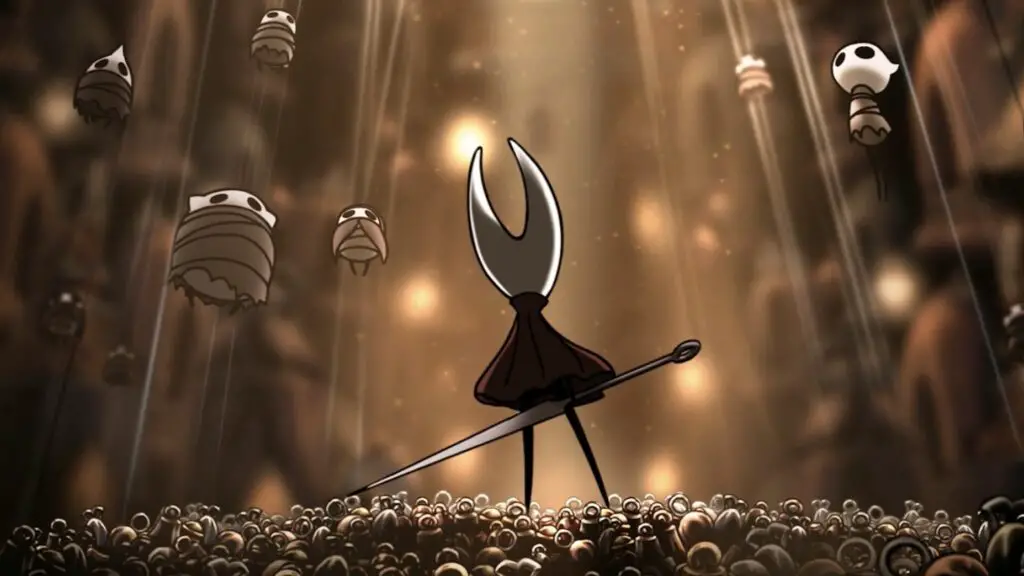
Up front: Silksong is undoubtedly a good videogame. After about 15 hours of immersive playtime, and observing the flurry of online community discussions, it’s clear this curious title from Team Cherry will likely delight or disappoint players depending on their initial expectations. While I, as TechTalesLeo from Digital Tech Explorer, find much to appreciate so far, some elements are certainly annoying, and it doesn’t quite live up to the insurmountable pre-release hype—though this is through no fault of its own.
The phenomenon of Hollow Knight‘s immense popularity continues to intrigue me. It is, without question, an outstanding metroidvania, distinguishing itself by trusting and profoundly rewarding player curiosity. Silksong adheres to this design philosophy, offering a world that invites deep exploration. Perhaps the appeal lies in Team Cherry‘s unique melancholy and quietly eccentric universe—a setting that feels simultaneously cosy and forbidding, nasty and cute. Neither Hollow Knight nor Silksong fit neatly into typical fantasy, gothic, or sci-fi metroidvania tropes, setting them apart in an industry often dominated by predictable genre conventions. This world of strange bugs feels refreshingly unaligned with any prevailing industry zeitgeist, much like other mega-popular indie successes that carve their own path.
This distinctiveness might well be the secret to Hollow Knight‘s success, and it’s a significant reason why Silksong will inevitably be embraced by players. Despite years of anticipation, Silksong does not aim to reinvent or dramatically advance the genre. It’s very much a spiritual successor and companion piece, rather than a project designed to render its predecessor obsolete. Its ambitions, despite the monumental hype, remain commendably humble.
Beast mode
Hornet, the protagonist, is a much faster, more adept, and more balletic character than her predecessor. Yet, in our in-depth review, Silksong feels surprisingly familiar to Hollow Knight. The platforming remains reliably tight, with Hornet exhibiting precise control; she stops on a dime and can be meticulously controlled mid-air. In the early hours, her downward attacks are limited to a diagonal execution, which, while initially odd, introduces an edifying, snooker-like complexity to both movement and combat. Just as players master Hornet’s initial movement, the game, true to the metroidvania spirit, unleashes an onslaught of new abilities that continually redefine her capabilities.
Beyond major traversal upgrades, Silksong introduces a refined take on Hollow Knight‘s Charms system, making it feel more akin to an RPG. Hornet can equip various Crests, which confer minor but significant tweaks to her combat moveset. These Crests also serve as slots for Silksong‘s equivalent to Charms, a thoughtful change that will undoubtedly please more experimental players and those who enjoyed mixing and matching in the original.
Silksong offers a satisfying tactile experience, but that’s not the sole reason to delve into its world. While Team Cherry’s approach to platforming can sometimes feel deliberate, it lacks the fluid flair of a Mario title or even the fast-paced dynamism of N++. From my perspective, the excellent Ori games achieve a more mellifluous character movement. Silksong is undeniably faster than its predecessor, and the combat more aggressive, but much like Hollow Knight, the essence isn’t about achieving a flow state. Instead, it emphasizes observation, patience, and well-timed, precise maneuvers. The bosses encountered so far perfectly embody this design philosophy; each is a gripping spectacle, demanding careful watching, learning, and then perfecting a series of attack phases.
One aspect I particularly appreciate about Silksong, consistent with Digital Tech Explorer’s focus on rewarding exploration, is how its world sprawls significantly more than its predecessor’s. I relish feeling overwhelmed with options in a metroidvania. Areas feel much more varied, boasting distinct and often surprising themes. The game consistently rewards novel approaches to exploration; for instance, I once managed to scale an insurmountable wall by luring a bug from a distant part of the room, pogo-bouncing off it, and mantling onto the unreachable surface. It worked, revealing an unexpected NPC. These many surprising one-off encounters create a delightful tension with every new room explored. However, this game makes no concessions for newcomers. It might not be inherently harder than Hollow Knight until it suddenly is. A particular boss presented a merciless challenge, and some quirks, like taking damage from merely touching an enemy, can feel frustratingly unfair.
Notice bored
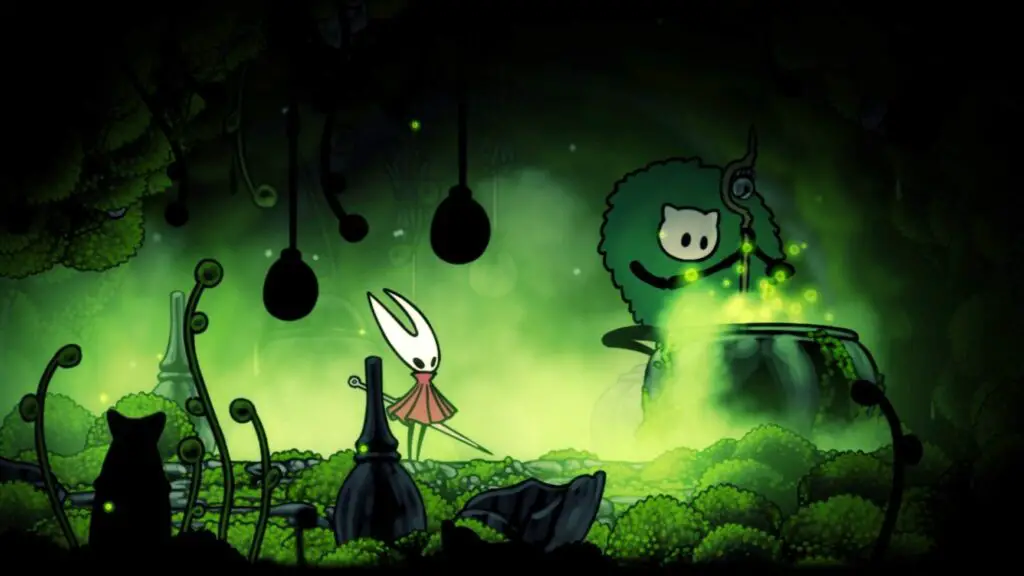
This is a metroidvania through and through. Yet, to truly grasp what makes Silksong special, one must be alert to the minor details—a hallmark of insightful tech storytelling. In one area, tiny brown bugs diligently carry away the corpses of slain enemies, a detail only noticeable if you pause and observe. The music is expertly crafted, shifting from grandiose to plaintive as the situation demands, but Silksong truly excels in its sound design. The crisp clink of Hornet’s sword against an impenetrable wall or the distant, foreboding rumblings in Hunter’s March imbue the world with a sense of life and tactility that few studios can achieve on a 2D plane. This meticulous attention to sensory detail is a testament to Team Cherry’s dedication.
This is an unusually lavish game, even by the standards of modern sidescrolling platformers. Spend a moment in any given room, appreciate the bespoke detail, and truly listen. The truly impressive aspect of Silksong, which Digital Tech Explorer values in its product analyses, is its sensorial richness. To fully experience it, play it on the biggest screen you possess, with the best speakers available. Do not play it at barely audible volume on a handheld; it simply won’t do it justice. This level of polish makes a title like the recent Prince of Persia: The Lost Crown feel like a Roblox experience in comparison.
Still, a few things do annoy me. I’m not fond of the sidequests, or “wishes,” so far. They typically involve Hornet collecting a certain amount of items, and the inclusion of a sidequest notice board feels surprisingly out of place, almost like something from an MMO. Furthermore, I’m not keen on being suddenly trapped in a room to fend off waves of enemies. These sequences occur much more frequently than in Hollow Knight and can become monotonous. While the combat itself is fine, it truly needs the spectacle of a boss battle or the momentum of exploration to keep it engaging. I can’t help but inwardly groan every time two metal gates slam shut in a square room, forcing me to fight more of the same enemies I just dispatched in the previous hallway.
These complaints are relatively minor given my overall infatuation with Silksong. However, it reinforces my sense that living up to the monumental pre-release hype is, for this gorgeous but ultimately orthodox platforming adventure, an impossible feat—and that’s not a criticism, but simply the nature of hype itself. This medium’s timeworn urge towards larger scale, new and innovative game systems, and envelope-pushing graphics technology—phenomena that are arguably impacting the blockbuster segment of the industry—doesn’t seem to touch Team Cherry at all. The truth is, they are simply exceptionally good at crafting their unique bug games. And they are exceptionally good at making me, the player, feel like a minor genius for indulging my curiosity.
Thanks to the immense success of their previous title, Team Cherry has had years to meticulously fill this newer game with exquisite minor detail. Just temper your expectations: don’t come to Silksong expecting a reinvention or even something dramatically different from Hollow Knight, but rather an engaging and insightful continuation of a beloved universe.
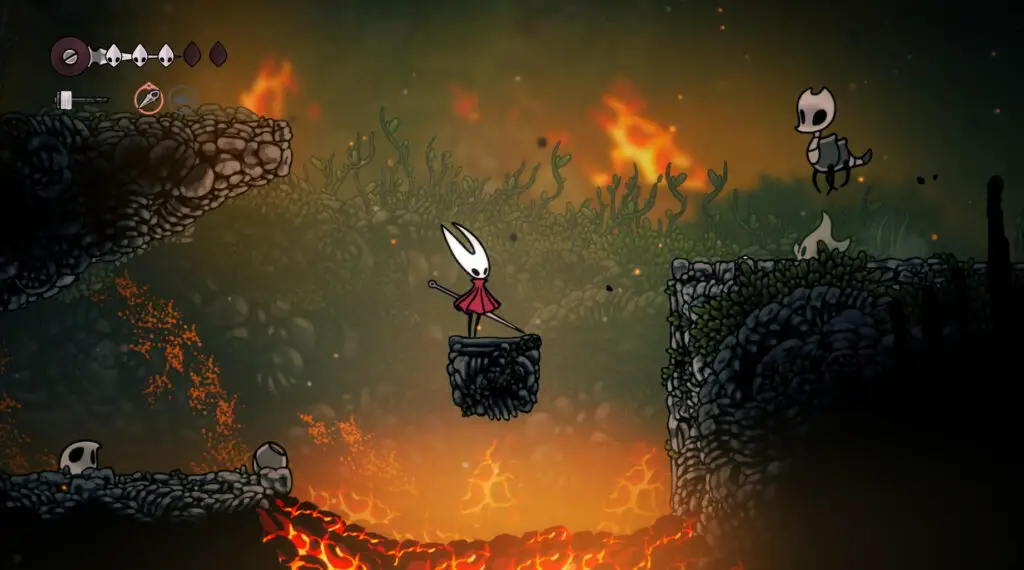
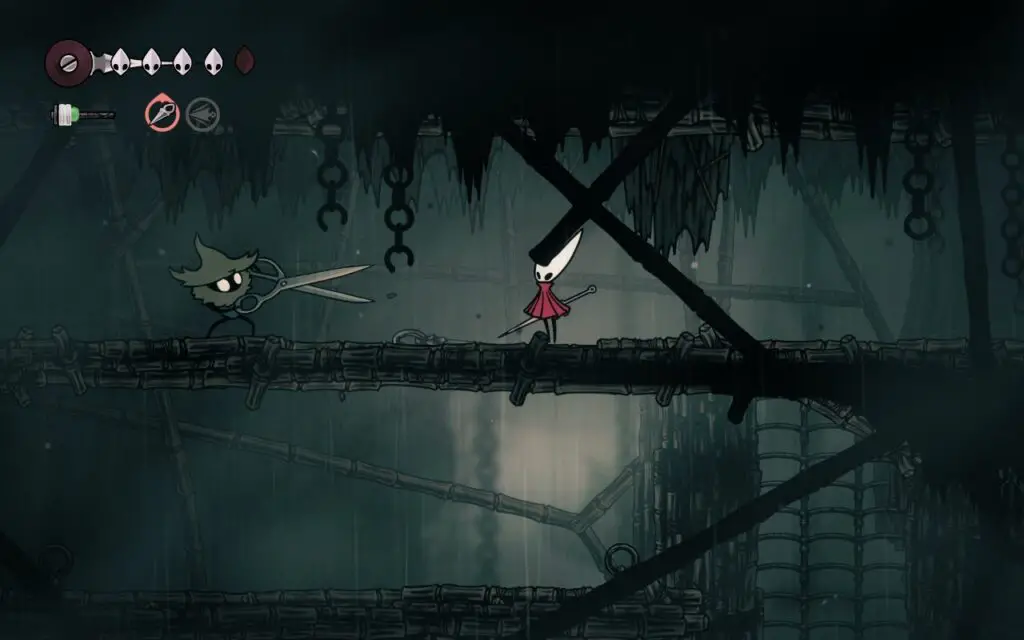
The bosses so far don’t really rock the boat in terms of design: it’s still a matter of watching, learning and then perfecting a series of attack phases.
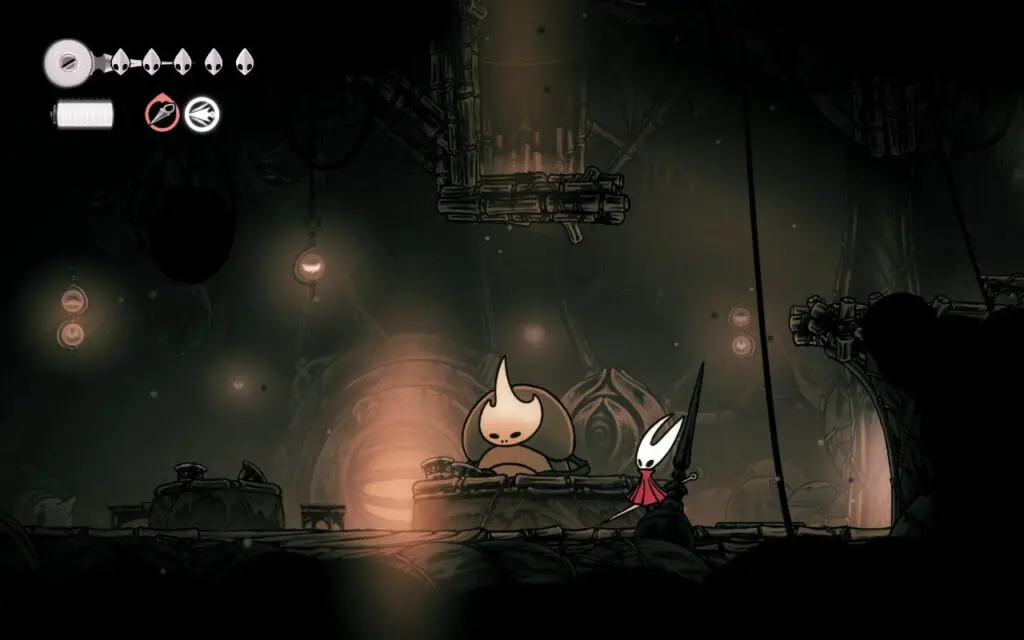
The combat is fine, but it needs the spectacle of a boss battle, or the momentum of exploration, to carry it through.

Silksong guide: Home of all our bug-battling tips
Silksong flea locations: Gather the lost fleas
Silksong simple key locations: Where to use it
Silksong Hokers location: Support the Seamstress
Hunter’s March bench: Yes there is one